Key Takeaways
- Perform a full walkaround inspection before each drive, checking tires, lights, and ensuring all components are secure.
- Properly manage weight and load distribution, staying within RV weight limits and securing items to prevent shifting.
- Plan routes in advance, using RV-friendly navigation to account for height, weight, and road restrictions.
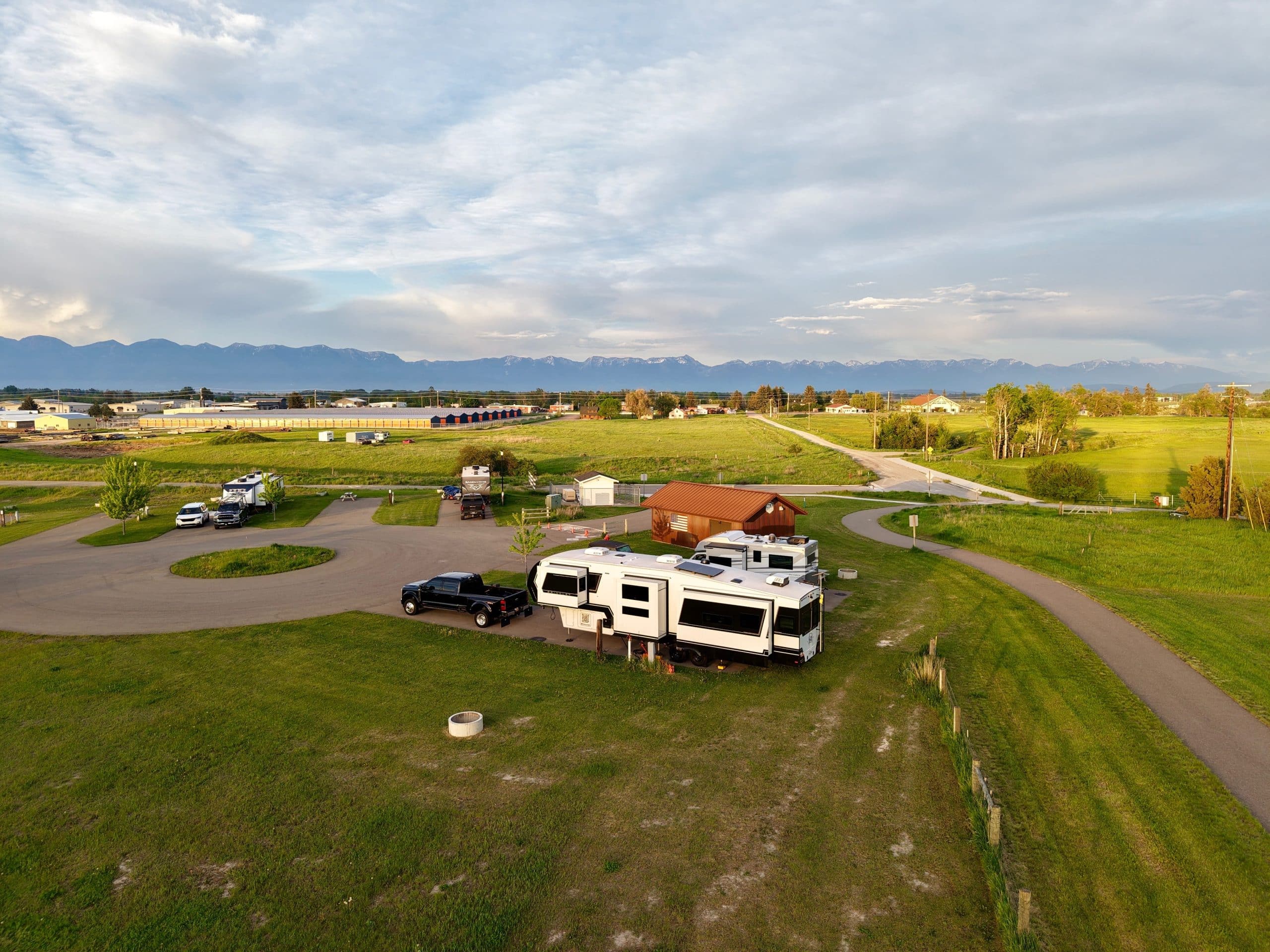
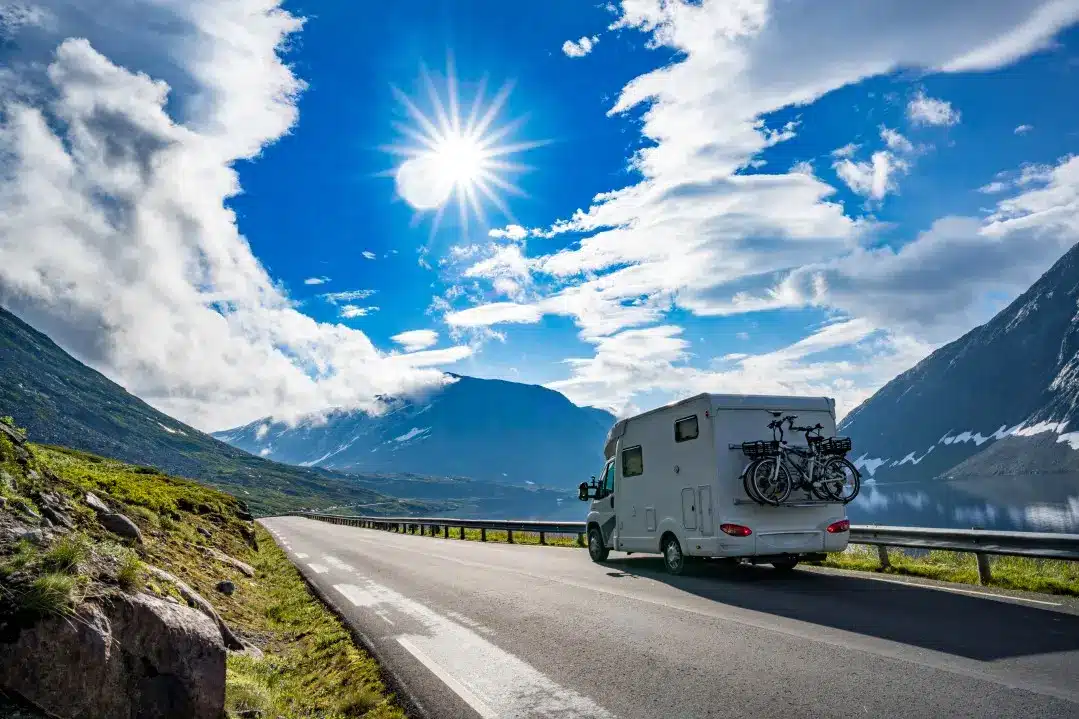
RV driving safety should be your first priority. You’re dealing with more weight, more height, wider turns, and a lot less room for error. It’s not something to be afraid of, but it is something to take seriously.
The good news is, staying safe on the road isn’t about being an expert driver. It comes down to having a simple system you follow every time you travel.
In this guide, we’re breaking down how to stay safe before you drive, while you’re on the road, and after you arrive, so you can avoid common mistakes, protect your RV, and travel with a lot more confidence.
Before You Drive: Set Yourself Up for a Safe Trip
Do a Full Walkaround Inspection
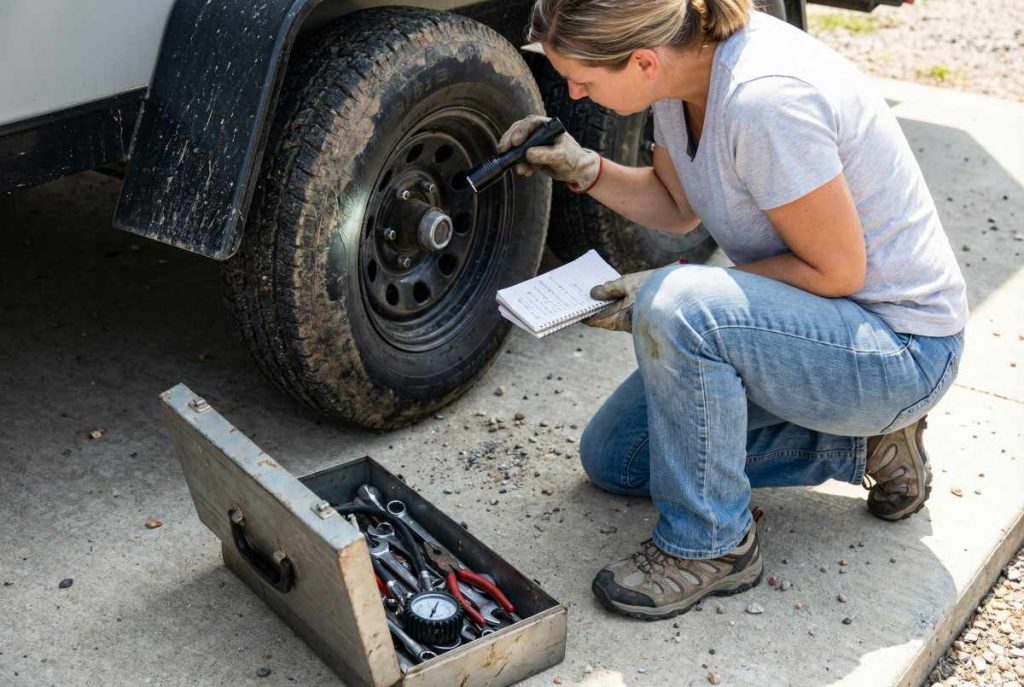
Before every drive, take a few minutes to walk around your RV. This is one of the simplest habits that can prevent some of the most expensive (and dangerous) problems on the road.
Check your tires for proper inflation, visible damage, or uneven wear. Look at your lights and signals to make sure everything is working. Confirm that your slides, awnings, and steps are fully retracted, and that all storage compartments are securely closed.
It might feel repetitive, especially on travel days when you’re ready to get moving. But this quick check can catch things like a slow leak, an open compartment, or a forgotten step before it turns into a much bigger issue.
Check Your Weight & Load Distribution
One of the most overlooked safety factors in RV travel is weight. Every RV has a maximum carrying capacity, and exceeding it can affect your braking, handling, and tire safety.
Make sure you’re staying within your RV’s weight limits and that your load is distributed evenly. Too much weight on one side or in one area can cause instability, especially at higher speeds or in windy conditions.
Inside your RV, secure anything that could shift while driving. Cabinets popping open or items sliding around aren’t just annoying; they can throw off weight balance and create hazards once you arrive.
Taking a few extra minutes to manage your weight properly helps your RV handle the way it’s supposed to and reduces unnecessary stress on your tires and suspension.
Plan Your Route (Not Just Your Destination)
Getting from point A to point B in an RV isn’t always as simple as following your regular GPS. Low bridges, narrow roads, tight turns, and restricted routes can turn a simple drive into a stressful situation fast.
Before you head out, map your route with RV-friendly navigation tools that account for your height, weight, and length. Pay attention to things like bridge clearances, road restrictions, and construction zones.
It’s also worth planning your fuel stops and rest breaks in advance. Not every gas station is easy to access with a large rig, and the last thing you want is to be forced into a tight space with limited options.
A little planning up front helps you avoid surprises and keeps your drive smooth, predictable, and a lot safer.
Adjust Mirrors & Cameras
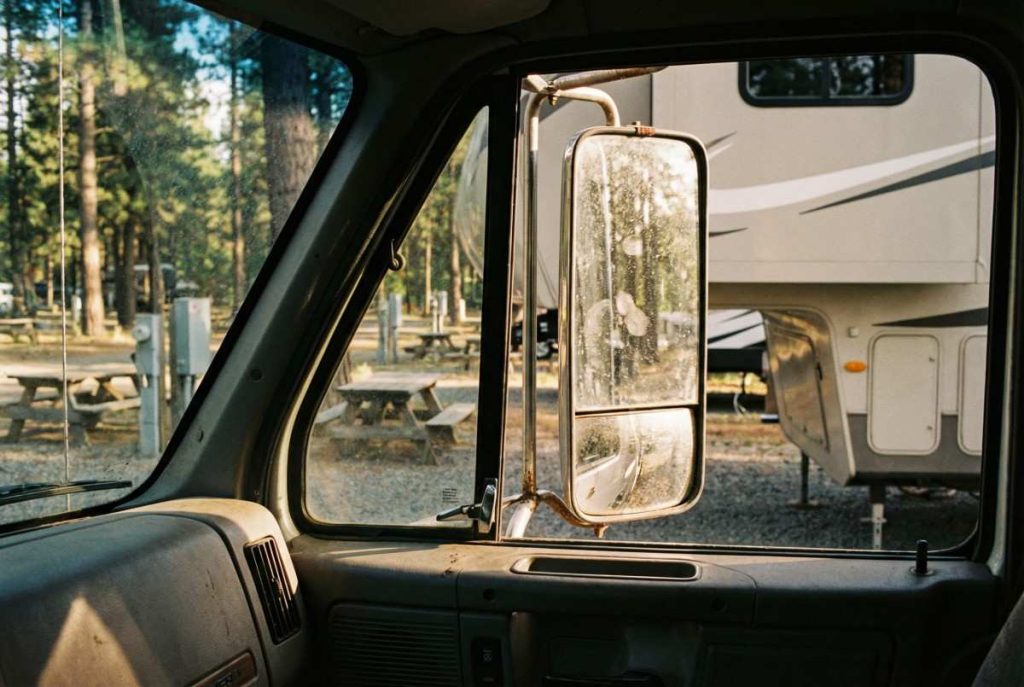
Your visibility is one of your biggest safety tools when driving an RV. Large blind spots come with the territory, so taking a minute to properly adjust your mirrors and cameras makes a big difference.
Set your side mirrors so you can clearly see along both sides of your RV and slightly beyond it. You want to minimize blind spots as much as possible, especially for lane changes and merging.
If your RV is equipped with backup or side cameras, make sure they’re clean, working properly, and positioned correctly before you hit the road.
This quick setup gives you better awareness of your surroundings and helps you make safer, more confident decisions while driving.
Know Your RV’s Dimensions
Knowing your RV’s exact dimensions is critical for safe travel. Guessing your height or length is one of the fastest ways to end up in a bad situation.
You should know your height, length, and weight at all times, especially your height with any rooftop additions, such as AC units or antennas. This matters when approaching bridges, overhangs, fuel stations, and campground entrances.
A common best practice is to write your RV height on a visible spot near your dashboard so it’s always top of mind while driving.
When you know your dimensions, you can make quick, confident decisions on the road rather than second-guess or risk costly mistakes.
While Driving: Staying Safe on the Road
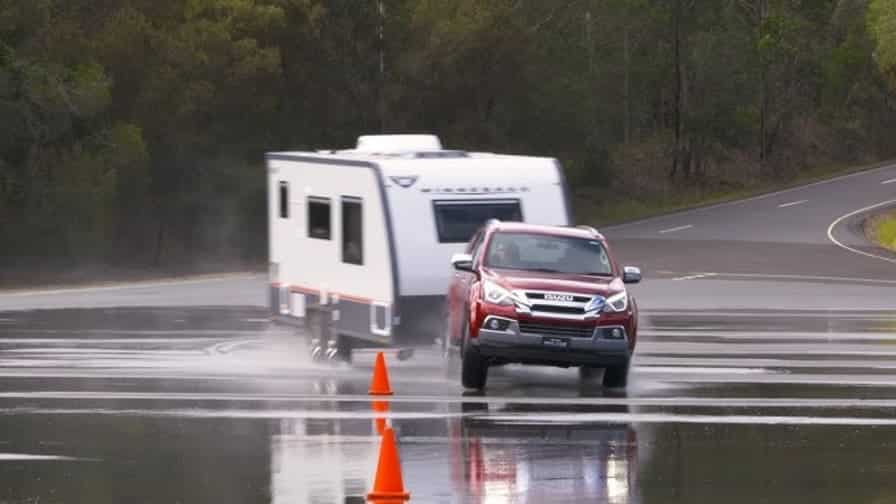
Drive Slower Than You Think You Need To
Speed feels different in an RV. What feels comfortable in a car can be unsafe when you’re driving something much heavier with a longer stopping distance.
Slowing down gives you more time to react, helps you stay in control, and reduces stress on your RV. It also makes a big difference when dealing with curves, traffic, or unexpected stops.
A good rule of thumb is simple: if you’re unsure, slow down. Getting there a little later is always better than pushing your limits and risking a mistake.
Master Lane Positioning & Turns
Driving an RV requires greater awareness of your position on the road, especially when making turns.
Stay centered in your lane and give yourself extra space whenever possible. Your RV is wider than a standard vehicle, and small corrections can make a big difference over time.
When making turns, especially right turns, take them wider than you normally would. Your rear wheels don’t follow the same path as your front wheels, which means cutting a turn too tight can lead to hitting curbs, signs, or other vehicles.
Also, be mindful of rear swing; the back end of your RV can swing out in the opposite direction when turning. This is something many new RVers don’t expect and can catch people off guard.
Taking turns slower and wider helps you stay in control and avoid unnecessary damage.
Keep a Safe Following Distance
Following too closely is one of the most common mistakes RV drivers make. With the added weight of an RV, it takes much longer to come to a complete stop.
Give yourself more space than you think you need. This gives you time to react to sudden braking, traffic slowdowns, or unexpected obstacles.
A simple rule is to keep several seconds of distance between you and the vehicle ahead, and increase that gap in heavy traffic, bad weather, or downhill driving.
More space means more time to react, and that time is what keeps you out of trouble.
Be Aware of Wind & Weather
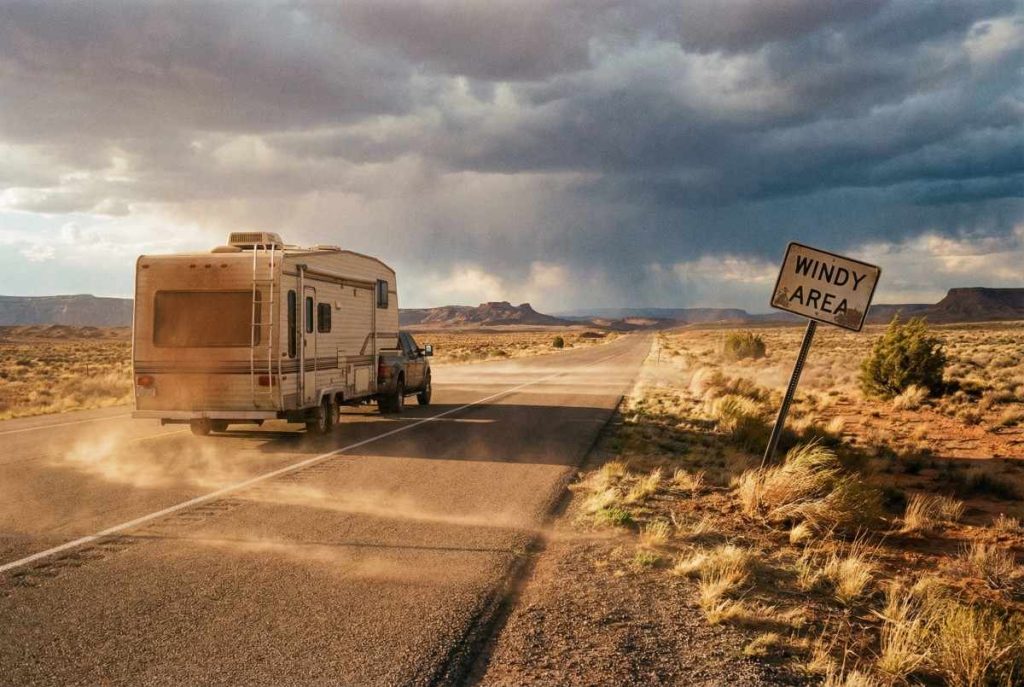
Wind and weather can have a much bigger impact on an RV than most people expect. Strong crosswinds can push your rig, and passing semi-trucks can create sudden gusts that affect your stability.
Rain reduces traction and visibility, making it harder to control your RV and increasing your stopping distance. Even light wind or wet roads can feel amplified when you’re driving something this large.
If conditions start to feel uncomfortable, trust that instinct. Slowing down helps, but sometimes the safest move is to pull over and wait it out.
Driving an RV isn’t about pushing through tough conditions; it’s about knowing when to keep going and when to stop.
Use a Spotter When Needed
There are situations where visibility alone isn’t enough; in such cases, having a spotter can make all the difference.
Backing into campsites, navigating tight fuel stations, or maneuvering in crowded areas are all times when a second set of eyes helps you avoid mistakes.
If you’re traveling with someone, have them guide you from outside the RV where they can clearly see your surroundings. Use simple, agreed-upon hand signals or communication to avoid confusion.
Even experienced RVers use spotters. It’s not about skill, it’s about avoiding unnecessary risks when space is tight.
Stay Focused & Avoid Fatigue
Driving an RV takes more mental energy than most people expect. You’re constantly aware of your size, your surroundings, and how your rig is handling.
Long driving days can lead to fatigue, and fatigue slows your reaction time and decision-making. That’s when small mistakes start to happen.
Plan shorter driving days when possible, take breaks to reset, and switch drivers if you’re able. If you start feeling tired or unfocused, it’s a sign to stop, not push through.
Staying alert behind the wheel is one of the most important ways to stay safe.
After You Arrive: Safety Doesn’t Stop When You Park
Do a Post-Drive Walkaround
Once you’re parked, take a few minutes to walk around your RV again. Just like your pre-trip check, this helps you catch any issues that may arise during the drive.
Look at your tires for signs of wear, heat, or damage. Check underneath for any leaks or hanging components. Pay attention to anything that looks or feels different than before you left.
Catching small issues early can prevent them from turning into bigger, more expensive problems on your next drive.
Secure Your RV Properly
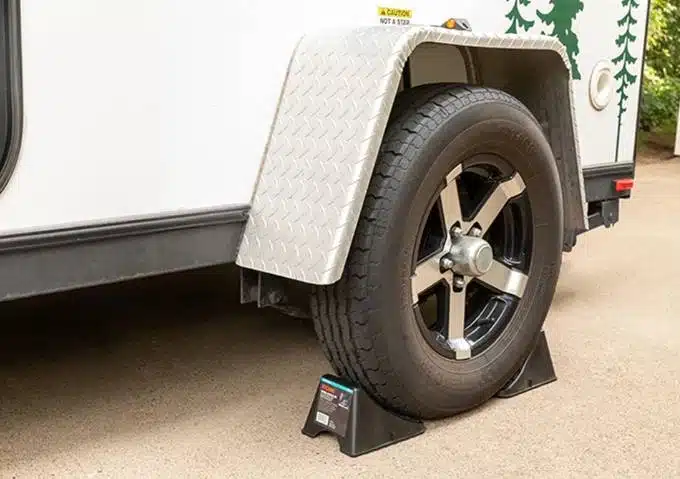
Once you’re in your spot, take the time to properly secure your RV before settling in.
Start by setting your parking brake and placing wheel chocks to prevent any movement. From there, level your RV using your leveling system or blocks, and lower your stabilizers if applicable.
Even on sites that look level, small shifts can happen. Taking these steps helps keep your RV stable, protects your equipment, and makes your setup safer overall.
It only takes a few extra minutes, but it makes a big difference in both safety and comfort.
Check Hookups Safely
Hooking up your RV is routine, but it’s also an area where small mistakes can cause big problems.
Start with your electrical connection, make sure you’re using the correct plug, and that the breaker is off before connecting. This helps prevent power surges and protects your RV’s system.
For water, always use a pressure regulator to avoid damaging your plumbing. And when connecting your sewer hose, double-check that everything is secure before opening any valves.
Taking a few extra moments to connect things properly helps you avoid leaks, damage, and unnecessary headaches during your stay.
Review the Drive
After you’re set up, take a moment to think back on how the drive went.
Did anything feel off with your handling, braking, or steering? Did you hear any unusual sounds or notice anything different while driving?
These small observations can help you catch issues early, before they turn into bigger problems on your next trip.
Over time, this habit also helps you become more aware and confident as an RV driver.
Emergency Preparedness: Be Ready for the Unexpected
Must-Have Safety Gear
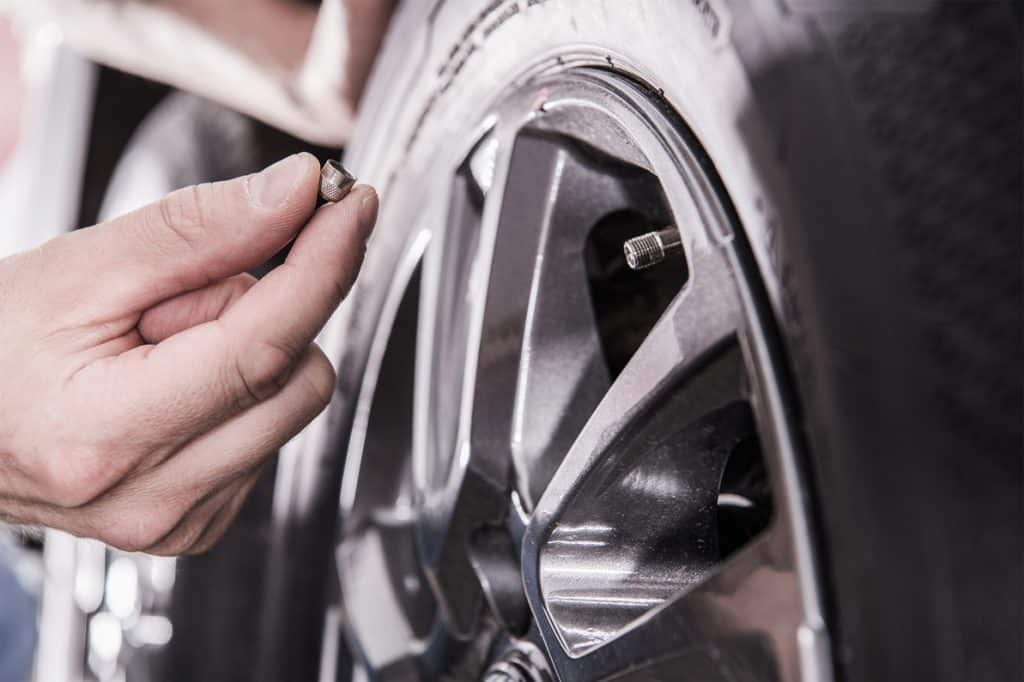
Even with the best preparation, things can still go wrong. Having the right gear on hand can make a stressful situation much easier to handle.
At a minimum, your RV should have a tire pressure monitoring system (TPMS) to alert you to issues before they become dangerous, a fire extinguisher, and a first aid kit.
It’s also smart to carry a basic roadside emergency kit with items like reflective triangles, a flashlight, and essential tools.
You may never need to use these, but if you do, having them readily available can make all the difference.
What to Do If Something Goes Wrong
Even with preparation, issues can happen on the road. The key is to stay calm and know how to respond safely.
If you experience a tire blowout, avoid slamming on the brakes. Keep a firm grip on the wheel, gradually slow down, and safely guide your RV off the road.
For engine issues or warning lights, don’t ignore them. Reduce speed and find a safe place to pull over as soon as possible.
When pulling over, choose a location with plenty of space, like a wide shoulder or exit ramp, and turn on your hazard lights to alert other drivers.
The goal is always the same: stay in control, get to a safe location, and assess the situation before taking your next step.
Roadside Assistance Matters
Standard roadside assistance doesn’t always cover RVs, and when something goes wrong, that matters.
RV-specific roadside assistance plans are designed for larger vehicles and can help with things like towing, tire changes, lockouts, and mechanical issues. Without the right coverage, you could be stuck trying to find help on your own or facing expensive out-of-pocket costs.
It’s one of those things you hope you never need, but having it in place gives you peace of mind every time you hit the road.
Common RV Driving Mistakes to Avoid
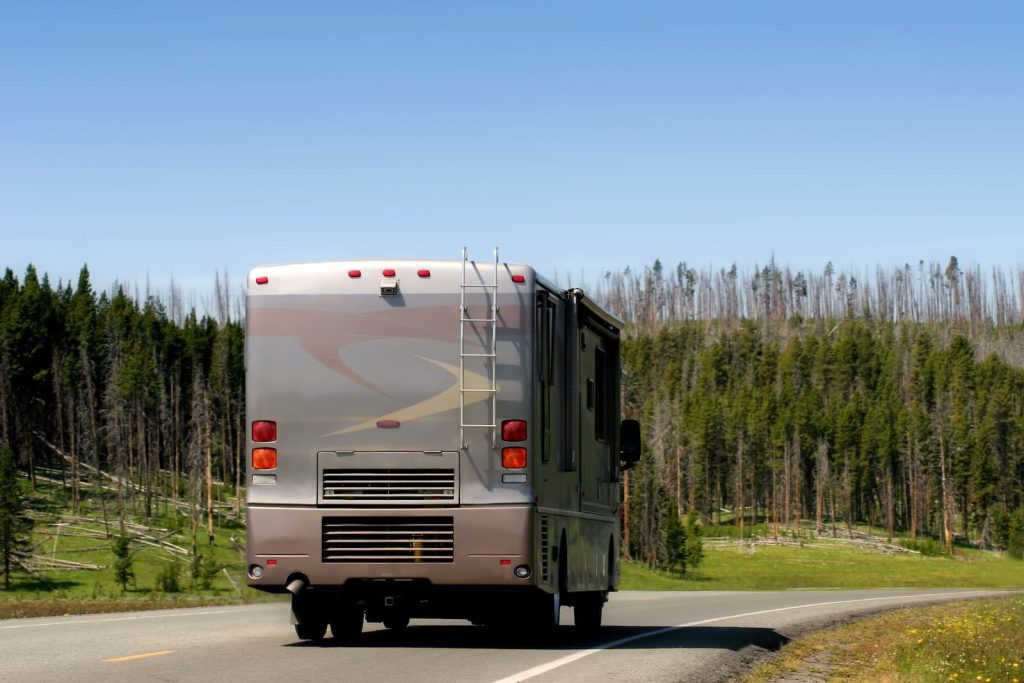
Even experienced RVers make mistakes. The goal isn’t perfection; it’s being aware of the most common issues so you can avoid them.
One of the biggest mistakes is driving too fast for conditions. Speed reduces your reaction time and makes every situation harder to manage.
Another common issue is ignoring height clearance. Not knowing your exact height or assuming you’ll fit can lead to serious (and expensive) damage.
Poor planning is another one; not checking your route ahead of time can put you on roads that aren’t RV-friendly.
Overloading your RV or uneven weight distribution can affect handling and increase the risk of tire problems.
And finally, skipping your pre-trip inspections. It’s easy to overlook when you’re eager to get moving, but those few minutes can prevent major issues.
Avoiding these mistakes comes down to building simple habits and sticking to them every time you travel.
Frequently Asked Questions About RV Driving Safety
Is driving an RV hard for beginners?
Driving an RV feels different at first, but most people adjust quickly. The key is to take it slow, stay aware of your size and surroundings, and build confidence with practice.
What is the safest speed to drive an RV?
The safest speed depends on road and weather conditions, but in general, slower is better. Many RVers stay in the right lane and drive below highway speed limits to maintain better control.
How do I know if my RV is too heavy?
Check your RV’s weight ratings (GVWR) and compare them to your actual loaded weight. Many truck stops and RV centers have scales you can use to verify you’re within safe limits.
Do I need a special license to drive an RV?
In most states, a standard driver’s license is enough for personal RV use. However, requirements can vary depending on the size and weight of your RV, so it’s important to check your state’s rules.
What should I do if I feel unsafe driving in bad weather?
Slow down and, if needed, pull over to a safe location and wait it out. There’s no pressure to keep driving; conditions like high winds or heavy rain can quickly make RV travel unsafe.
Is it safe to drive an RV long distances in one day?
It’s possible, but not always recommended. Driving an RV is more tiring than driving a car, so shorter travel days with breaks are safer and more manageable.
What’s the biggest mistake new RV drivers make?
Driving too fast and underestimating stopping distance are two of the most common mistakes. Taking your time and giving yourself space makes a big difference.
How We Review: At Time to RV, we only recommend products and places we have personally used or visited. Our reviews are based on real-life testing during our full-time travels. We never accept payment for a positive review; our goal is to give you the honest truth so you can hit the road with confidence.