Key Takeaways
- A third-party RV inspection is crucial before buying to uncover potential issues, protect your investment, and provide negotiating power.
- New and used RVs can have hidden problems like water damage, roof issues, and electrical faults, which inspections can identify.
- Annual RV inspections are essential to catch small issues early, preventing them from becoming costly repairs.
One of the Smartest Decisions You Can Make
Buying an RV is exciting. Whether it’s brand new off the lot or a used rig that feels like “the one,” it’s easy to focus on the layout, the features, and the lifestyle you’re about to step into.
The question pops into your head: Do I need a third party inspection?
What most people don’t think about is what they can’t see.
Behind the walls, under the roof, and inside the systems are the things that can turn your dream RV into a very expensive problem. And the truth is, both new and used RVs can come with issues that aren’t obvious during a walkthrough.
A third-party inspection isn’t just an extra step. It’s a way to protect your money, avoid major surprises, and make a confident decision before you buy… and even after you’ve been on the road for a while.
What Is a Third-Party RV Inspection?
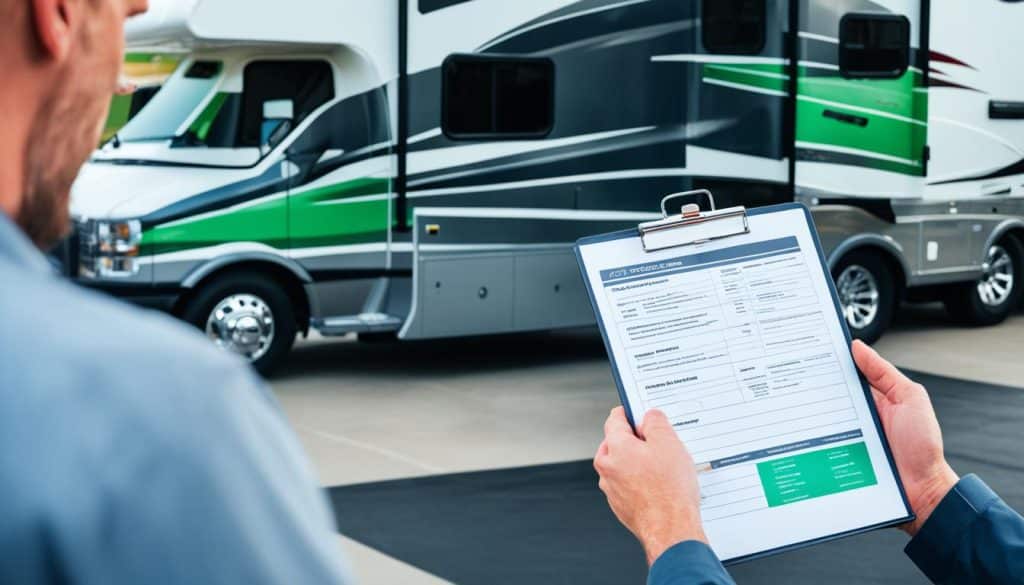
A third-party RV inspection is a detailed evaluation of an RV done by an independent inspector who has no connection to the dealership or seller.
That last part matters.
Dealership walkthroughs are designed to show you how things work. They are not designed to uncover problems. An independent inspector is there for one reason only: to find anything that could cost you money, raise safety concerns, or become a bigger issue later.
During an inspection, they’ll go far beyond a quick check. They’re looking at the roof, seals, electrical systems, plumbing, appliances, structure, and more. Things most buyers either don’t know to check or don’t have the tools or experience to evaluate properly.
In short, they’re looking at the RV from a completely different perspective than the seller. Not “does it look good,” but “is there anything here that could become a problem?”
Why You Should Always Get an Inspection Before Buying an RV
New Doesn’t Mean Problem-Free
It’s easy to assume that buying a brand-new RV means you’re in the clear. But RVs are built quickly, often on tight production timelines, and things get missed.
Loose fittings, poorly sealed roofs, electrical issues, or components that weren’t installed correctly are more common than most people realize. These aren’t always obvious during a walkthrough, but they can show up fast once you hit the road.
Used RVs Can Hide Expensive Surprises
With used RVs, the risk shifts from factory mistakes to wear, damage, or neglect.
Water damage is the big one. It can be hidden behind walls or under flooring, going unnoticed until it becomes a major repair. The same goes for aging seals, roof issues, or patched-over problems that look fine at first glance.
An inspection helps uncover what the seller either doesn’t know… or doesn’t mention.
It Gives You Negotiating Power
An inspection report isn’t just information. It’s leverage.
If issues are found, you can:
- Ask for repairs before purchase
- Negotiate the price down
- Or walk away entirely
Without an inspection, you’re negotiating blind.
Peace of Mind Before a Big Purchase
For most people, an RV is a significant investment. Having a professional go through it gives you clarity on what you’re actually buying.
Instead of hoping everything is fine, you know its condition and what to expect.
The Most Common (and Costly) Issues Inspections Catch
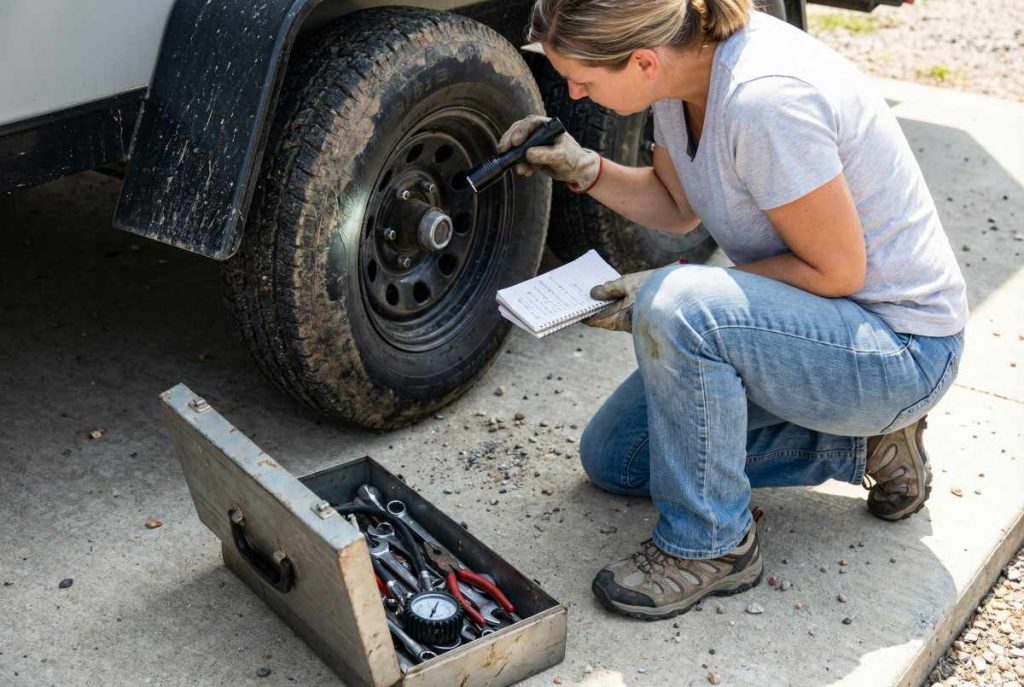
One of the biggest advantages of an inspection is catching problems early, before they turn into expensive repairs or trip-ending headaches.
Here are some of the most common issues inspectors find:
Water Leaks and Hidden Damage
Water is the number one enemy of any RV.
Even a small leak can lead to soft floors, mold, or structural damage over time. The tricky part is that water damage isn’t always obvious. It can sit behind walls or under surfaces long before you see any signs.
Roof Problems
The roof takes the most exposure and is one of the most overlooked areas by buyers.
Cracked sealant, worn materials, or small openings around vents and seams can all lead to leaks. These issues are often easy to miss unless you know exactly what to look for.
Electrical Issues
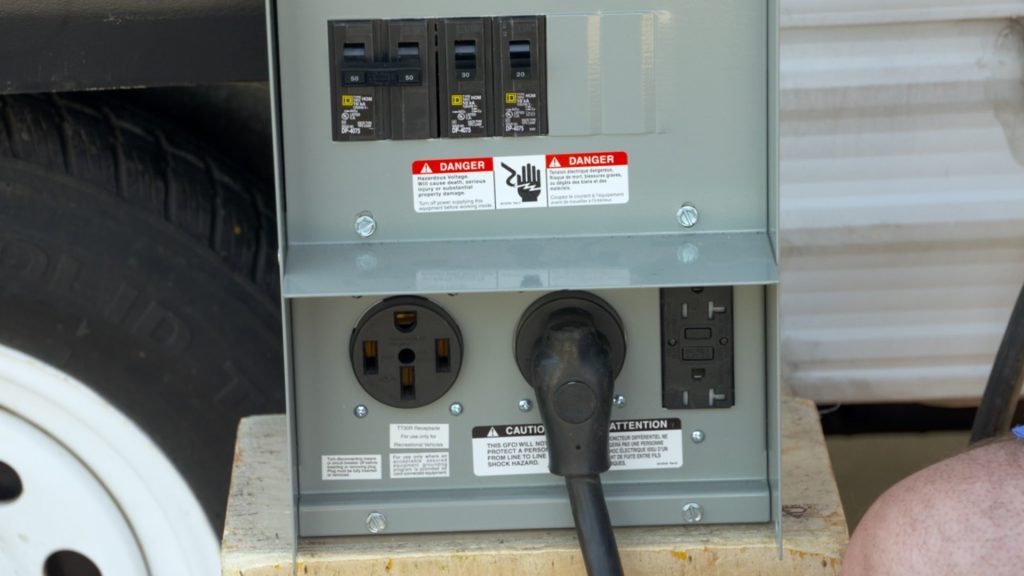
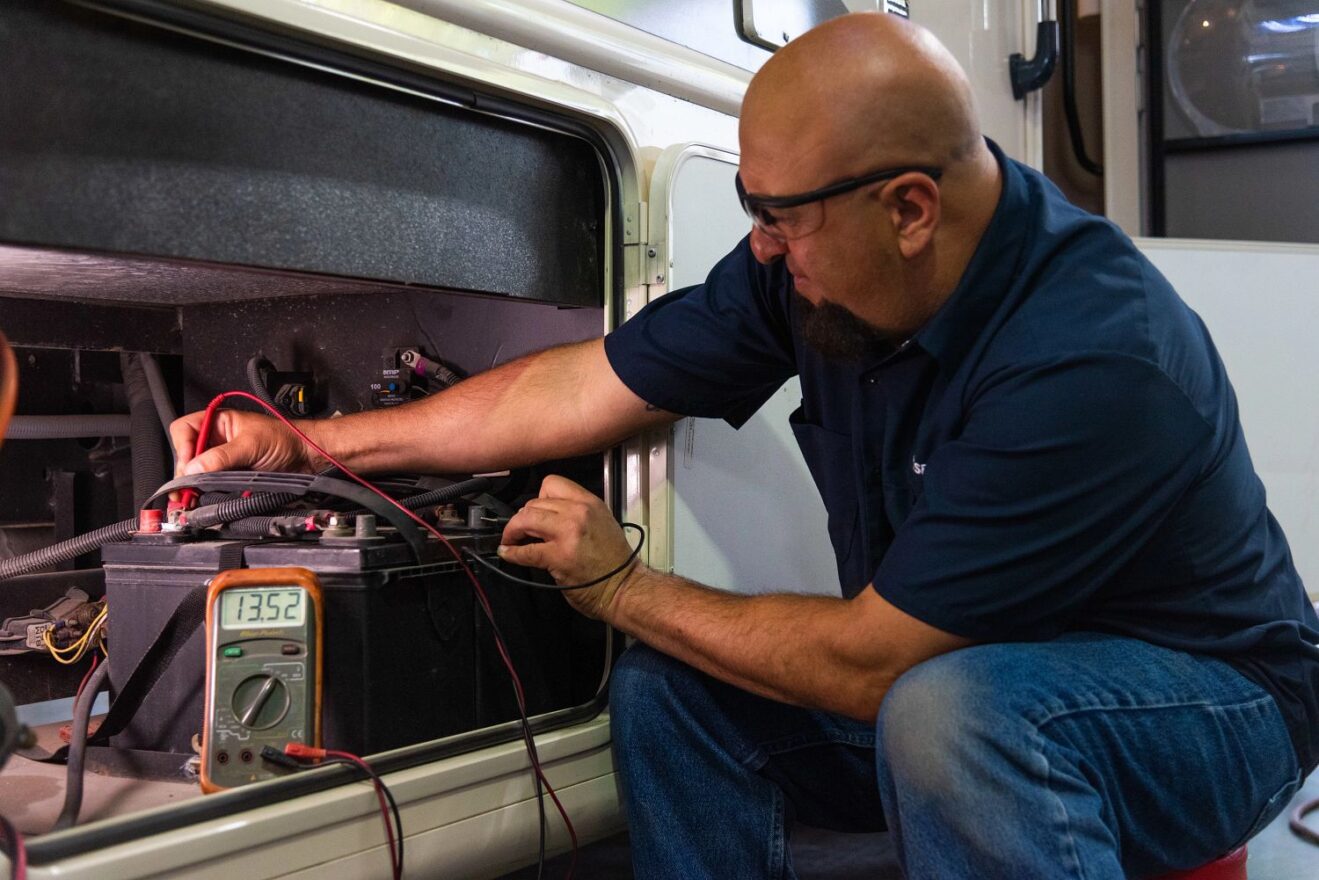
From loose connections to improperly wired components, electrical problems can range from inconvenient to dangerous.
Inspectors check systems under load, not just whether something turns on. That’s a big difference from a basic walkthrough.
Plumbing Leaks
Small leaks around fittings, tanks, or connections can go unnoticed until they cause damage.
Left unchecked, these can lead to water damage, pressure issues, or even mold.
Slide-Out and Seal Failures
Slide-outs are great for space, but they’re also one of the most failure-prone areas.
Worn seals, alignment issues, or mechanical problems can lead to leaks or costly repairs.
Structural or Frame Concerns
These are less common, but when they show up, they matter.
Things like frame damage, sagging floors, or signs of stress can impact safety and long-term usability.
Most of these issues don’t jump out during a quick walkthrough. But they’re exactly the kind of problems that can cost thousands if they’re missed.
Why Annual RV Inspections Are Just as Important
Most people think inspections are just for before you buy. But some of the biggest problems happen after you already own the RV.
Small Problems Turn Into Expensive Repairs Fast
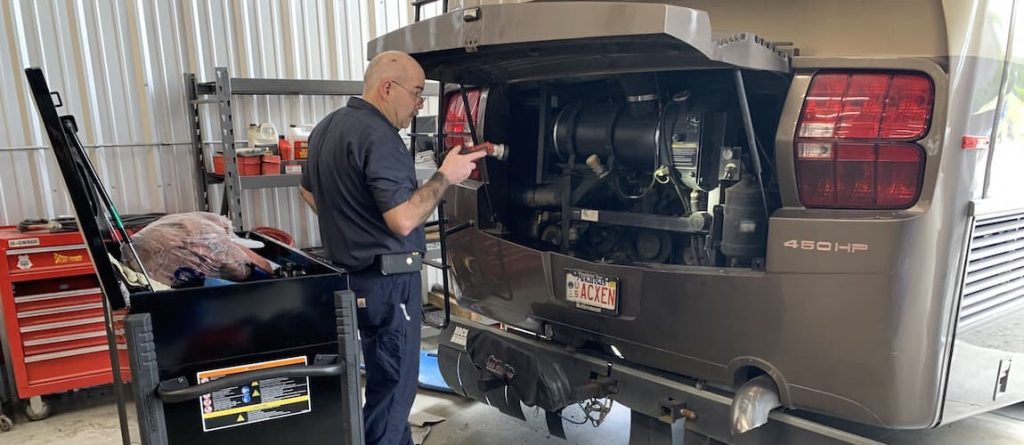
An RV is constantly exposed to weather, movement, and wear and tear.
Seals dry out. Screws loosen. Materials expand and contract. What starts as a small issue, such as a tiny roof gap or a minor leak, can turn into major damage if left unnoticed.
A yearly inspection helps catch those issues early, when they’re still simple (and much cheaper) to fix.
Full-Time vs Part-Time RVers (Different Risks)
If you’re full-time, your RV is in constant use. Systems, slides, plumbing, and appliances are all getting more wear.
If you’re part-time, your RV sits for long periods. That creates a different set of problems, like dried-out seals, battery issues, or unnoticed leaks.
Either way, things can go wrong. Just in different ways.
Protecting Your Investment Long-Term
RVs aren’t small purchases, and they don’t hold value well if they’re not maintained.
Staying ahead of issues helps you:
- Avoid major repair costs
- Keep everything functioning properly
- Maintain better resale value down the line
A yearly inspection isn’t about expecting something to be wrong. It’s about making sure nothing gets to that point.
Real-Life Scenarios: What Can Go Wrong Without an Inspection
It’s one thing to talk about “potential issues,” but this is where it actually hits.
These are the kinds of situations RVers run into all the time when inspections get skipped:
The “Everything Looked Fine” Purchase
You walk through the RV, everything works, it looks clean, and you move forward.
A few months later, you notice a soft spot in the floor. Then a smell. Then you realize there’s been slow water damage from a small roof leak that’s been there long before you bought it.
Now you’re dealing with repairs that cost thousands… on something you thought was in great condition.
The Roof Issue That Turned Into Interior Damage
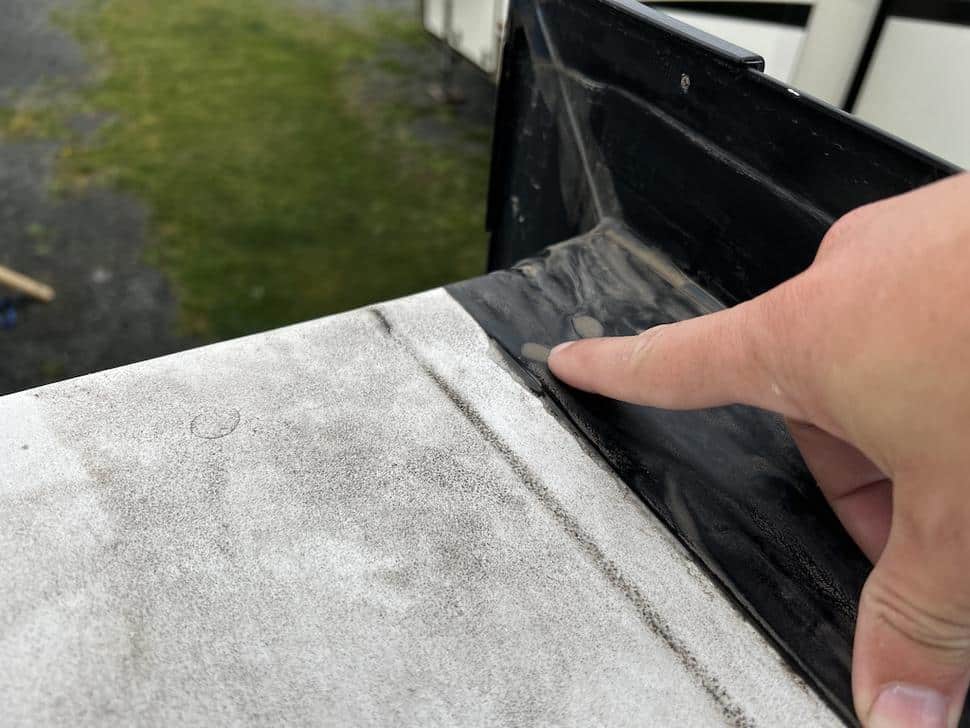
A small crack in the sealant around a vent doesn’t seem like a big deal. You don’t even know it’s there.
After a few rainstorms, water starts getting in. By the time you notice, it’s already affected insulation, walls, or cabinetry.
What could have been a quick reseal turns into a much bigger repair.
The Electrical Problem That Shows Up on the Road
Everything powers on during your walkthrough, so it seems fine.
Then you get to your first campground and start running multiple systems. Suddenly, you’re dealing with tripped breakers, inconsistent power, or something that just isn’t working right.
These are the kinds of issues that only show up when systems are properly tested.
These situations aren’t rare. They’re common. And most of them could have been caught early with a proper inspection.
How Much Does a Third-Party RV Inspection Cost? (And Why It’s Worth It)
The cost of an RV inspection can vary depending on the rig’s size and the level of detail, but most fall between $250 and $1,500.
At first, that can feel like just another expense added to an already big purchase.
But when you compare it to what it can save you, the perspective shifts quickly.
A hidden roof issue, water damage, or electrical problem can easily cost thousands to repair. And in some cases, much more. An inspection can either help you avoid buying a problem altogether or give you the leverage to have those issues addressed before you take ownership.
Even for annual inspections, the cost is small compared to what you’re protecting. Catching a minor issue early is almost always cheaper than fixing major damage later.
It’s not really an added cost. It’s a way to reduce risk on one of the larger purchases you’ll make.
How to Find a Qualified RV Inspector
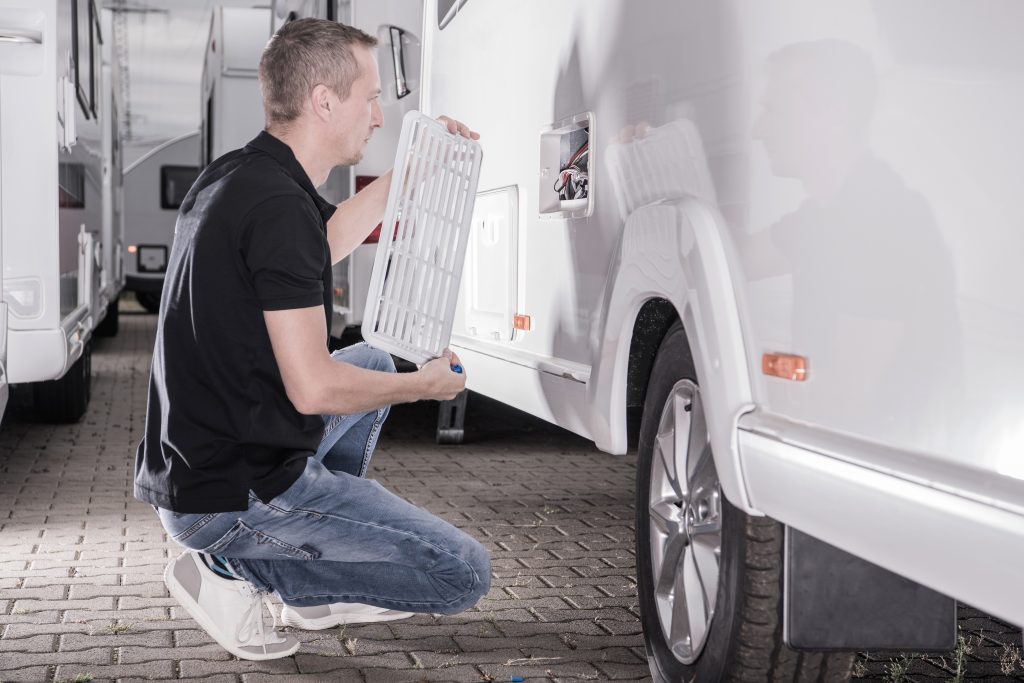
Not all inspectors are the same, so it’s worth taking a little time to find someone qualified.
One of the best places to start is with inspectors certified through the NRVIA. This ensures they’ve gone through proper training and follow a standardized inspection process.
Beyond certification, look for:
- Experience with the type of RV you’re buying (travel trailer, fifth wheel, motorhome)
- Reviews from other RV buyers
- Clear, detailed inspection reports (ask for a sample if possible)
It’s also a good idea to ask a few simple questions before hiring:
- What does your inspection include?
- How long does it take?
- Will I receive a full report with photos?
A good inspector should be transparent, thorough, and focused on helping you understand exactly what you’re buying.
The One Step Most RVers Regret Skipping
If there’s one thing that comes up again and again in the RV world, it’s this:
People rarely regret getting an inspection.
They do regret skipping one.
It’s not the most exciting part of buying or owning an RV, but it’s one of the smartest. It gives you clarity before you buy, and it helps you stay ahead of problems after you own it.
At the end of the day, an RV is more than just a purchase. It’s where you’ll spend your time, make memories, and in many cases, live.
Taking the extra step to have it properly inspected is a simple way to protect all of that.
Frequently Asked Questions About RV Inspections
Is an RV inspection really necessary for a brand-new RV?
Yes. New RVs can still have issues from the factory, including poor sealing, electrical problems, or improperly installed components. An inspection helps catch these early before they turn into bigger problems.
How long does an RV inspection take?
Most inspections take between 2 and 6 hours, depending on the size of the RV and the level of detail. Larger rigs, such as fifth wheels and motorhomes, typically take longer.
Can I do my own RV inspection instead?
You can do a basic check, but most buyers don’t have the tools or experience to catch hidden issues. A professional inspector knows where to look and how to properly test systems.
What happens if the inspection finds problems?
You have options. You can negotiate repairs, ask for a price reduction, or walk away from the deal entirely. That’s one of the biggest benefits of getting an inspection before buying.
How often should I get my RV inspected after I own it?
A yearly inspection is a good rule of thumb. It helps catch small issues early and keeps your RV in good condition over time.
Are RV inspections worth the cost?
In most cases, yes. The cost of an inspection is small compared to the potential cost of major repairs that could go unnoticed.
Do RV inspectors check for water damage?
Yes. Water damage is one of the main things inspectors look for. They check for soft spots, moisture, seal issues, and signs of past or current leaks.
How We Review: At Time to RV, we only recommend products and places we have personally used or visited. Our reviews are based on real-life testing during our full-time travels. We never accept payment for a positive review; our goal is to give you the honest truth so you can hit the road with confidence.