Key Takeaways
- RV tank sensors often fail due to buildup of residue like toilet paper, waste, soap scum, grease, and hard-water minerals on the sensor probes.
- Cleaning the sensors involves thoroughly dumping and rinsing the tank, then adding water, a small amount of water softener and dish soap, agitating the solution by driving or letting it sit, and dumping/rinsing again.
- Grey tank sensors are prone to soap, grease, and film buildup, requiring similar cleaning methods as black tanks but with a focus on grease management.
You dump your tanks.
You flush them.
You double-check everything.
Then you walk inside… and your monitor still says 2/3 full.
If you’re a full-time RVer like we are, this isn’t just annoying. It messes with your planning. You don’t know if you actually need to dump again, if something’s wrong, or if your RV is just messing with you.
Here’s the good news: most of the time, your RV tank sensors aren’t broken. We’ll go through how to fix RV Black and Grey Tank Sensors.
Black-and-grey tank sensors often give false readings due to buildup inside the tank. Toilet paper residue, waste, soap scum, grease, and hard-water minerals can coat the sensor probes, causing them to indicate liquid contact when none is present.
In this article, I’ll show you exactly:
- Why RV tank sensors stop reading correctly
- How to clean black and grey tank sensors properly
- What actually works (and what doesn’t)
- And when it might be more than just a cleaning issue
Why RV Black and Grey Tank Sensors Stop Reading Correctly
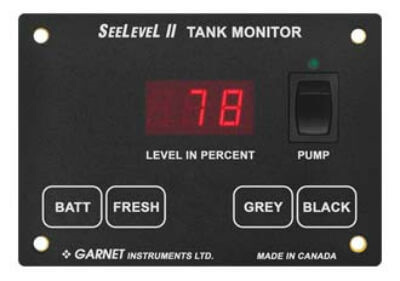
Most RV tank sensors are very simple. Inside your black-and-grey tanks are small metal probes at different heights. When liquid contacts a probe, it completes an electrical circuit and signals the monitor panel to indicate the tank’s level.
The problem? Those probes don’t distinguish between liquid and buildup.
What Causes False Readings
Black tank sensors usually get coated with:
- Toilet paper residue (even RV-safe brands)
- Solid waste buildup
- Sludge from not using enough water
Grey tank sensors get coated with:
- Soap scum
- Toothpaste residue
- Food grease from the kitchen sink
- Hard water minerals
When that residue sticks to the probes, it keeps the circuit connected. So your panel thinks the tank is still partially full, even after you’ve dumped it.
This issue is even more common for full-time RVers because:
- You’re using the tanks daily.
- You’re dumping more frequently.
- There’s simply more opportunity for buildup over time.
The good news is that in most cases, this is a cleaning problem, not a mechanical failure.
How to Clean RV Black Tank Sensors (That Actually Works)
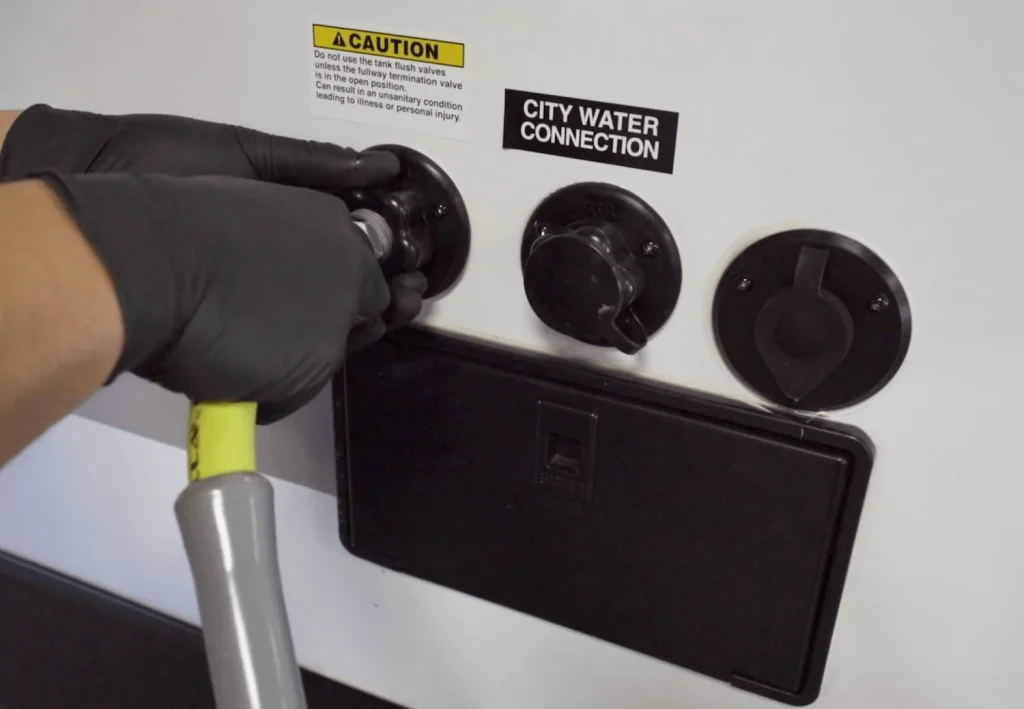
If your black tank sensor won’t read empty, the goal is simple: remove whatever is coating the probes.
Here’s the straightforward method that works for most full-time RVers.
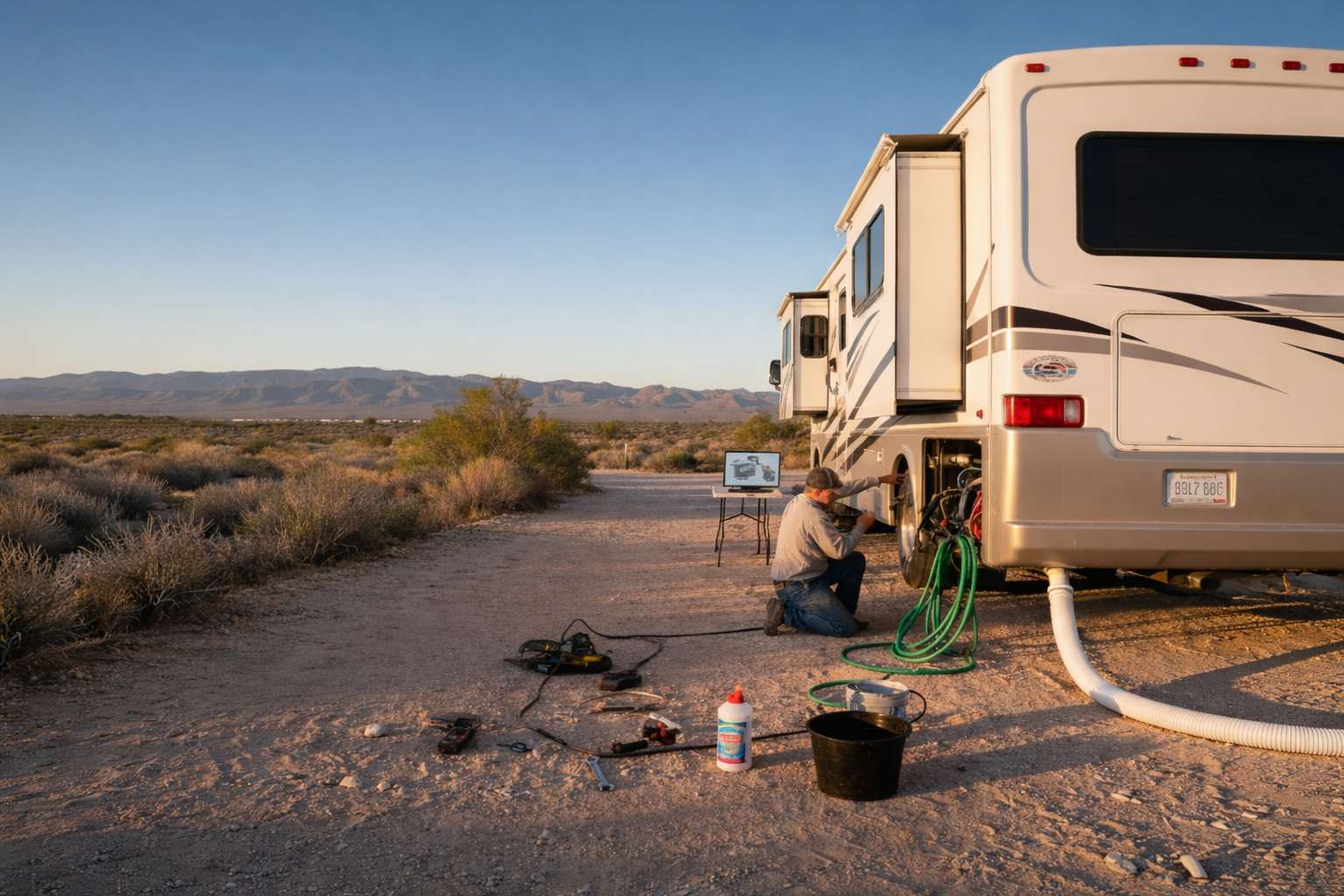
First, fully dump your black tank as you normally would. If your RV has a built-in black tank flush, use it thoroughly. Don’t rush this part. Let it rinse for several minutes to clear out as much loose waste as possible.
Next, close the valve and fill the tank about one-third to halfway full with fresh water. If you want to take it a step further, add a small amount of water softener and a small amount of dish soap.
The water softener helps break down mineral buildup, and the soap helps remove residue from the probes.
Now comes the part most people skip: agitation.
Drive your RV for a bit. Even a short drive helps the water circulate within the tank, scrubbing the walls and sensors. If you’re stationary for a while, let the solution sit overnight before dumping.
After that, dump the tank again and flush it one more time.
In many cases, this alone will fix false readings.
If it doesn’t, there are a couple of additional steps you can take, but start here. This method solves most sensor issues without buying expensive treatments.
How to Clean Grey Tank Sensors
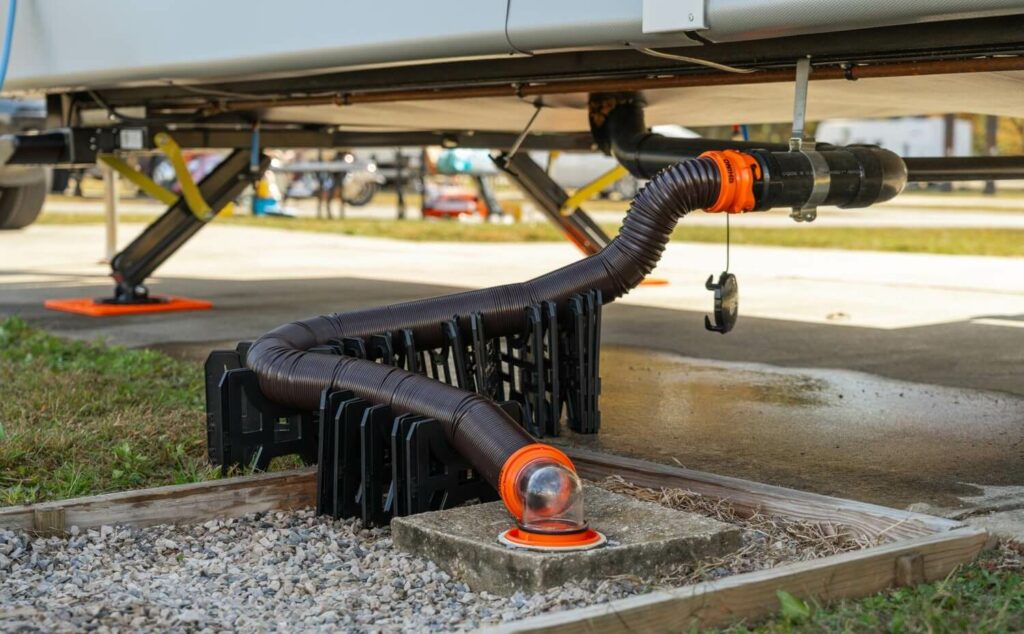
Grey tank sensors act up for a different reason than black tanks. It’s usually not a waste; it’s soap, grease, and film.
If your grey tank always reads 1/3 full, there’s a good chance the tank is coated with residue from dishes, showers, and toothpaste.
Start by fully dumping the grey tank. Then close the valve and add several gallons of warm water through your kitchen sink or shower.
Add a small amount of dish soap, just enough to cut grease, not enough to create a bubble disaster. If you’re dealing with hard water buildup, adding a water softener can help here, too.
Let it sit if you can. Even better, drive the RV so the water sloshes around and scrubs the inside of the tank.
After that, dump and rinse again.
One thing many RVers overlook is kitchen grease. Even small amounts over time can coat the sensors. If you regularly rinse pans with oil or food particles into your sink, your grey tank will need more frequent cleaning.
In most cases, black tank sensors are blamed, but grey tank sensors are just as likely to give false readings.
What Not to Do
Don’t assume you need expensive tank treatments right away. Most sensor issues are buildup-related, not chemical deficiencies.
Avoid harsh chemicals or anything that isn’t designed for RV plumbing. Strong cleaners can damage seals and valves over time.
Don’t rely on the ice cube trick as your main solution. It only works while you’re actively driving and doesn’t address stuck-on residue very well.
And finally, don’t trust your sensors blindly. Even when they’re clean, RV tank monitors aren’t always perfectly accurate. Use them as a guide, not an absolute truth.
How to Prevent Tank Sensor Problems
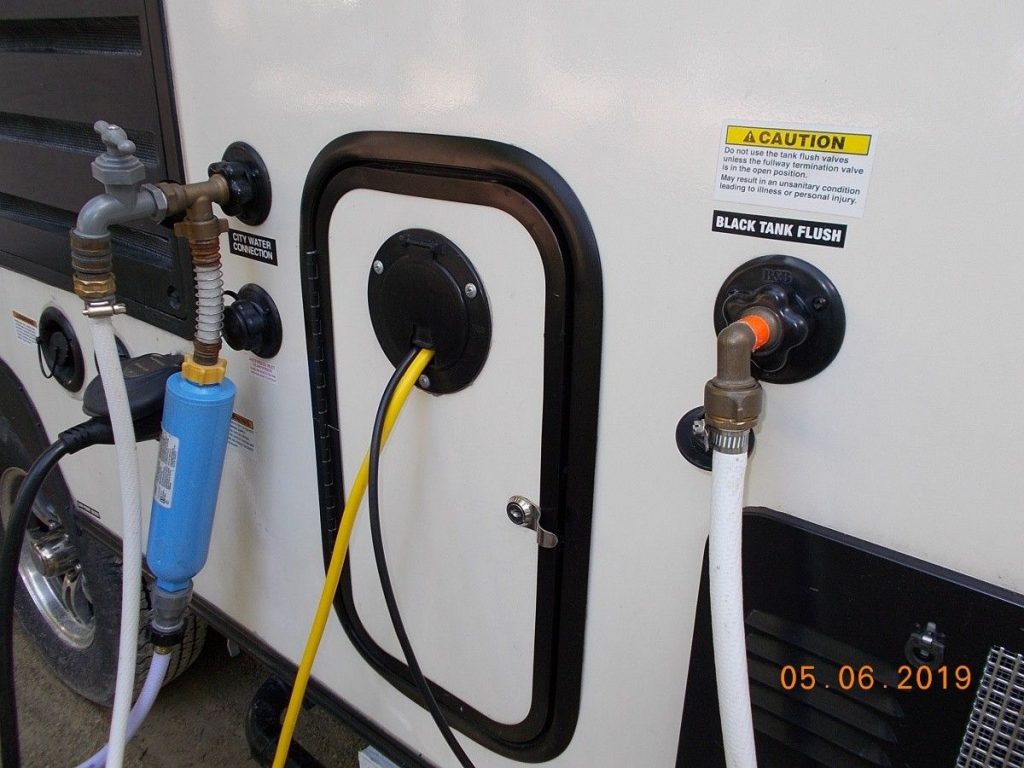
The easiest way to fix RV tank sensors is to avoid letting them get coated in the first place.
Use plenty of water when flushing your black tank. One of the biggest causes of buildup is insufficient water use, especially for full-time RVers trying to conserve tank space.
Only dump your black tank when it’s at least two-thirds full. A fuller tank creates better flow and helps carry solids out more completely.
For your grey tank, be mindful of grease and food waste. Wipe pans before washing them, and avoid pouring oils down the sink. Small habits make a big difference over time.
Finally, make a regular rinse part of your routine. If you’re living in your RV full-time, doing a deeper tank rinse every few weeks can prevent most sensor issues before they start.
Sometimes sensors still misbehave, but consistent maintenance dramatically reduces the frustration.
When It Might Not Be a Cleaning Issue
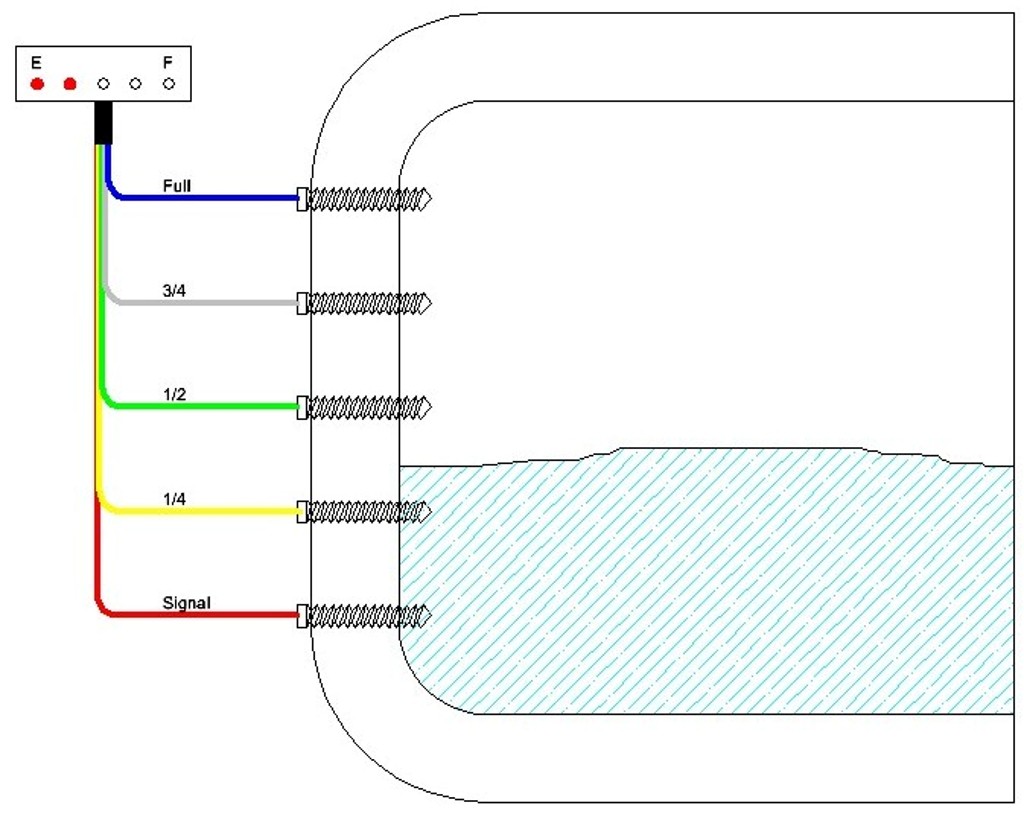
If you’ve flushed thoroughly, properly cleaned, and your sensors still won’t reset, the problem could be something else.
Sensor probes can corrode over time. Wiring can loosen. Control panels can malfunction. In older RVs, especially, the factory-installed probe systems just aren’t very reliable long term.
If your monitor never changes or jumps randomly between readings, you may be dealing with a wiring or panel issue rather than a buildup.
At that point, you have two options: replace the probes or upgrade to an external sensor system that mounts outside the tank and reads levels more accurately.
The good news is that most of the time, false readings are just a buildup. But if cleaning doesn’t help, it’s worth looking more closely rather than continuing to dump and flush in frustration.
Final Thoughts
If your RV black or grey tank sensors won’t read empty, you’re not alone. This is one of the most common frustrations in RV life, especially if you’re living in your rig full-time.
In most cases, the sensors aren’t broken. They’re just coated with buildup.
A thorough dump, proper rinse, and occasional deep clean solve the problem far more often than people realize. And a few simple habits, using enough water, dumping at the right time, and limiting grease, can prevent it from happening again.
RV tank monitors are helpful, but they aren’t perfect. Think of them as a guide, not a guarantee.
If you stay consistent with maintenance, you’ll spend a lot less time staring at a panel that insists your empty tank isn’t empty.
FAQ: RV Tank Sensors Not Reading Correctly
Why do my RV tank sensors read full after dumping?
Most of the time, residue is stuck to the sensor probes inside the tank. Toilet paper, waste, soap scum, grease, and hard water buildup can cause the probes to register as “wet” even when the tank is empty.
How often should I clean my RV black and grey tank sensors?
If you’re a full-time RVer, doing a deeper rinse every few weeks helps prevent buildup. For occasional RVers, cleaning every few trips is usually enough.
Does the ice cube method really clean RV tank sensors?
Ice cubes can help knock loose some debris while driving, but they don’t remove stuck-on residue very well. A proper rinse and cleaning solution is much more effective.
Why does my grey tank always show 1/3 full?
Grey tanks often develop soap and grease buildup that coats the sensors. Even a thin film can cause a constant false reading.
When should I replace my RV tank sensors?
If thorough cleaning doesn’t resolve the issue and readings don’t change or fluctuate randomly, the probes, wiring, or monitor panel may need repair or replacement.
How We Review: At Time to RV, we only recommend products and places we have personally used or visited. Our reviews are based on real-life testing during our full-time travels. We never accept payment for a positive review; our goal is to give you the honest truth so you can hit the road with confidence.