Key Takeaways
- RV park pricing varies based on timing, location, demand, and amenities.
- Traveling during the shoulder season (spring and fall) offers lower rates and fewer crowds.
- Weekdays are generally cheaper than weekends due to lower demand.
RV park pricing can be inconsistent. One park charges $45 a night while another, just a few miles away, charges $110 for the same hookups. How do you get the best deals on RV parks?
The difference usually isn’t random. It comes down to timing, location, demand, and what the park offers.
The good news is you don’t have to sacrifice great travel experiences to save money. With a little planning and flexibility, you can dramatically lower your nightly costs and still stay in clean, comfortable, well-located parks.
This guide breaks down the most reliable ways to find better RV park deals, from choosing the right time of year to understanding which memberships actually pay off.
Time Your RV Travel for Better Rates
When you travel, it matters just as much as where you stay. RV park pricing is heavily driven by seasonality and demand.
Travel During the Shoulder Season
The most expensive RV park rates almost always happen during peak travel months. Summer near national parks, beach destinations, and popular vacation areas can easily double or triple prices.
The shoulder seasons, typically spring and fall, are where the real deals show up. You’ll often find:
- Lower nightly rates
- More availability
- Less crowded campgrounds
Many destinations are actually more enjoyable during these times, with milder weather and fewer people.
Weekdays Are Cheaper Than Weekends
If your schedule allows flexibility, this is one of the easiest ways to save money. Many RV parks charge higher rates for Friday and Saturday nights.
Staying Sunday through Thursday often comes with reduced pricing, and some parks even offer weekday-only discounts that aren’t advertised on their websites.
Understand Regional “High” and “Low” Seasons
Every location has its own version of peak season. For example:
- Northern states are the most expensive in summer
- Southern destinations often peak in winter
- Desert locations can be the cheapest in the hotter months
Knowing when a region is in its off-season can unlock much lower rates without changing your route.
Longer Stays Usually Mean Lower Nightly Costs
If you plan to stay put for a while, weekly and monthly rates can significantly reduce your nightly cost. A park that charges $75 per night might drop to $40–$50 per night for a weekly or monthly stay.
Even extending a stay by a few extra nights can sometimes trigger a discount.
Use RV Memberships and Discount Programs (The Ones That Actually Help)
RV memberships can be highly useful for reducing campground costs, but only if you select the right ones and understand how they work. Some offer consistent savings, while others only make sense in very specific situations.
Good Sam Club
Good Sam is one of the most widely accepted RV discount programs. Many private RV parks offer around 10% off nightly rates for members.
This membership tends to be most useful when:
- You stay at private parks frequently
- You move often and book short stays
- You want simple, no-hassle discounts
Not every park participates, but enough do that it’s usually easy for the membership to pay for itself over the course of a year.
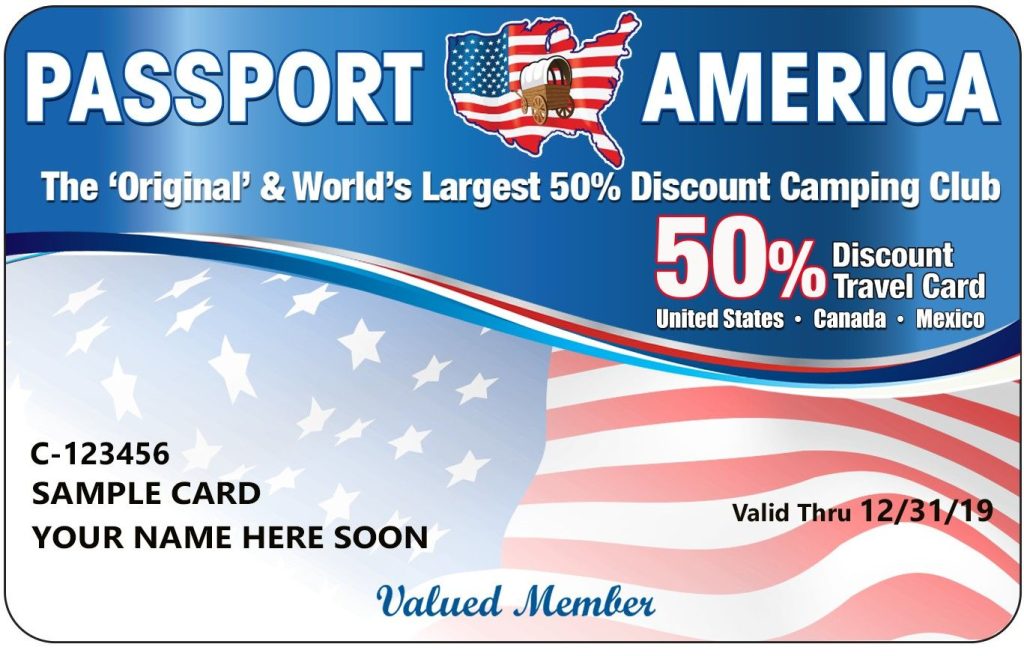
Passport America
Passport America can offer some of the biggest discounts, often up to 50% off, but there’s a catch. Most participating parks limit discounts to:
- Off-peak seasons
- Short stays
- Specific days of the week
This membership works best if you’re flexible and traveling outside peak times. It’s less helpful for weekend-only travelers or those sticking to popular destinations in high season.
Long-Term Membership Networks
Programs like Thousand Trails can drastically reduce nightly costs if you travel often and stay longer. These memberships usually make sense for:
- Full-time or extended RV travelers
- People are willing to plan routes around participating parks
- RVers who stay a week or more at a time
They require more planning but can significantly reduce average nightly costs when used consistently.
Always Ask About Discounts
Even if a discount isn’t listed online, it’s worth asking. Many RV parks quietly offer:
- Military or first responder discounts
- AAA or AARP discounts
- Extended stay discounts nare ot advertised on booking sites
A simple question at booking or check-in can sometimes save more than any membership.
Choose RV Parks That Naturally Cost Less
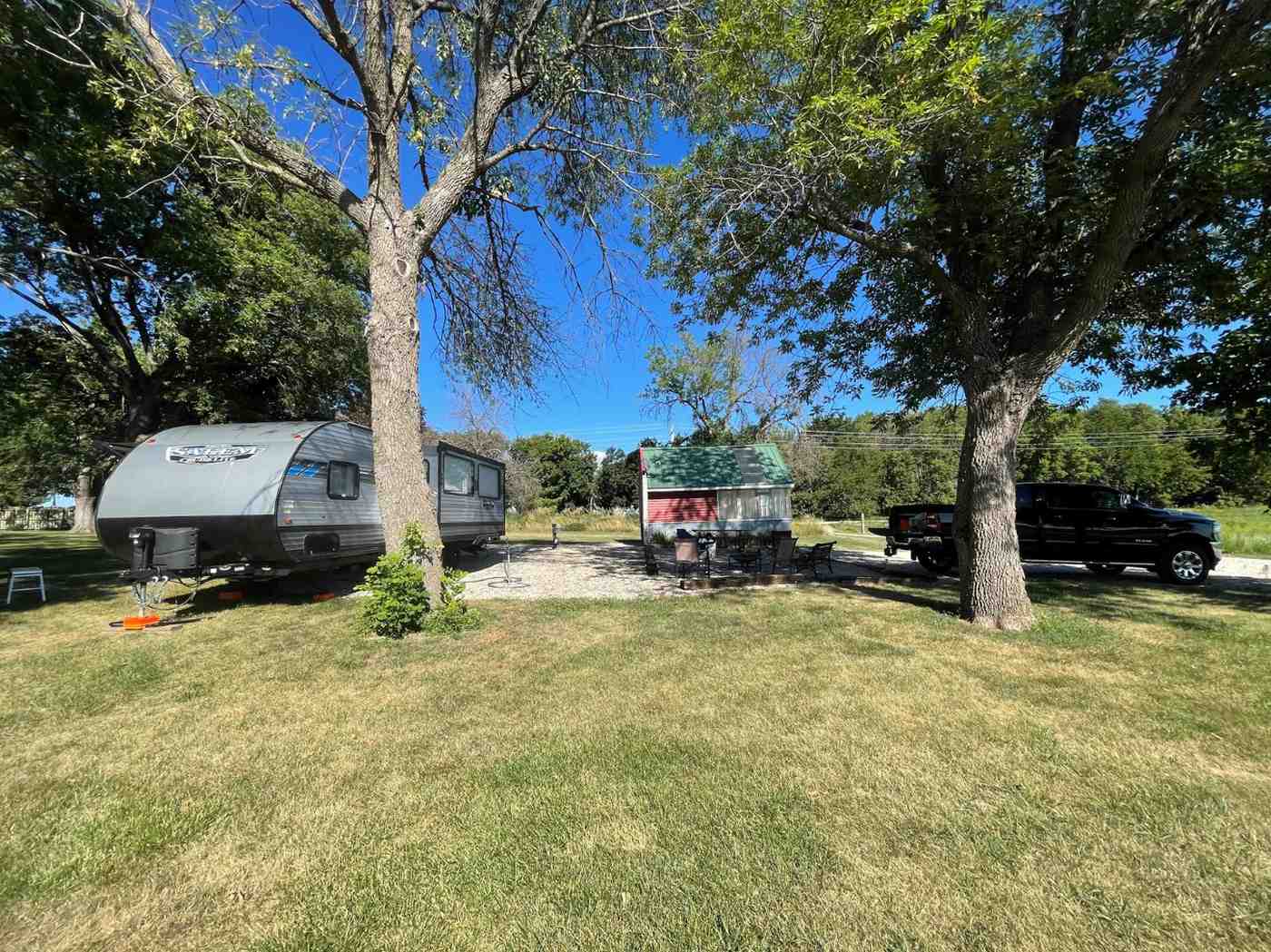
Not all RV parks are priced the same, even within the same area. Much of the cost difference stems from amenities, location, and target audience. Choosing the right type of park can lower your nightly rate without giving up comfort or convenience.
Parks With Fewer Amenities
Resort-style RV parks with pools, splash pads, activity calendars, and clubhouses almost always charge more. If you don’t plan on using those extras, you’re essentially paying for amenities you won’t use.
Parks with fewer amenities often offer:
- Lower nightly rates
- Quieter environments
- A more relaxed camping feel
If your RV is self-contained and you don’t need on-site entertainment, these parks can be an easy way to save money.
Parks Slightly Outside Major Attractions
Location plays a huge role in pricing. RV parks right next to beaches, national parks, or tourist hotspots command premium rates.
Staying just 15–30 minutes outside of those areas can significantly reduce costs while still keeping everything accessible. Many of these parks are:
- Less crowded
- Easier to book
- More flexible with longer stays
A short drive is often worth the savings.
Small, Independently Owned RV Parks
Large corporate parks tend to have standardized pricing and less flexibility. Smaller, independently owned parks are often more willing to:
- Offer extended stay discounts
- Adjust pricing during slower periods
- Work with full-time or longer-term travelers
These parks don’t always appear at the top of major booking platforms, so searching locally or calling directly can uncover better deals.
County, City, and Fairground RV Parks
Municipal and fairground RV parks are often overlooked but can be among the best values. While they may not be fancy, they usually offer:
- Full hookups
- Spacious sites
- Very affordable nightly or weekly rates
These parks are especially common in smaller towns and rural areas and are often well-maintained.
Book Smarter to Lock in Better RV Park Deals
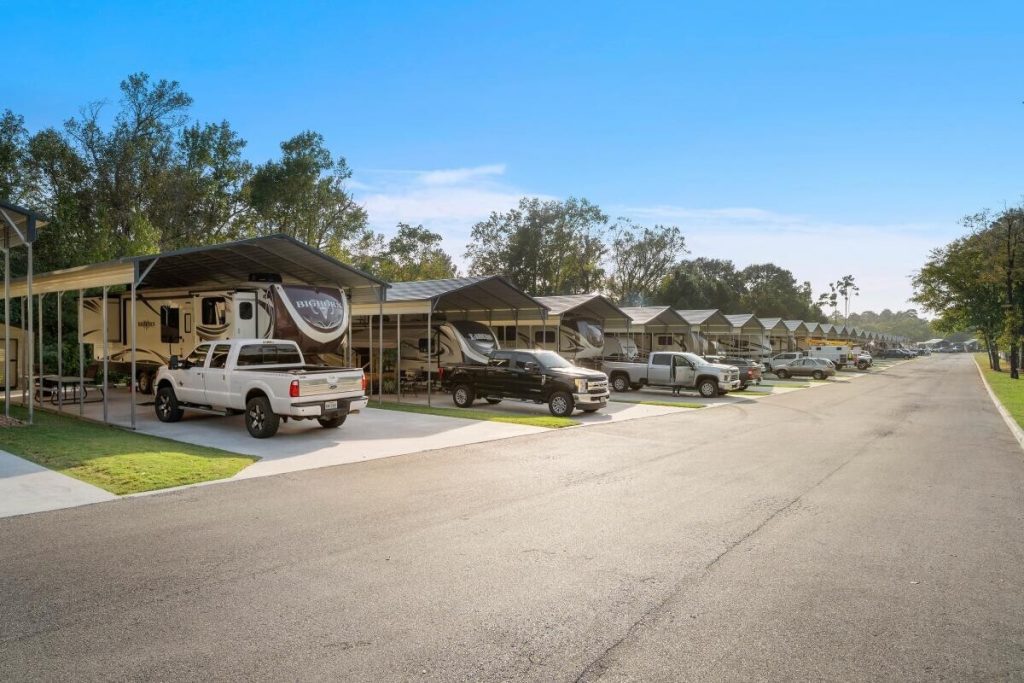
When and how you book an RV park can make a noticeable difference in your rate. A little strategy here can save you money without changing your travel plans.
Book Early for High-Demand Areas
If you’re traveling to a popular destination during peak season, booking early is usually the best way to avoid inflated last-minute pricing. Many parks raise rates as availability drops, especially around holidays and major travel months.
Booking early also gives you more flexibility to:
- Choose less expensive site types
- Adjust dates to find better pricing
- Avoid premium “overflow” or resort sections
Use Last-Minute Stays Strategically
On the flip side, last-minute bookings can sometimes work in your favor, especially in less tourist-heavy areas. Some parks would rather fill an empty site at a lower rate than leave it vacant.
This approach works best when:
- You’re traveling midweek
- You’re flexible on exact locations
- You’re not relying on one specific park
Calling the park directly rather than booking online can increase your chances of securing a last-minute deal.
Look Beyond Big Booking Platforms
Online booking platforms are convenient, but they don’t always show the best price. Some parks:
- Charge lower rates when you book directly
- Offer discounts over the phone
- Have unlisted weekly or monthly rates
If you’re staying more than a few nights, it’s often worth calling the park to ask about longer-stay pricing.
Be Flexible With Site Types
Premium sites often cost more without adding much value, especially if you’re just passing through. Choosing:
- Back-in instead of pull-through
- Standard hookups instead of premium views
can lower your nightly rate with little downside.
Use Longer Stays and Alternative Camping Options to Cut Costs
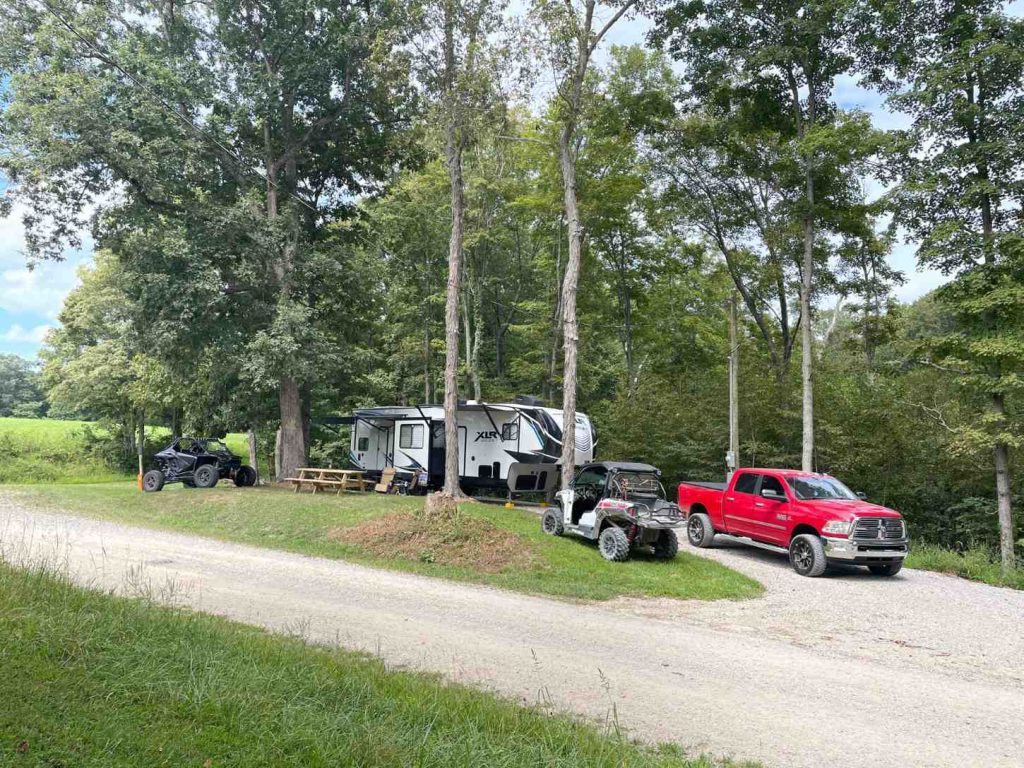
One of the fastest ways to lower your average nightly cost is to rethink how long you stay in one place and where you’re willing to camp.
Weekly and Monthly Rates Can Change Everything
Many RVers focus only on nightly pricing, but that’s often the most expensive way to stay. Weekly and monthly rates can significantly reduce your per-night cost.
It’s common to see:
- Nightly rates of $70–$90
- Weekly rates that average closer to $45–$60 per night
- Monthly rates that drop even lower
If you’re working remotely, traveling slowly, or just want a break from moving, longer stays can dramatically stretch your budget.
Don’t Assume Monthly Means Long-Term Commitment
Some parks offer discounted monthly rates even if you don’t stay a full month. Staying 10–14 days can sometimes trigger a reduced rate that’s still far cheaper than paying nightly.
Always ask what happens to the price if you extend your stay.
Consider Public and Low-Cost Camping Options
Not every stay needs to be at a traditional RV park. Including alternative options can significantly reduce overall travel costs.
Options to look for include:
- County and city parks
- Fairgrounds
- State-run campgrounds
- Basic campgrounds with minimal amenities
These often provide full hookups or essential services at a fraction of the cost of private resorts.
Balance Paid Parks With Free or Low-Cost Stays
Even if you prefer full hookups most of the time, occasionally blending in low-cost or free stays can offset the higher prices of higher-priced locations.
Using budget-friendly stops between more expensive destinations helps keep your average nightly cost under control without sacrificing comfort in the long term.
Final Thoughts: Saving on RV Parks Is About Strategy, Not Sacrifice
Finding the best deals on RV parks isn’t about cutting corners or settling for poor experiences. It’s about understanding how pricing works and using timing, flexibility, and planning to your advantage.
By traveling during less popular seasons, choosing parks that match your camping style, using the right memberships, and staying longer when it makes sense, you can significantly reduce your RV park costs.
Over time, these small decisions add up and can make full-time or extended RV travel far more sustainable.
Frequently Asked Questions About Finding Cheap RV Parks
What is the cheapest time of year to stay at RV parks?
The cheapest time to stay at RV parks is typically during the off-season or shoulder season, depending on the location. Spring and fall often offer lower rates than summer, especially near popular destinations. In the South and desert regions, summer is often the most affordable time due to lower demand.
Are RV park memberships actually worth it?
RV park memberships can be worth it if you travel often or stay at private parks regularly. Programs like Good Sam or Passport America can quickly pay for themselves with just a few discounted stays. The value depends on how flexible your travel schedule is and how often you use participating parks.
Is it cheaper to stay weekly or monthly at RV parks?
Yes, weekly and monthly stays are almost always cheaper than paying nightly rates. Many RV parks significantly reduce the per-night cost for longer stays, making this one of the easiest ways to save money when RVing.
Are RV parks cheaper if you book directly?
In many cases, yes. Some RV parks offer better pricing, special discounts, or flexible rate options when you book directly rather than through third-party platforms. Calling the park can also uncover unadvertised weekly or extended-stay rates.
Do RV parks charge more for weekends?
Many RV parks charge higher rates on Friday and Saturday nights, especially during peak season. Staying midweek or adjusting your arrival and departure days can help reduce overall costs.
Are smaller RV parks cheaper than resort-style parks?
Smaller, independently owned RV parks often cost less than large resort-style parks with extensive amenities. If you don’t need pools, activities, or luxury features, choosing a simpler park can significantly lower your nightly rate.
How far from attractions should I stay to save money?
Staying just 15–30 minutes outside major tourist areas, national parks, or beach destinations can lead to much lower RV park rates. A short drive is often worth the savings.
How We Review: At Time to RV, we only recommend products and places we have personally used or visited. Our reviews are based on real-life testing during our full-time travels. We never accept payment for a positive review; our goal is to give you the honest truth so you can hit the road with confidence.