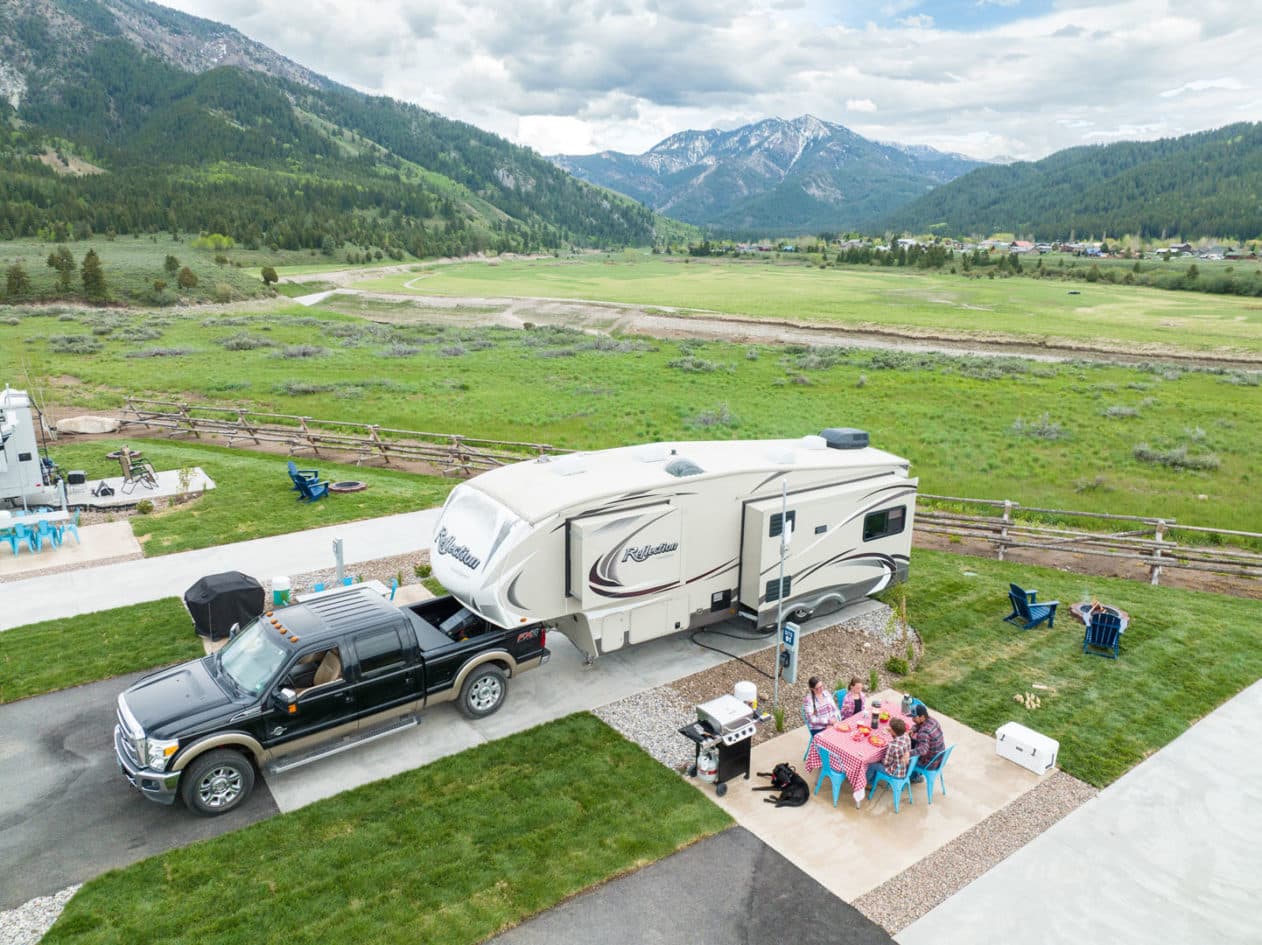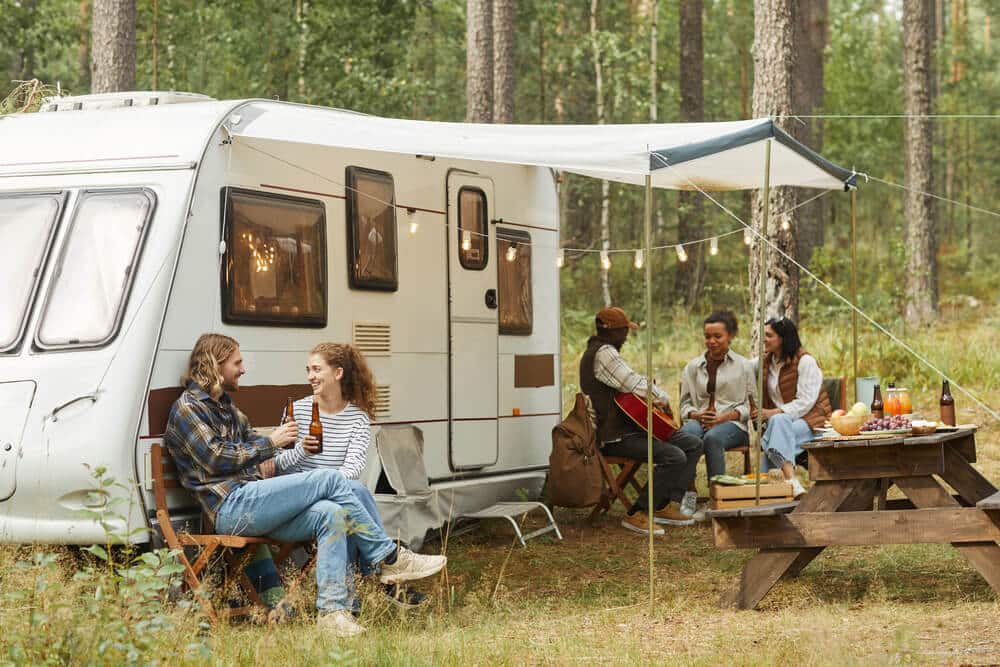
Key Takeaways
- Many private RV parks are implementing automated systems that enforce age and appearance rules, often leading to rejections before a human interaction.
- Automated Number Plate Recognition (ANPR) systems are being used to scan license plates, linking them to reservation details and rules, potentially denying entry without human review.
- Creating a "Rig Portfolio" with high-quality photos showcasing maintenance and condition is an effective way to bypass auto-rejection by proactively demonstrating the RV's quality.
If you’ve been RVing for any amount of time, you’ve probably heard of the “10-year rule.”
Some private RV park ANPR won’t allow rigs older than a certain age, usually ten years, unless they’re approved in advance.
That rule has always been frustrating.
But in 2026, something more subtle, and far more aggravating, is happening.
RVers aren’t just being turned away by park managers anymore.
They’re being rejected by software.
Across the U.S., privately owned RV parks are quietly rolling out automation systems that enforce age and appearance rules before you ever speak to a human.
Reservations are screened digitally. License plates are scanned at the gate. Photos are reviewed (or rejected) by algorithms. And in some cases, the gate simply never opens.
What’s catching people off guard is this:
Many of the rigs being rejected aren’t neglected or rundown. They’re clean. Renovated. Well cared for. Some are high-end fifth wheels or luxury coaches that visually blend in with brand-new rigs, yet they’re still being flagged.
If you’ve ever searched for things like:
- “RV park rejected me.”
- “10-year rule exception denied”
- “Turned away at RV park with older rig.”
You’re not alone.
Reddit threads and Facebook groups are filled with RVers sharing the same experience:
“No one even looked at our RV.”
“We never spoke to a person.”
“The app denied us automatically.”
This article isn’t about arguing whether the 10-year rule is fair.
It’s about understanding how enforcement has changed, why it’s accelerating in 2025–2026, and what you can realistically do to travel without constantly hitting invisible walls.
We’ll break down:
- How RV parks are using license plate scanners and automated approvals
- Why cosmetic condition matters more than ever
- How some older rigs still get a pass (and why)
- What the new electrical safety standards mean for older RVs
- And where RVers are migrating when traditional parks say no
If your RV is olderbut well-maintained, this guide will help you navigate the new reality without sacrificing the lifestyle you’ve worked hard to build.
The Quiet Shift No One Warned RVers About
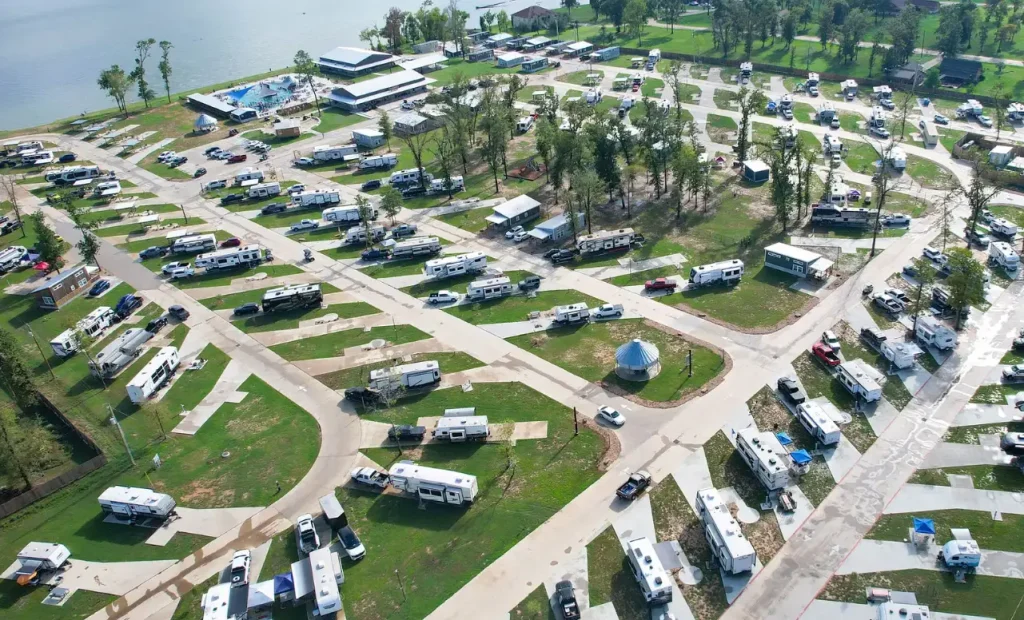
From Front Desk Judgment to Algorithmic Rejection
For decades, the 10-year rule was enforced by people.
You’d pull in, check in at the office, and if your RV was older, someone would usually step outside, take a quick look, and make a judgment call. If your rig was clean and well-maintained, you often got a pass.
That’s no longer how many private RV parks operate.
Over the past few years, large investment groups and corporate operators have been buying up RV parks across the U.S.
As ownership has changed, so has enforcement. Instead of relying on on-site staff, many parks now use centralized booking systems, remote management, and automated screening tools.
What that means in practice is simple:
Decisions about your RV are increasingly made before arrival, often without human involvement.
Age limits are now baked into reservation software.
Appearance standards are enforced through photo uploads.
Entry gates are controlled digitally, not manually.
If your RV doesn’t meet preset criteria, the system flags it. Once flagged, there may be no override at the park level, even if the rig is spotless.
This shift is why so many RVers feel blindsided.
The rule didn’t just get stricter; it became automatic.
And automation doesn’t care that you replaced your roof last year, updated the decals, or remodeled the interior. It sees a model year, checks a box, and moves on.
Understanding this shift is the key to working around it.
Once you know where and how the decision is made, you can begin positioning your RV to avoid auto-rejection before it occurs.
The Rise of ANPR in RV Parks
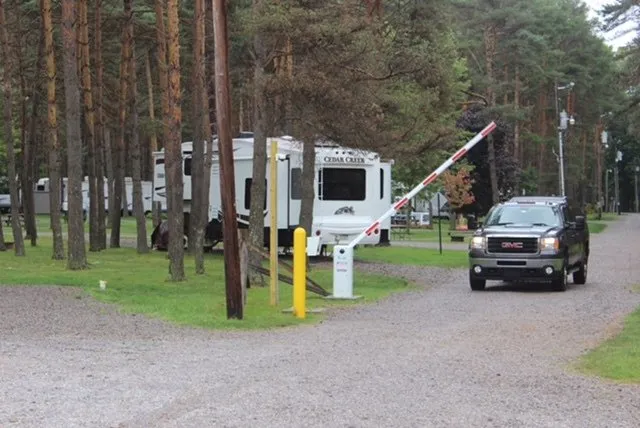
How License Plate Scanners Decide If You’re Allowed In
ANPR stands for Automatic Number Plate Recognition.
It’s the same technology used in toll roads, parking garages, and gated communities, and it’s now showing up at RV parks.
In simple terms, ANPR systems use cameras to scan your license plate as you arrive. That plate is instantly matched against the park’s reservation system and internal rules.
If the system approves you, the gate opens.
If it doesn’t, nothing happens.
What’s new in 2025–2026 is how much information is being tied to that plate.
Many private RV parks now link reservations to:
- Vehicle year
- RV type
- Length and configuration
- Pre-uploaded photos
- Approval status set during booking
By the time you pull up to the gate, the decision has often already been made.
There’s no front desk to walk into.
No one to step outside and look at your rig.
No opportunity to explain upgrades or conditions.
If your RV was flagged during the reservation process, ANPR systems simply deny entry.
This is why RVers are reporting being:
- Turned away without speaking to the staff
- Locked out at the unmanned gates
- Told “the system won’t allow it.”
From the park’s perspective, this reduces labor, speeds up check-ins, and enforces rules consistently. From the RVer’s perspective, it feels like being judged by a spreadsheet.
And once ANPR is in place, even calling ahead doesn’t always help. Many front-line employees no longer have the authority to override the system’s decisions.
That’s why understanding how reservations are screened before arrival matters more than ever. If your RV is older, the goal is no longer to convince someone in the office; it’s to avoid the automated rejection altogether.
“Rejected by an Algorithm”

What RVers Are Actually Experiencing in 2026
If this shift toward automation sounds extreme, a quick look at RV forums tells a different story.
Across Reddit, Facebook groups, and campground review sites, RVers are describing the same experience using almost identical language:
- “No one even looked at our RV.”
- “We never talked to a person.”
- “The app rejected us automatically.”
- “We were stopped at the gate with no explanation.”
What’s most frustrating isn’t the rule itself.
It’s the lack of human review.
Many RVers report being denied:
- After uploading photos that were never acknowledged
- Without any follow-up questions
- With no option to appeal or clarify
In older enforcement models, age rules were often flexible. A clean, well-maintained rig could be approved on sight. Now, decisions are frequently made by reservation systems that rely on preset filters rather than context.
That’s why RVers with:
- Renovated interiors
- Updated exteriors
- High-end fifth wheels
- Luxury coaches
Are still being rejected before arrival.
From the park’s side, automation means consistency and efficiency. From the traveler’s side, it feels impersonal and rigid, especially when pride of ownership isn’t being considered.
This growing disconnect explains why so many RVers feel blindsided. The rejection doesn’t feel earned or justified. It feels procedural.
The good news is this:
Once you understand how rejection occurs, you can adjust how your RV is presented before the systemmakes a decision.
That’s where strategy comes in.
The Cosmetic Resume Hack
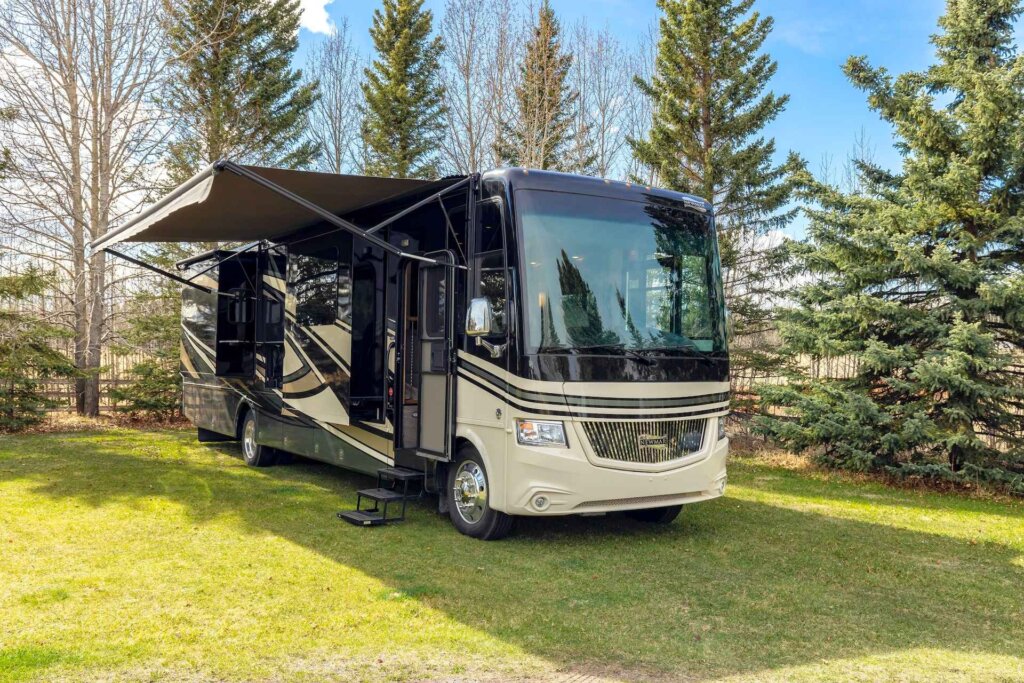
How to Build a Rig Portfolio That Beats Auto-Reject Software
When RV parks rely on automation, visual condition matters more than age.
That’s why one of the most effective ways to bypass auto-rejection in 2026 is creating what many full-time RVers now call a “Rig Portfolio.”
Think of it as a digital resume for your RV.
Instead of letting software judge your rig based on model year alone, you proactively show decision-makers what actually matters: condition, maintenance, and pride of ownership.
What a Rig Portfolio Is
A Rig Portfolio is a small digital folder (or email-ready set of photos) that clearly demonstrates your RV is well-maintained and meets the park’s standards.
It’s designed to be reviewed quickly by:
- Remote park managers
- Reservation staff
- Or anyone manually approving exceptions before automation kicks in
What Photos to Include
You don’t need dozens of images. In fact, too many can work against you. The goal is clear proof, not over-explanation.
Include 4–5 high-quality photos showing:
- Full Side Profile: Taken in good lighting, showing the RV clean, level, and intact
- Roof & Seals: A photo of the roof membrane and sealant work (this signals serious maintenance)
- Decals & Exterior Finish: Close-ups showing no peeling, cracking, or fading
- Slide-Outs: Extended, with seals and toppers visible and intact
- Overall Condition Shot: A clean, neutral-angle image that shows the rig “fits” visually
These photos answer the unspoken question parks are really asking:
“Will this RV hurt our aesthetic?”
How and When to Use It
The key is timing.
Submit your Rig Portfolio before arrival, ideally:
- When booking online (if a notes or upload option exists)
- Immediately after booking via email
- Or when requesting an exception to an age rule
A simple message works best:
“Our RV is older than your stated age policy, but it is very well-maintained. Happy to share recent photos for pre-approval if helpful.”
This approach signals professionalism, not defensiveness.
Why This Works
Even parks using automated systems often allow manual overrides, but only when prompted.
Photos give staff a reason to:
- Flag your reservation as “approved.”
- Bypass auto-reject filters
- Add notes that prevent gate denial
Many RVers report that parks enforcing strict age rules still approved their rig after reviewing photos, especially when those photos were sent proactively.
Automation is rigid.
People are still flexible if you reach out to them early enough.
The Luxury Loophole
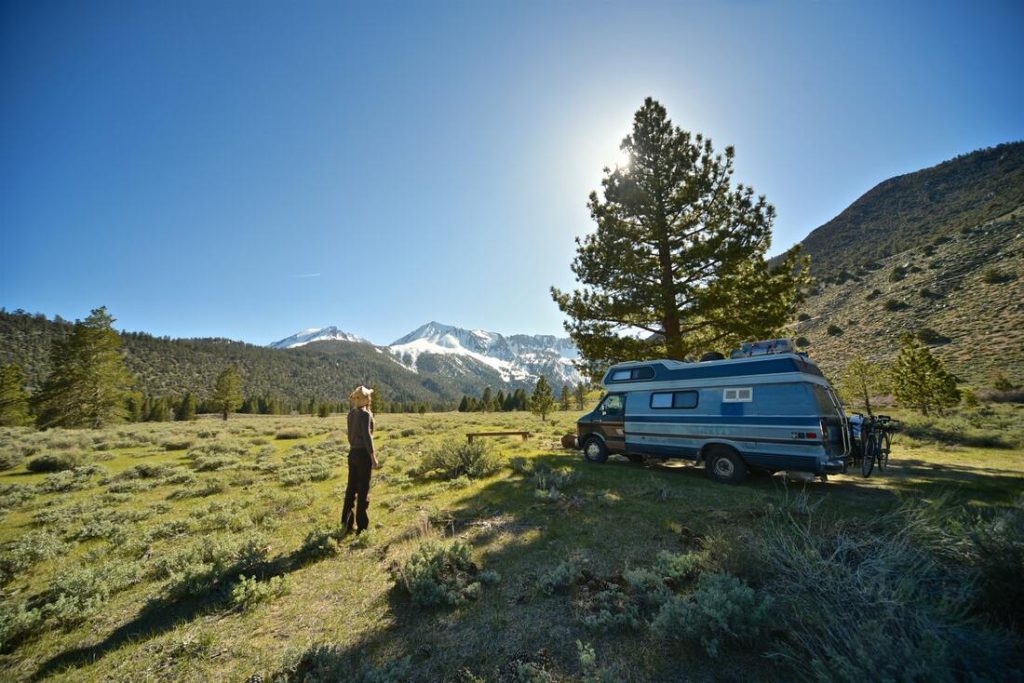
Why Some Older Rigs Get a Pass (And How to Position Yours)
Not all RVs are judged the same way.
Even in parks with strict age policies, there’s an unspoken reality: brand perception still matters. Some older rigs are quietly waved through, while others are flagged, simply because they look like they belong.
This is what many RVers refer to as the luxury loophole.
Why Brand Still Influences Approval
RV parks enforcing appearance standards aren’t just managing risk. They’re protecting an image.
High-end rigs, especially luxury fifth wheels and premium coaches, tend to:
- Age better visually
- Use higher-quality materials
- Maintain a consistent exterior look longer
To a park manager (or an automated reviewer), a well-kept luxury rig reads as intentional rather than temporary.
That’s why older high-end models often receive exceptions, while newer but budget rigs may not.
Older Brands That Often Get a Pass
While nothing is guaranteed, RVers consistently report better outcomes with older rigs from brands known for quality and design longevity, including:
- Luxury fifth wheels with residential styling
- High-end motorhomes with clean, timeless exteriors
- Well-maintained toy haulers that still look modern
These rigs tend to “blend in” visually with newer units, which is exactly what parks want.
How to Position Your RV During Booking
If your rig falls into this category, don’t undersell it.
Use the notes section of booking platforms to emphasize:
- Brand and model (not just year)
- Trim level or luxury designation
- Major exterior or structural upgrades
For example:
“2012 luxury fifth wheel, professionally maintained, updated exterior and roof in recent years.”
This reframes your RV from “older” to “premium and maintained.”
Pair Brand With Visual Proof
Brand alone isn’t enough. This works best when combined with your Rig Portfolio.
When a park sees:
- A recognizable, high-quality brand
- Clean exterior photos
- Evidence of ongoing maintenance
It becomes much easier for them to justify an exception, especially when their primary goal is visual consistency rather than model-year enforcement.
The takeaway is simple:
If your RV looks like it belongs, you can often make it belong, regardless of age.
Electrical “Hot Skin” and the 2026 GMI Mandate
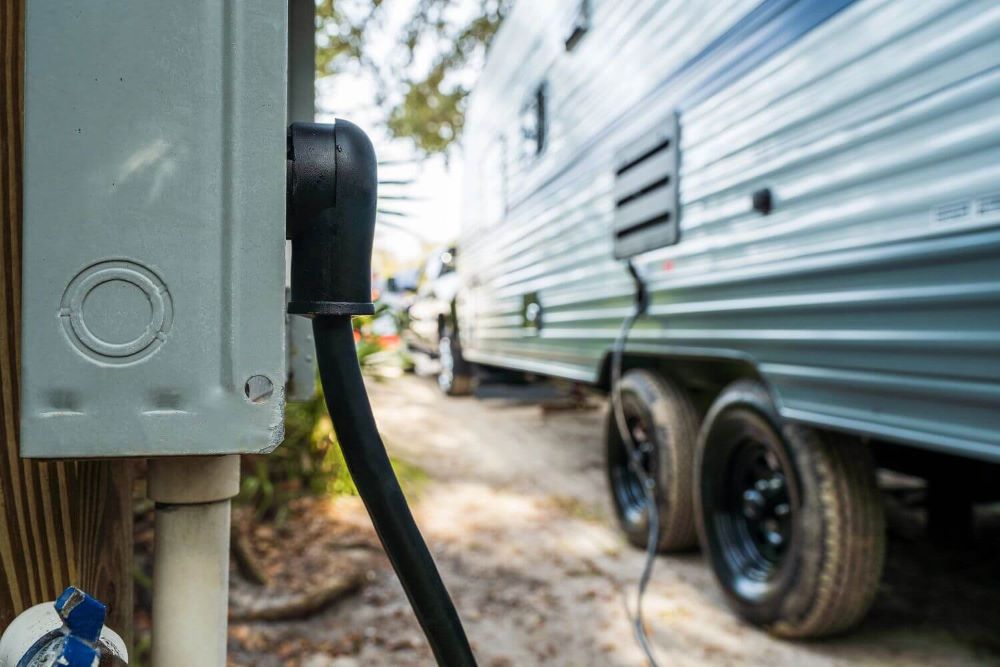
Why Older Rigs Are Suddenly Under More Scrutiny
Along with cosmetic screening, electrical safety has become a major concern for RV parks in 2026, and it’s another reason older rigs are being questioned more aggressively.
You may have seen the term “hot skin” pop up in forums or park rules recently. It sounds dramatic, but it’s a legitimate safety issue.
What “Hot Skin” Means (Plain English)
“Hot skin” occurs when an RV’s metal exterior becomes electrically energized due to a grounding or wiring fault. If someone touches the RV while standing on the ground, they may receive an electric shock.
This is rare, but when it happens, it’s serious.
Because older RVs are more likely to have:
- Worn shore power cords
- Aging electrical components
- Improper grounding
They’re often assumed to be the problem when power issues occur at a park, even when that isn’t the case.
What Changed in 2026: The GMI Requirement
Starting in 2026, newly manufactured RVs must include a Ground Monitoring Interrupter (GMI).
A GMI constantly checks that the RV has a proper ground connection. If it detects a problem, it prevents the RV from powering up. This significantly reduces the risk of hot-skin incidents.
Older RVs are not required to have GMIs, but parks are aware of the new standard.
That awareness has made some park operators more cautious, and in some cases, quicker to blame older rigs for:
- Tripped pedestals
- Power instability
- Ground faults
Why Older Rigs Get Flagged (Even When They’re Fine)
Here’s the important part:
Many campground electrical issues actually originate from the pedestal, not the RV.
But when a newer RV won’t power up due to a poor ground, park staff often identify the issue immediately. Older RVs without GMIs may still be energized, even if conditions aren’t ideal.
That difference creates a perception that older rigs are “riskier,” even when they’re electrically sound.
How to Prove Your RV Is Electrically Safe
If you’re traveling with an older rig, preparation matters.
A few simple steps can help prevent assumptions and protect you if questions come up:
- Use a quality electrical management system (EMS) that checks for proper wiring before power flows
- Test pedestals before plugging in whenever possible
- Keep records of electrical maintenance or upgrades
- Replace aging power cords and connectors proactively
Being able to confidently say, “We use an EMS and test every connection before powering up,” goes a long way with park managers.
This isn’t about arguing standards. It’s about demonstrating responsibility in an environment where safety expectations are rising.
The Hybrid Park Migration
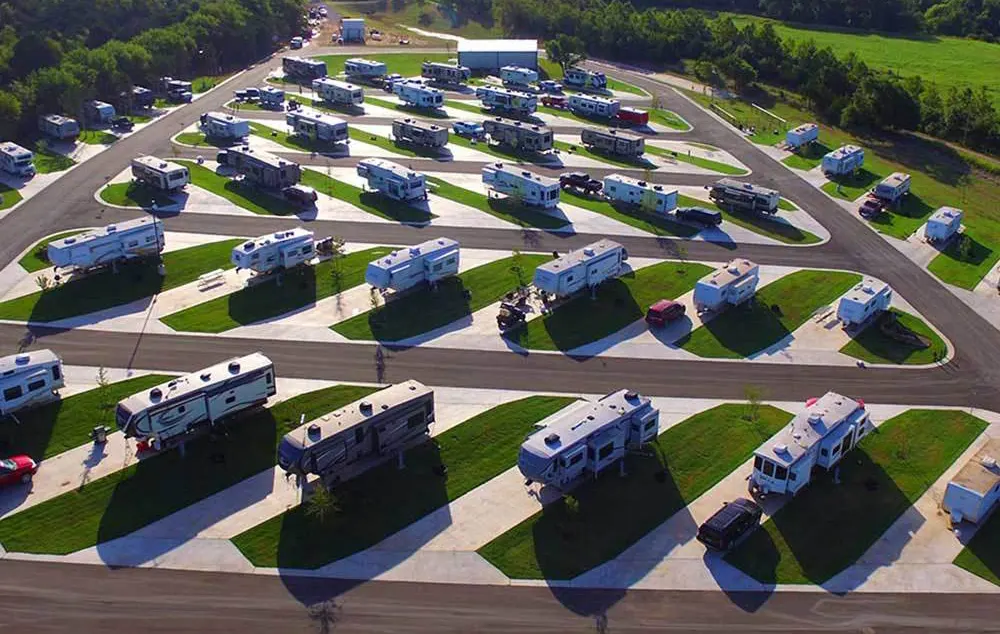
Where RVers Are Going Instead in 2026
As automation tightens at traditional private RV parks, many RVers aren’t fighting the system; they’re changing where they stay.
This has led to the rise of what many now call “hybrid RV parks.”
These parks still offer full hookups and long-term stays, but they prioritize rig quality, guest behavior, and lifestyle fit over a hard manufacturing date.
What Defines a Hybrid RV Park
Hybrid parks are designed around how people actually RV in 2026. They tend to focus on:
- Rig condition instead of model year
- Longer stays instead of overnight turnover
- Remote work amenities instead of resort fluff
You’ll often see features like:
- Reliable high-speed or fiber internet
- Coworking or quiet workspaces
- Monthly or extended-stay pricing
- Visual pre-approval instead of strict age rules
Rather than automatically rejecting rigs, these parks want RVers who treat their setups as homes, not temporary campgrounds.
Why These Parks Are Growing Fast
Remote work has changed the RV demographic.
More travelers are:
- Working full-time from their RV
- Staying weeks or months instead of nights
- Willing to pay more for stability and connectivity
Hybrid parks cater to this shift. A well-maintained older RV with solar, upgraded systems, and a clean exterior is often more desirable than a newer rig used as a weekend party trailer.
For park owners, this model means:
- Fewer rule violations
- More consistent income
- Less wear and tear on facilities
For RVers, it means fewer surprise rejections.
How to Identify Hybrid Parks When Booking
These parks don’t always advertise themselves as “hybrid,” but there are clear signals:
- Mentions of remote work, coworking, or digital nomads
- Emphasis on internet quality rather than pools or mini golf
- Monthly pricing prominently displayed
- Requests for photos instead of listing a strict 10-year rule
If a park asks for photos but doesn’t specify an age cutoff, that’s often a good sign.
What This Shift Means for RVers
The takeaway isn’t that traditional parks are disappearing; they aren’t.
It’s that RVers with older, well-maintained rigs now have more success by choosing parks aligned with how they live, not just where they want to visit.
Understanding this migration lets you plan smarter routes, avoid frustration, and spend less time fighting policies that were never designed for full-time RV life.
The Real Reason RV Parks Are Doing This
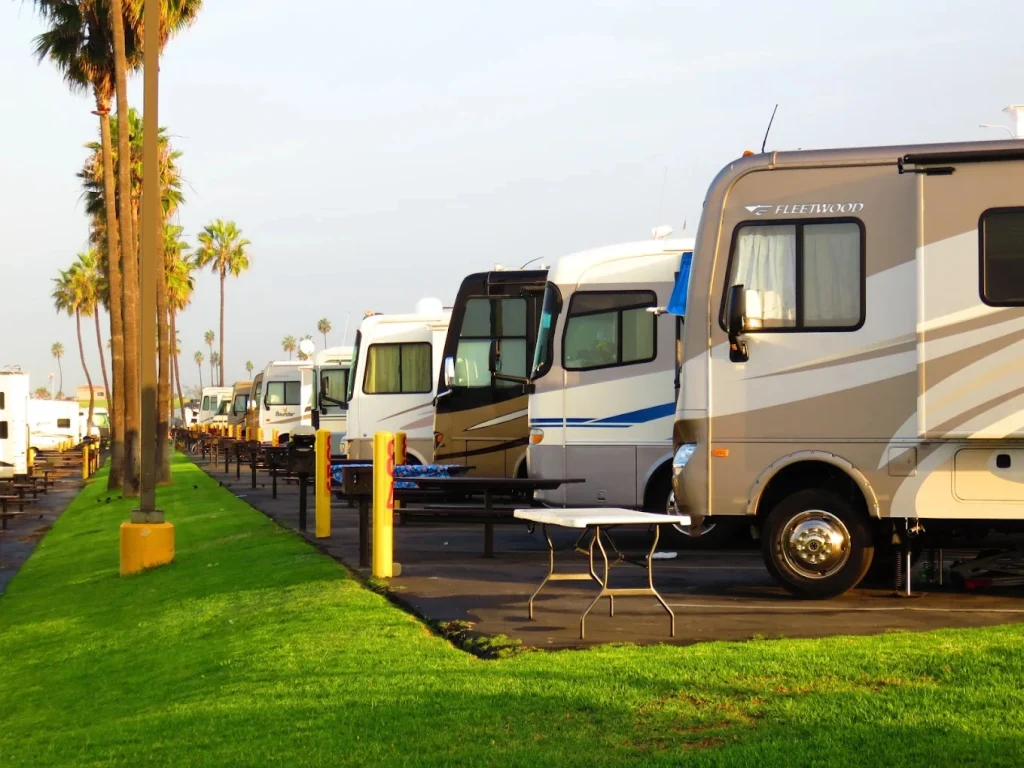
It’s About Marketing, Not Just Rules
At its core, this shift isn’t really about RV age.
It’s about branding.
Private RV parks are no longer just places to park for the night. Many are repositioning themselves as resorts, workcation hubs, or glamping-style destinations.
To attract that audience, parks want:
- Clean, uniform visuals
- Predictable guest experiences
- Photos that look good on websites and Google listings
Strict age and appearance enforcement helps create that consistency, especially when parks are marketed online before guests ever arrive.
Automation makes this easier.
Instead of relying on staff to make subjective calls, parks can:
- Standardize approvals
- Reduce complaints from guests expecting a “resort feel.”
- Protect their image at scale
From a business perspective, it makes sense.
From an RVer’s perspective, it can feel exclusionary, especially when well-maintained older rigs are treated the same as neglected ones.
That disconnect is what’s driving so much frustration right now.
The important thing to understand is this:
Most parks aren’t trying to punish RVers. They’re trying to sell an experience.
Once you view it through that lens, the strategy shifts from advocating for policies to positioning your RV as part of the experience.
How to Make Your RV Look Five Years Newer
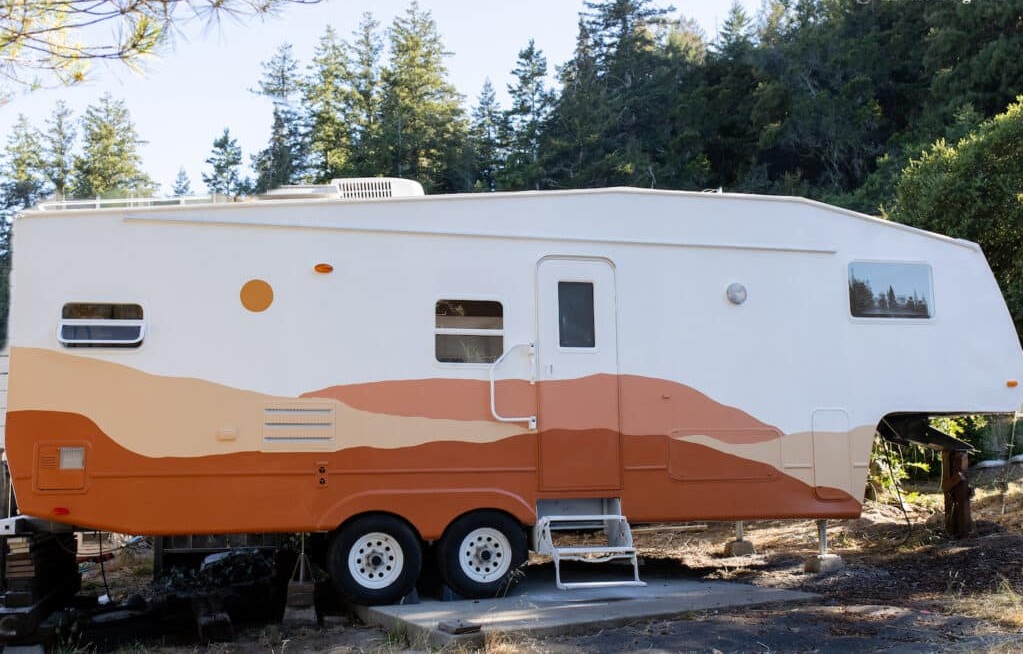
What RV Parks Actually Notice
When RV parks screen rigs, whether by software or staff, they’re not evaluating everything. They’re looking for a few fast visual signals.
If those signals look good, most concerns fade.
What Parks Notice Immediately
These are the areas most likely to influence approval:
- Exterior cleanliness: Clean siding, washed roof edges, no visible streaking
- Decals and paint: Faded or peeling graphics are one of the fastest ways to trigger rejection
- Roof condition: Even one visible repair patch raises red flags
- Slide-out seals: Dry, cracked, or sagging seals suggest deferred maintenance
- Overall presentation: Does the rig look intentional or neglected?
Interior upgrades rarely matter for approval. Parks judge what they can see from the road.
High-Impact Upgrades That Matter
You don’t need a full remodel. A few targeted updates go a long way:
- Refresh or remove aging decals
- Replace worn slide seals and trim
- Touch up sealant and roof edges
- Upgrade exterior lighting to a modern look
- Keep tires, wheels, and storage doors clean and uniform
These small changes can visually reset how old your RV appears.
Why This Works
Parks enforcing age rules are usually trying to avoid:
- Visual complaints from other guests
- Poor online reviews
- Maintenance or safety risks
A clean, updated exterior signals responsibility, something automation can’t measure on its own.
This is also where video shines.
A brief walkthrough highlighting exterior condition, roof care, and maintenance habits can do more to earn approval than any written explanation. It gives parks confidence that your RV won’t become a problem once you’re inside the gate.
What This Means for RVers in 2026
RV park enforcement is changing, but the lifestyle isn’t disappearing.
Automation has shifted how decisions are made, not what truly matters.
RVers who understand:
- How approvals happen
- What parks are trying to protect
- How to present their rig strategically
Will continue to travel with far less friction, even with an older RV.
This isn’t about beating the system.
It’s about navigating it smarter.
Frequently Asked Questions About RV Park Rejections and the 10-Year Rule
Can an RV park automatically reject you?
Yes. Many private RV parks now use reservation software, photo pre-approvals, and gate automation to enforce rules before arrival. In some cases, decisions are made without a human reviewing your RV in person.
Do renovated or well-maintained older RVs still get denied?
They can. Automated systems often flag RVs based on model year first. That’s why submitting photos and requesting pre-approval before arrival is critical if your RV is older but in good condition.
Are license plate scanners used to enforce the 10-year rule?
Some RV parks now use license plate recognition at gated entrances. These systems can confirm reservation status and deny entry if a rig was flagged during booking or failed pre-approval.
How can I improve my chances of getting approved for an older RV?
The most effective strategies include sending exterior photos in advance, highlighting maintenance and upgrades, emphasizing brand quality, and choosing parks that prioritize rig condition over age.
Are there RV parks that do not have a 10-year rule?
Yes. Many parks, especially those focused on long-term stays, remote workers, or extended travel, do not enforce a strict age limit. These parks often rely on visual approval instead of a fixed rule.

Lauren Gamble is a wife, mother, and seasoned entrepreneur with a background in digital, affiliate marketing, and content creation. She and her husband run multiple remote businesses that give their family the freedom to live and travel full-time in their RV. As a homeschooling mom, Lauren is passionate about creating a life rich in experiences and connection. Through Time to RV, she shares her family’s journey, along with practical insights, travel tips, and resources to help others explore the road less traveled, without sacrificing stability or success. Lauren and her family have been full-time RVing since November 2024.
How We Review: At Time to RV, we only recommend products and places we have personally used or visited. Our reviews are based on real-life testing during our full-time travels. We never accept payment for a positive review; our goal is to give you the honest truth so you can hit the road with confidence.