Key Takeaways
- Full-time RV living can be cheaper than owning a home, but it depends on lifestyle, travel habits, and expenses.
- Home ownership provides stability and long-term value, but also incurs consistent costs like mortgage, taxes, and maintenance.
- The cost of full-time RV living varies widely based on RV type, travel frequency, and campground choices.
It’s a question a lot of people start asking once they really look at housing costs: Is full-time RV living actually cheaper than owning a home?
With home prices climbing and flexibility becoming increasingly important for many families, RV living has become more than just a lifestyle choice.
For some, it’s about freedom and travel. For others, it’s simply about finding a way to live comfortably without being locked into a traditional mortgage.
The truth is, there isn’t a universal answer.
Full-time RV living can be cheaper than owning a home, but it depends on how you live, how you travel, and what expenses matter most to you. Home ownership, on the other hand, offers stability and long-term value, but it also comes with costs that often add up quietly over time.
In this article, we’ll walk through the real costs of both options. We’ll look at example expenses, compare common scenarios, and talk through the trade-offs so you can decide which path makes the most sense for your situation.
Table of Contents
What “Full-Time RV Living” Really Means
Before comparing costs, it helps to clarify what people usually mean by full-time RV living, because it can look very different from one household to another.
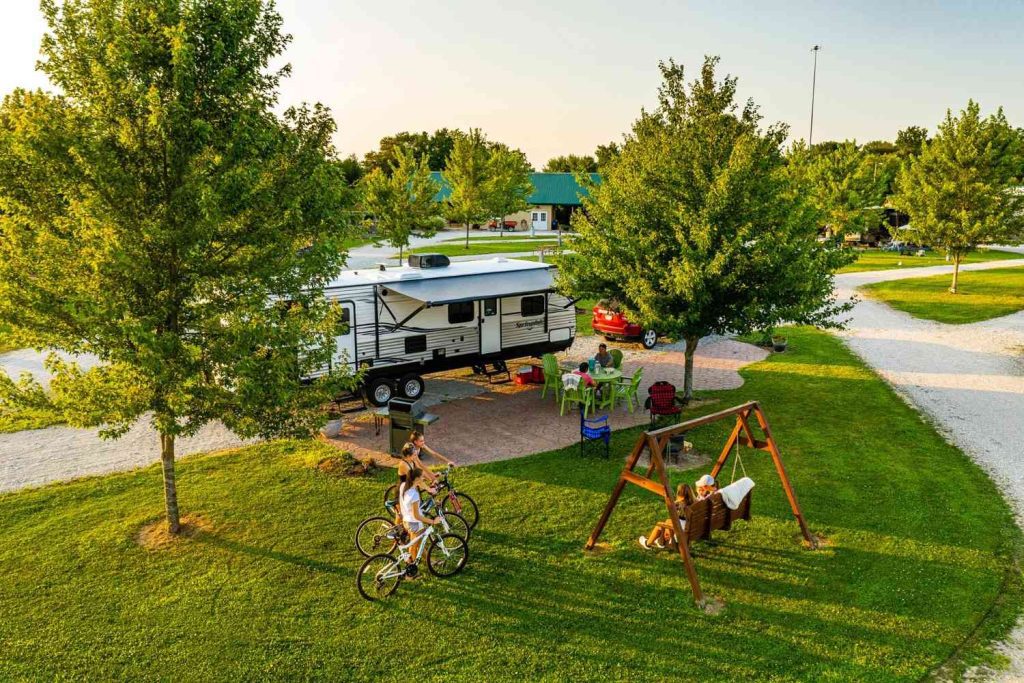
At its core, full-time RV living means using an RV as your primary residence instead of a traditional home. That could be a travel trailer, a fifth wheel, a motorhome, or a van, and it can be done solo, as a couple, or as a family.
How you travel makes a big difference to both your lifestyle and your costs. Some RVers move every few days or weeks, covering long distances and staying in nightly or weekly campgrounds.
Others travel slowly, staying in one location for a month or longer, which often lowers expenses. There are also people who mix in boondocking, public lands, or extended stays at RV parks or resorts.
It’s also important to note that full-time RV living doesn’t automatically mean “cheap.” An RV can be financed just like a house. Maintenance is ongoing, and campground costs vary widely by location and season. Two families can both live full-time in RVs and have dramatically different monthly expenses.
The True Cost of Buying and Owning a Home
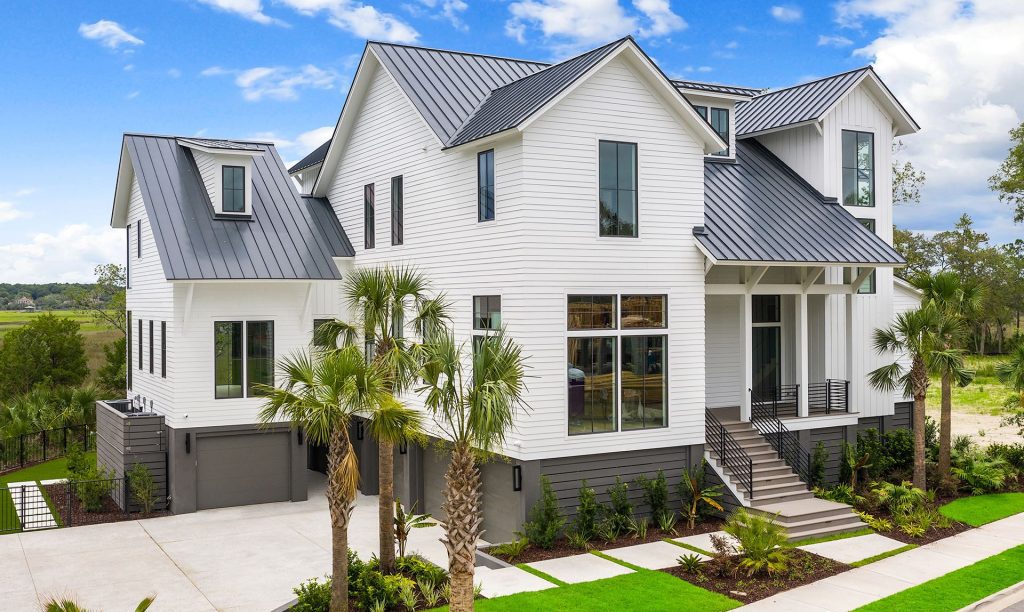
When people think about the cost of owning a home, the mortgage is usually the first thing that comes to mind. But in reality, the mortgage is just one piece of the overall expense.
To make this comparison realistic, let’s look at a common example many buyers are facing today.
Imagine purchasing a home priced around $350,000.
Upfront, most buyers will put down between 3% and 20%, depending on the loan type. That means a down payment ranging from roughly $10,500 to $70,000, plus closing costs that can add several thousand more.
Once you own the home, the monthly costs begin to stack up:
The mortgage payment itself often falls between $2,000 and $2,500 per month, depending on interest rates and loan terms. On top of that, property taxes can easily add another $300–$500 per month, depending on location. Homeowners insurance typically costs $100–$200 per month.
Then there are utilities. Electricity, water, trash, gas, and internet typically cost $300–$500 per month, sometimes more in larger homes or in extreme climates.
Maintenance is another cost many homeowners underestimate. Even when nothing “big” breaks, routine upkeep adds up.
A common rule of thumb is budgeting 1–2% of the home’s value per year for maintenance and repairs. On a $350,000 home, that’s $3,500–$7,000 annually, or roughly $300–$600 per month.
Depending on the neighborhood, HOA fees can range from $50 to several hundred dollars per month.
When you step back and look at the full picture, owning a home at this price point can realistically cost $3,000–$4,000 per month, including all expenses but not unexpected repairs or upgrades.
This doesn’t make home ownership a bad choice. For many people, the stability, space, and long-term equity are worth it. But understanding the true monthly and annual costs is important before comparing them to full-time RV living.
The True Cost of Full-Time RV Living
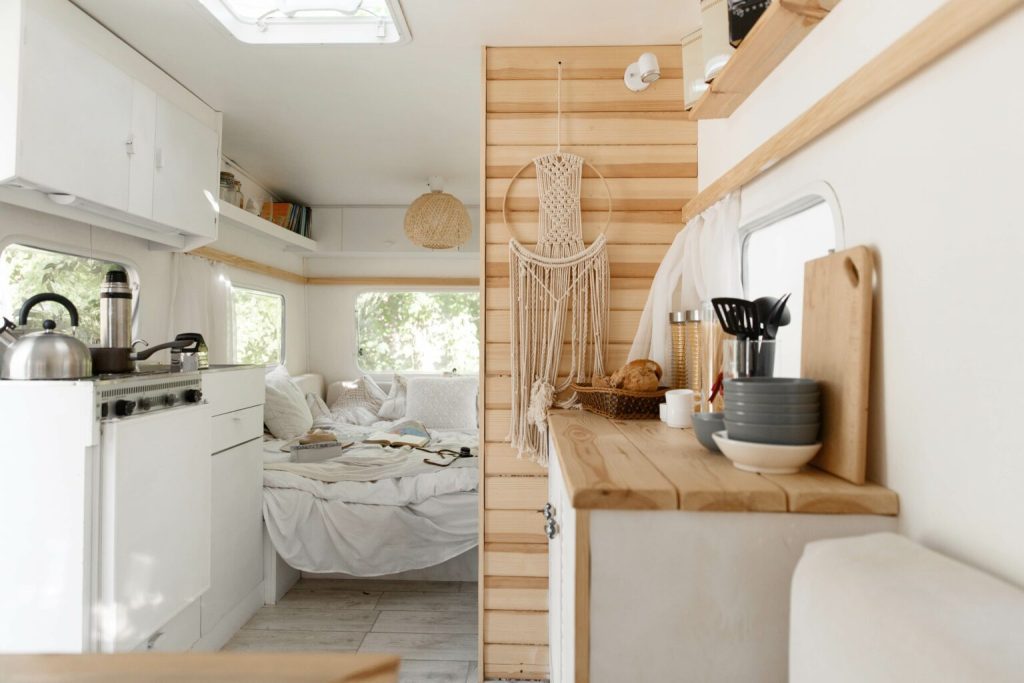
As with homeownership, the cost of full-time RV living varies widely depending on choices. The type of RV, how often you move, and where you stay all play a role.
To keep things fair, it helps to look at a few common expense categories and realistic scenarios.
RV Purchase or Payment
Some RVers buy used and pay cash. Others finance a newer rig, similar to a home loan, but usually over a shorter term. Monthly RV payments often range from $400 to $1,200, depending on the RV’s price and loan terms. Those who own their RV outright will obviously have lower fixed costs.
Campground and Site Fees
This is usually the biggest variable expense. Nightly campground rates range from $30 to $100+ per night, but most full-time RVers reduce costs by staying weekly or monthly. Monthly rates typically range from $600 to$1,200, depending on location, season, and amenities. Slower travel almost always means lower costs.
Fuel and Travel Costs
Fuel depends heavily on how often you move. Traveling every week or covering long distances can make fuel one of the largest expenses. Slower travel or longer stays can significantly reduce this. Many full-time RV families spend $200–$600 per month on fuel, though this can be higher during peak travel months.
Insurance and Registration
RV insurance is typically less than home insurance, but rates vary by RV type and coverage. Most full-time RVers spend around $100–$200 per month on insurance. Registration and taxes are typically smaller annual expenses.
Maintenance and Repairs
Maintenance is unavoidable with an RV. Tires, roof care, brakes, appliances, and general wear all add up. Some years are light, others are not. A reasonable average to plan for is $200–$400 per month, though large repairs can push that higher in certain years.
Internet and Connectivity
Reliable internet is essential for many full-time RVers. Mobile hotspots, data plans, and boosters often total $100–$250 per month, depending on setup and usage.
Example Monthly RV Living Cost
For a typical full-time RV family traveling at a moderate pace, monthly expenses often fall somewhere between $2,000 and $3,500. Those who travel slowly, own their RV outright, or boondock frequently can spend less. Those who move often or stay in higher-end RV resorts may spend more.
Full-time RV living can absolutely be less expensive than owning a home, but it’s not automatically cheap. Just like home ownership, costs depend on lifestyle choices, expectations, and how much flexibility you’re willing to build into your day-to-day life.
Side-by-Side Cost Comparison: RV Living vs Home Ownership
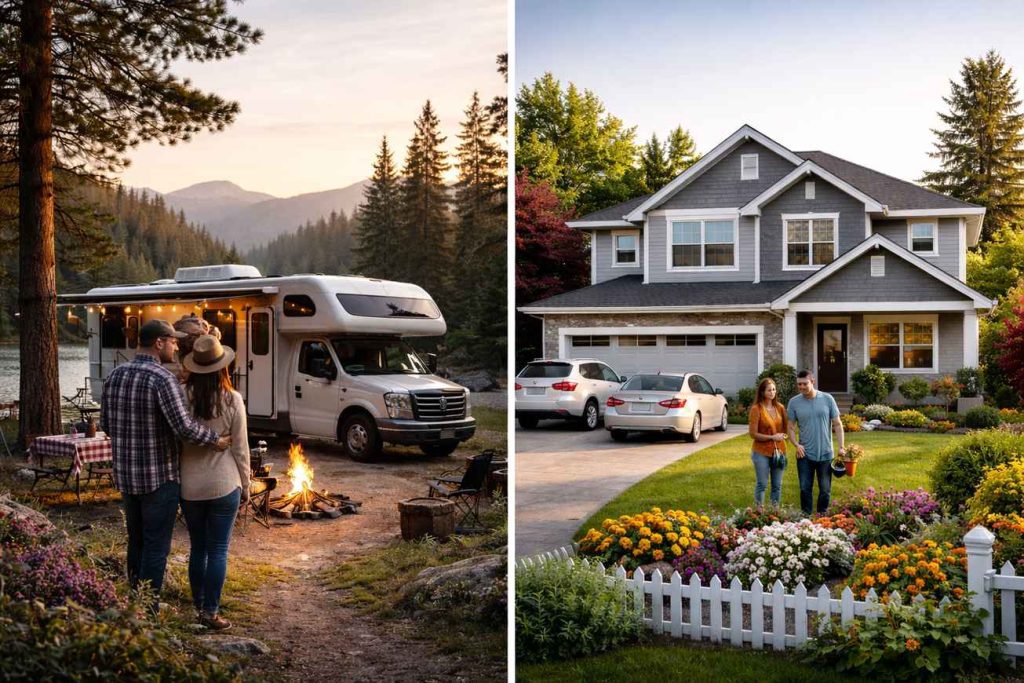
When you strip away the lifestyle differences and focus purely on numbers, the comparison becomes clearer. While every situation is different, looking at annual costs helps show how these two options typically stack up.
Using the earlier examples, a modest home priced around $350,000 often costs between $36,000 and $48,000 per year once you factor in the mortgage, taxes, insurance, utilities, and ongoing maintenance. That number can rise in areas with higher property taxes, insurance premiums, or HOA fees.
For full-time RV living, annual costs tend to fall within a wider range. A family financing an RV, staying mostly in paid campgrounds, and traveling at a moderate pace may spend somewhere between $24,000 and $42,000 per year. Those who travel frequently or prefer higher-end RV resorts may land near the upper end of that range, while slower travelers often spend less.
This is where RV living can start to look more affordable on paper. Lower fixed costs and the ability to control spending by staying put longer or choosing more budget-friendly campgrounds give RVers greater month-to-month flexibility.
However, it’s important to note that RV living doesn’t build traditional equity the way a home does. Homes tend to appreciate over time, while RVs typically depreciate. That difference alone can make home ownership the better long-term financial move for some people, even if monthly costs are higher.
At this stage, the comparison isn’t about which option is “better,” but about understanding where the money actually goes, and what trade-offs come with each choice.
Costs Most People Don’t Think About (On Both Sides)
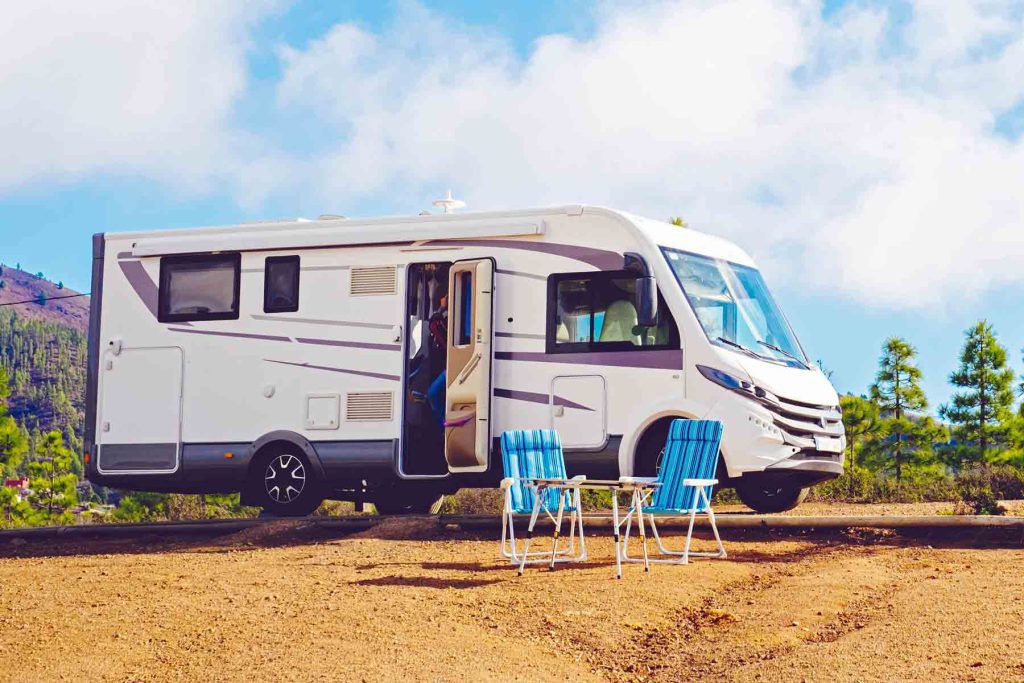
No matter which path you choose, there are always expenses that don’t show up neatly in a budget spreadsheet. These are often the costs that surprise people the most, and they’re important to factor in when comparing RV living to home ownership.
Hidden Costs of Owning a Home
With a house, many expenses show up gradually rather than all at once. Appliances eventually fail. Roofs age. HVAC systems need replacement. Even smaller things like landscaping, pest control, and routine repairs quietly add up over time.
There’s also the cost of being tied to one location. Property taxes and insurance can increase year over year, even if your mortgage stays the same. And if you ever need to move, selling a home comes with realtor fees, closing costs, and the possibility that market timing will work against you.
Hidden Costs of Full-Time RV Living
RV living has its own surprises. Repairs tend to be more frequent, even if they’re smaller in scale. Tires, seals, slides, suspension components, and appliances all take a beating on the road. While RV maintenance is often cheaper than major home repairs, it can feel more constant.
Travel itself can also create costs people don’t anticipate. Weather reroutes, last-minute campground bookings, fuel spikes, and seasonal pricing all affect monthly spending. And unlike a home, RV expenses can fluctuate significantly from one month to the next.
Another factor many people overlook is comfort spending. Eating out more often, paying for convenience, or choosing nicer campgrounds to avoid burnout can quietly raise costs if you’re not paying attention.
Why These Costs Matter
Neither lifestyle is immune to surprise expenses. The difference is how predictable those costs are. Home ownership tends to be more stable month to month, while RV living offers flexibility, but requires more active decision-making to control spending.
Understanding these hidden costs helps explain why some people feel RV living is far cheaper, while others feel it’s about the same as owning a home. It often comes down to expectations and how intentionally the lifestyle is managed.
A Hybrid Approach: Using RV Living to Save for a House
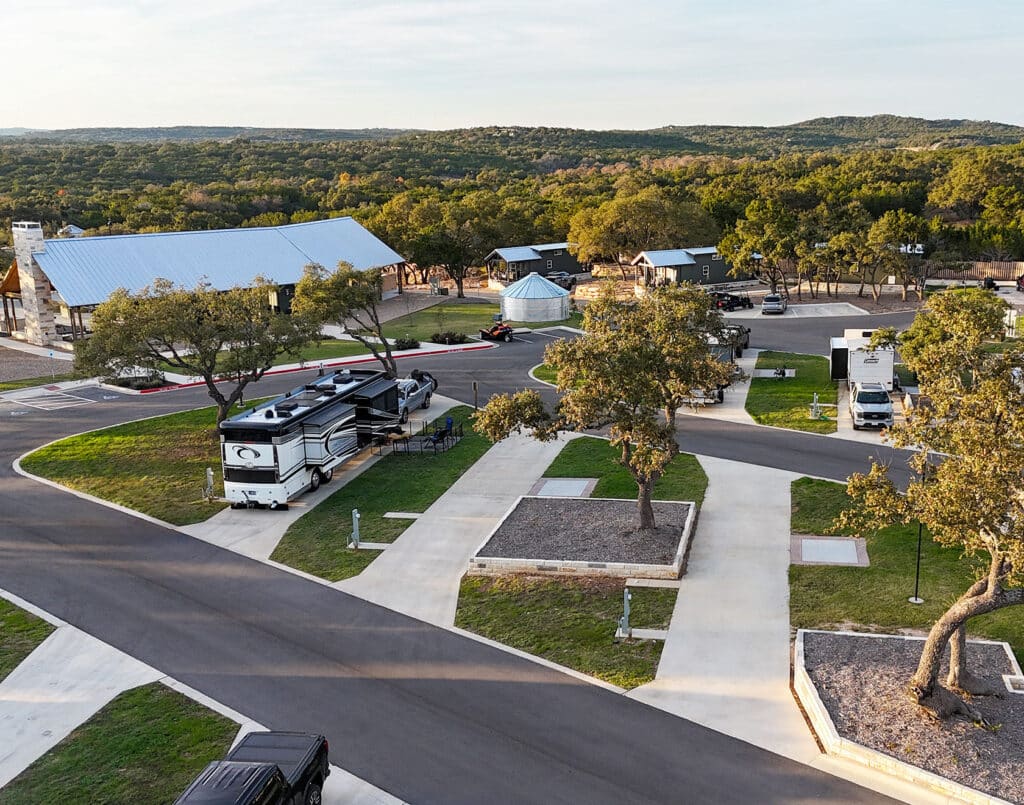
For some people, the question isn’t whether RV living is better than owning a home long term. It’s whether RV living can be a temporary strategy to reduce expenses and build savings for a future home.
This approach looks very different from the travel-heavy RV lifestyle many people picture. Instead of constantly moving, this version of full-time RV living is intentionally minimal and mostly stationary.
In this scenario, an RV is used as a primary residence while staying in one location for extended periods, often at a monthly rate. Travel is limited, fuel costs stay low, and discretionary spending is kept in check. The goal isn’t exploration, it’s stability and savings.
When done this way, monthly RV living costs can be significantly lower. Campground fees might be locked in at a predictable monthly rate, sometimes well below typical rent or mortgage payments.
Without property taxes, HOA fees, or rising insurance premiums tied to a home, many people can redirect that difference straight into savings.
This hybrid model also gives people time. Time to improve credit, wait out a competitive housing market, or build a larger down payment without feeling rushed into buying before they’re ready.
Of course, it’s not without trade-offs. Living minimally in an RV means less space, fewer comforts, and a lifestyle that requires flexibility. But for those who view it as a season rather than a permanent solution, it can be a practical way to bridge the gap between renting and home ownership.
This is one of the situations where full-time RV living is most likely to be cheaper and more intentional than owning a home.
When Full-Time RV Living Is Usually Cheaper
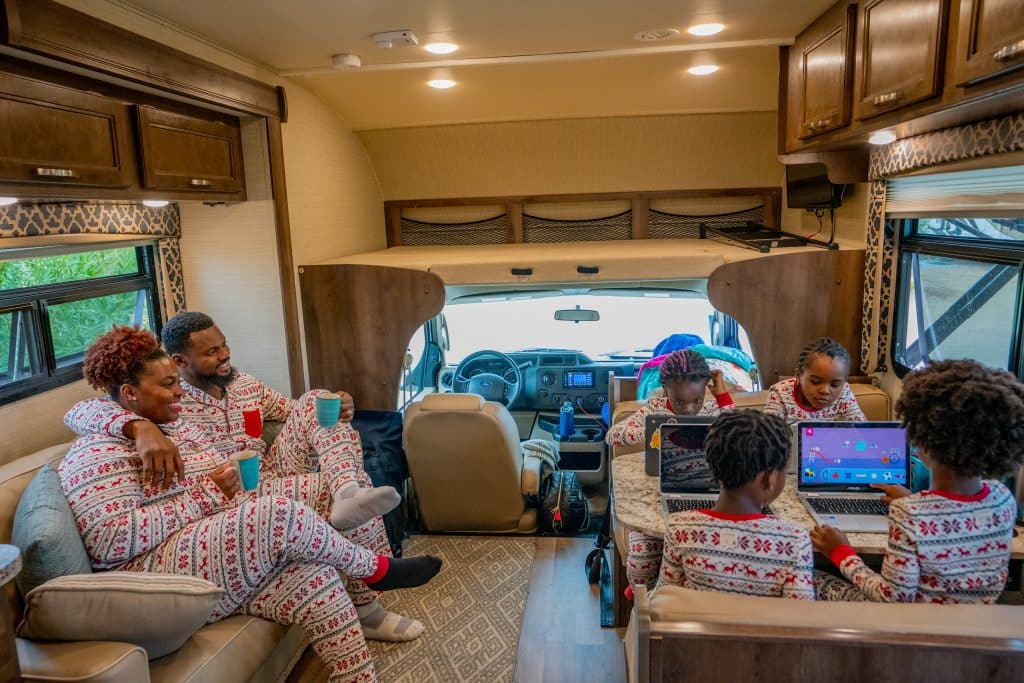
Full-time RV living tends to be more affordable in certain situations, especially when it’s approached with intention rather than impulse.
RV living is often cheaper when travel is slow and planned. Staying in one area for a month or longer usually lowers campground costs and reduces fuel expenses. Monthly rates are far more predictable than nightly stays and help keep budgets stable.
It’s also more affordable when the RV is owned outright or financed conservatively. A lower or nonexistent RV payment immediately reduces monthly overhead and makes it easier to stay below typical housing costs.
Flexibility plays a big role as well. RVers who are willing to adjust locations based on season, availability, or pricing have more control over expenses. Choosing simpler campgrounds over high-end RV resorts can make a noticeable difference over the course of a year.
Full-time RV living is also often cheaper for people who don’t need much space, aren’t tied to a specific school district, and value lower fixed costs over long-term equity. In these cases, the financial savings can be meaningful, especially when paired with intentional budgeting.
When Owning a Home Is Usually the Better Option

Owning a home often makes more sense when long-term stability is the priority.
For families who want consistent access to schools, healthcare, and community, the predictability of home ownership can outweigh the higher monthly costs. Homes also offer more space, privacy, and the ability to customize without the constraints of RV living.
Financially, home ownership becomes more attractive over longer time horizons. While monthly costs may be higher, homes typically appreciate over time, allowing owners to build equity. For people planning to stay in one place for many years, this long-term value can outweigh the short-term savings of RV living.
Home ownership can also feel less mentally demanding. While unexpected repairs still occur, costs are generally more predictable month to month than the fluctuations associated with travel, campground availability, and seasonal RV expenses.
In these situations, paying more each month may actually feel easier and more sustainable than managing the constant variables of full-time RV living.
It’s Not Just About the Money
While cost is often the starting point for this conversation, it’s rarely the final deciding factor.
Full-time RV living offers flexibility that traditional home ownership doesn’t. You can change scenery, adjust your pace, and design your days differently. For some people, that freedom offsets the smaller living space and the hands-on nature of RV life.
Home ownership, on the other hand, offers roots. Familiar routines, consistent neighbors, and the comfort of knowing exactly where you’ll be next month and next year. For many, that stability is worth the added expense.
It’s also worth considering how each lifestyle affects your time and energy. RV living can require more active planning and problem-solving. Home ownership often feels quieter and more predictable, even when costs are higher.
Neither option is better overall. They simply support different seasons of life.
How to Decide What’s Right for You
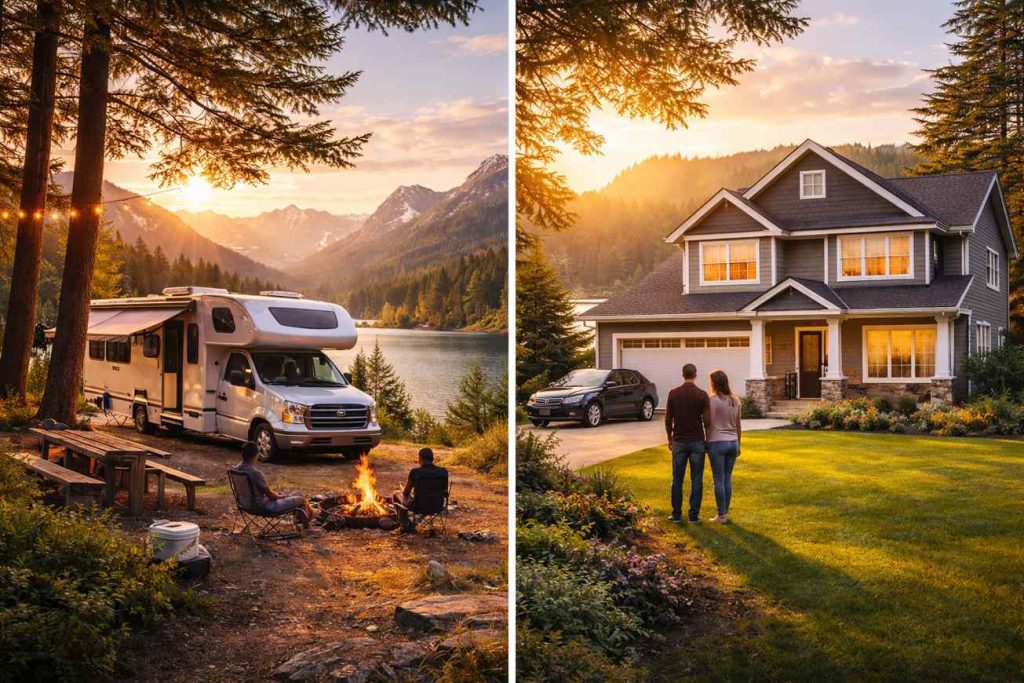
Instead of asking which option is cheaper overall, a better question is which option best supports your goals right now.
Are you trying to lower monthly expenses temporarily to save for a house?
Do you value flexibility more than space?
Are you comfortable with variable costs, or do you prefer predictable ones?
Is this a long-term plan or a short-term strategy?
Answering those questions honestly will usually make the choice clearer than any spreadsheet.
For some, full-time RV living is a long-term lifestyle that aligns well with their preferences. For others, it’s a practical, intentional step toward future home ownership. And for many people, owning a home remains the right choice from the start.
Final Thoughts
So, is full-time RV living cheaper than owning a home?
Sometimes, yes. Sometimes, no. And often, it depends on how intentionally either option is approached.
Both paths come with real costs, real benefits, and real trade-offs. The best choice isn’t the one that looks cheapest on paper; it’s the one that fits your finances, your priorities, and the season of life you’re in.
That clarity is what ultimately makes either decision feel right.
Frequently Asked Questions
Is full-time RV living really cheaper than owning a home?
It can be, but it depends on how you live. Full-time RV living is often cheaper for people who travel slowly, stay in one location for longer periods, or use it as a temporary lifestyle to reduce expenses. For others, costs can be similar to owning a home.
How much does full-time RV living cost per month?
Monthly costs typically range from about $2,000 to $3,500, depending on RV payments, campground fees, fuel, maintenance, and travel style. Living minimally and limiting travel can bring costs closer to the lower end.
Is RV living cheaper than renting a house or apartment?
In some cases, yes. RV living can be cheaper than renting, especially in high-cost areas. However, costs vary widely based on campground rates, travel habits, and RV ownership costs.
Do you save money living in an RV long-term?
Some people do, especially when RV living is used intentionally to lower fixed expenses or save for a house. Long term, it’s important to remember that RVs depreciate, while homes often build equity.
Is RV living a good way to save for a house?
For many people, yes. Living full-time in an RV while staying mostly in one place can reduce monthly expenses and help build savings for a future home, especially when compared to renting or carrying a high mortgage.

Lauren Gamble is a wife, mother, and seasoned entrepreneur with a background in digital, affiliate marketing, and content creation. She and her husband run multiple remote businesses that give their family the freedom to live and travel full-time in their RV. As a homeschooling mom, Lauren is passionate about creating a life rich in experiences and connection. Through Time to RV, she shares her family’s journey, along with practical insights, travel tips, and resources to help others explore the road less traveled, without sacrificing stability or success. Lauren and her family have been full-time RVing since November 2024.
How We Review: At Time to RV, we only recommend products and places we have personally used or visited. Our reviews are based on real-life testing during our full-time travels. We never accept payment for a positive review; our goal is to give you the honest truth so you can hit the road with confidence.