Key Takeaways
- RV living, once an affordable lifestyle, is becoming more expensive due to rising campground rates, fuel costs, and maintenance expenses.
- The increase in RV living costs is driven by factors like increased demand, corporate ownership of RV parks, and more complex and expensive RVs.
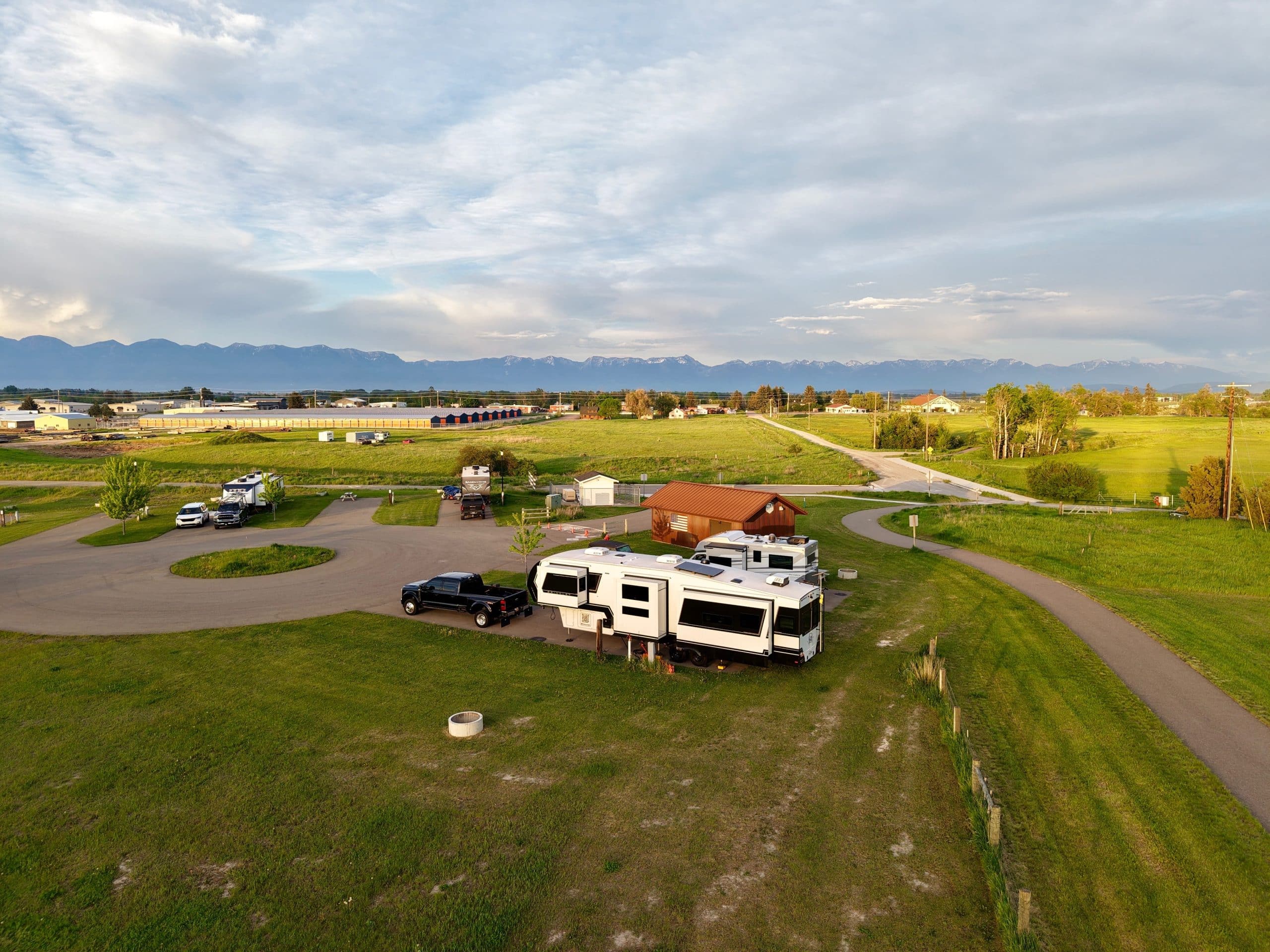
- Many RV parks are transitioning into resort-style destinations, offering amenities that drive up costs, and RVs are built more like luxury apartments.
The Changing Perception of RV Living
For decades, RV living carried a simple promise: freedom without the price tag of traditional housing. Fewer bills, fewer commitments, and the ability to move with the seasons made it an attractive alternative to homeownership.
That perception is starting to crack with the rising costs of RV living.
What was once marketed and genuinely experienced as an affordable lifestyle is increasingly feeling like a premium one. Campground rates rival apartment rent in some areas. Fuel costs dictate travel decisions. Even basic maintenance and insurance now come with sticker shock.
RV living hasn’t lost its appeal, but it has lost its automatic affordability.
This shift matters because many people still enter the RV lifestyle expecting significant cost savings. Instead, they’re discovering a version of RV life that looks less like minimalist freedom and more like a mobile, amenity-driven experience with a price tag to match.
The question is no longer “Can you live cheaply in an RV?”
It’s “What kind of RV life can you afford?”
When RV Living Was Actually Affordable
Not that long ago, RV living genuinely earned its reputation as a budget-friendly lifestyle.
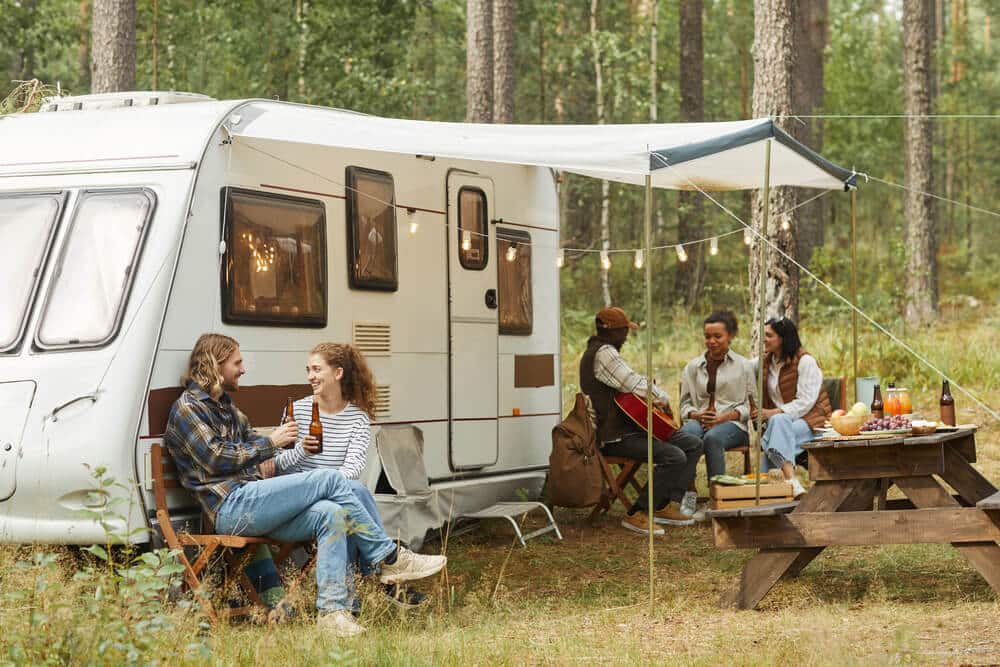
Campgrounds were plentiful and inexpensive. Monthly rates were often a fraction of local rent, especially outside of peak seasons. Fuel was cheaper, rigs were simpler, and many RVers were willing to trade comfort for cost savings without feeling like they were giving up much.
Boondocking was easier and less regulated. Free or low-cost public land was widely accessible, and competition for sites was minimal. You could travel slowly, stay longer, and stretch a modest budget without much strategy.
RV ownership itself was also more attainable. Fewer high-tech systems meant lower upfront costs and fewer expensive repairs. Maintenance was more mechanical than digital, and many owners could handle fixes themselves.
Most importantly, expectations were different.
RV living wasn’t framed as a luxury experience. It was practical, sometimes scrappy, and intentionally simple. You didn’t need resort pools, high-speed internet, or residential appliances to feel like the lifestyle was “working.”
That era shaped the stories many people still hear today, stories that don’t always match the reality new RVers are stepping into now.
The Biggest Factors Driving RV Living Costs Up
The rising cost of RV living isn’t tied to one single issue. It’s the result of several shifts happening at the same time, some obvious, others less talked about.
Campground and RV Park Rates
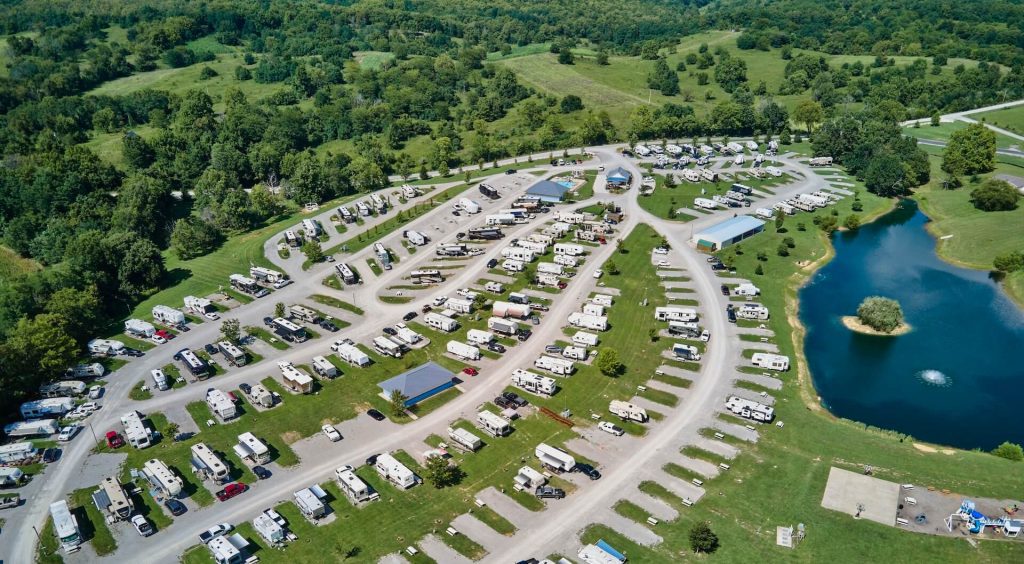
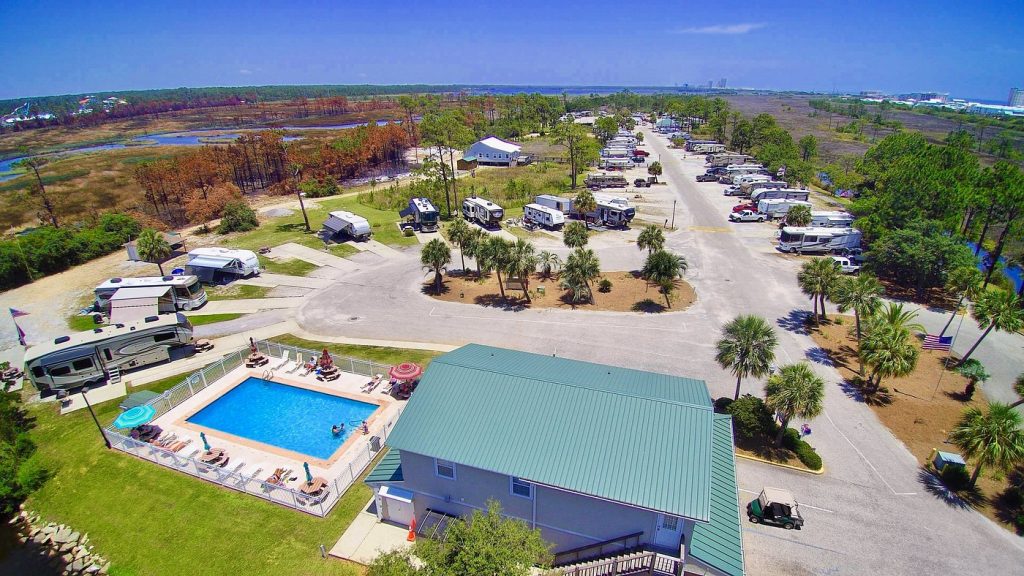
Campground pricing has changed dramatically. Private parks have raised nightly and monthly rates, especially in popular travel regions and during peak seasons. Many parks that once catered to long-term or budget travelers are now repositioning themselves as resort-style destinations, complete with amenities and resort-level pricing.
Even public campgrounds aren’t immune. Increased demand, tighter regulations, and reservation systems have made affordable options harder to secure.
Fuel Costs and Travel Limitations
Fuel is one of the most volatile RV expenses. Larger rigs, tow vehicles, and frequent travel can quickly push monthly costs higher. Rising fuel prices don’t just affect the budget; they also change how and when people travel, leading to shorter trips, slower travel, or longer stays in one location.
Maintenance, Repairs, and Labor
Modern RVs are more complex than ever. Slide systems, electronics, residential appliances, and advanced suspensions all come with higher repair costs. Labor rates have risen, parts are more expensive, and service delays often mean paying for temporary lodging or extended stays while waiting on repairs.
Insurance, Registration, and Storage
Insurance premiums have increased, especially for full-time RVers and higher-value rigs. Registration fees vary by state but can be substantial, and off-season storage costs add another layer for those who don’t travel year-round.
Connectivity and Daily Living Expenses
Reliable internet is no longer optional for many RVers, particularly remote workers and families. Mobile data plans, boosters, and backups come at a cost. Add groceries, propane, and everyday living expenses, often in tourist-heavy areas, and the monthly total climbs quickly.
Individually, these costs might feel manageable. Together, they redefine what “affordable RV living” actually looks like.
What RV Living Really Costs Today
One of the biggest disconnects in RV living is between expectations and reality. Many people still hear stories of RVers living on a few hundred dollars a month. While that can happen in very specific situations, it’s no longer the norm for most full-time travelers.
Today, realistic RV living costs often land much higher.
A modest, slower-paced RV lifestyle, staying longer in one place, choosing budget parks, limiting travel, can still come in on the lower end. But even then, monthly costs commonly fall in a range that surprises newcomers.
On the other end of the spectrum, RVers who move frequently, stay in private parks, travel during peak seasons, or own larger, newer rigs may find monthly expenses that rival or exceed those of traditional housing.
The biggest variable is not whether someone lives in an RV, but how they live in it.
Campground fees and fuel tend to be the largest line items, followed closely by insurance, maintenance, and daily living expenses. One unexpected repair or rate increase can quickly shift a “comfortable” budget into stressful territory.
What’s clear is this: RV living is no longer automatically cheaper than renting or owning a home. In many cases, it’s simply a different way of spending money, trading square footage for mobility, and predictability for flexibility.
How RV Living Quietly Shifted Toward a Luxury Experience
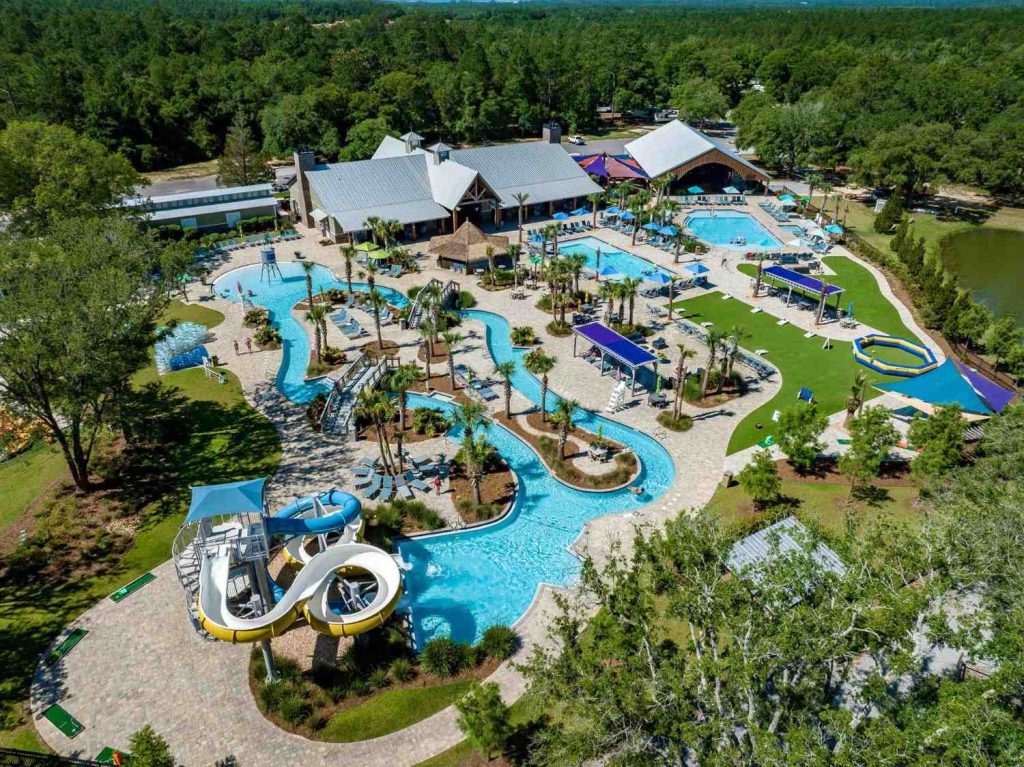
The RV lifestyle didn’t become more expensive overnight. It evolved, slowly, subtly, and in ways that felt optional at first.
Manufacturers began building rigs that looked less like campers and more like high-end apartments on wheels.
Residential refrigerators, fireplaces, solid-surface countertops, multiple air conditioners, washer-dryer hookups, and advanced electronics became standard selling points. With those upgrades came higher purchase prices, higher insurance premiums, and higher repair costs.
At the same time, campgrounds followed suit.
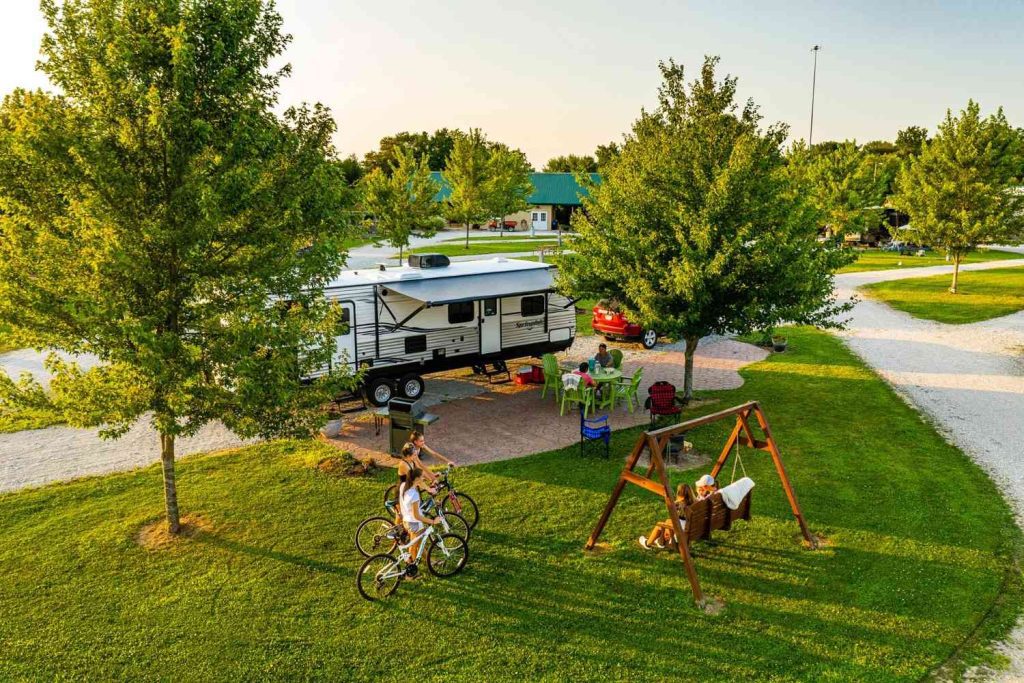
Many private parks repositioned themselves as RV resorts. Pools, pickleball courts, dog parks, clubhouses, curated events, and premium landscaping replaced bare-bones hookups.
These amenities are appealing, but they also drive rates well beyond what RVers once considered “normal.”
Even expectations within the RV community shifted.
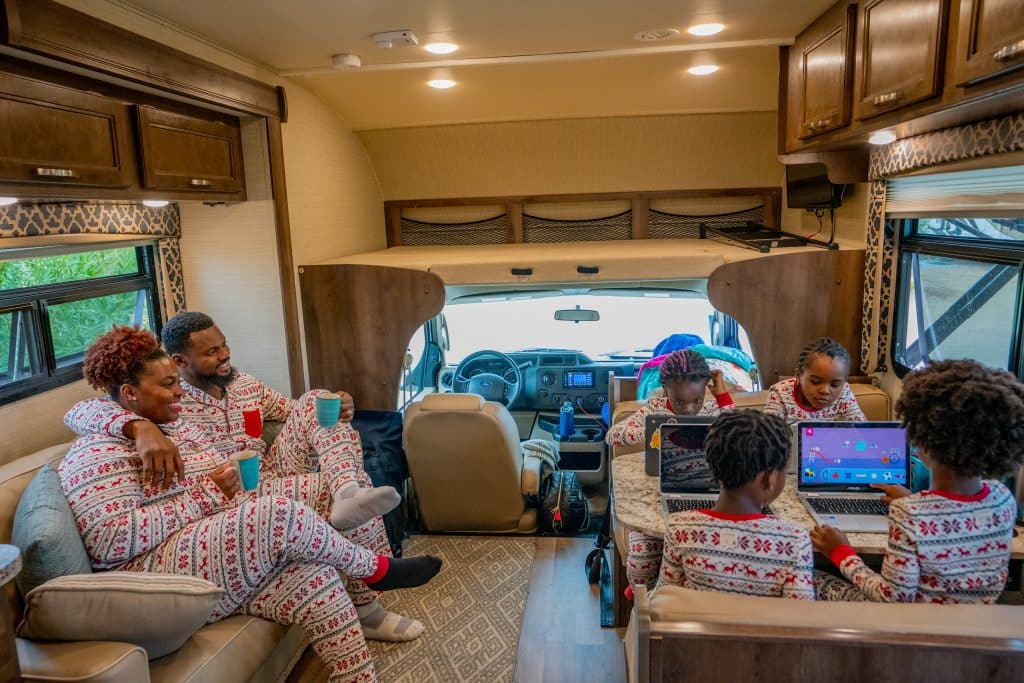
Reliable high-speed internet, streaming services, climate control, and spacious layouts are now seen as necessities rather than luxuries, especially for families and remote workers.
Staying connected and comfortable on the road comes with recurring costs that didn’t exist for earlier generations of RVers.
The result is a lifestyle that can still be simple, but increasingly defaults to upscale.
RV living hasn’t lost its freedom, but it has gained layers of convenience, polish, and expectation. And every one of those layers carries a price.
Why RV Living Costs Are Rising (Beyond Inflation)
It’s easy to blame rising RV living costs on inflation alone, but the reality is more complex. Several long-term shifts are reshaping the RV landscape simultaneously.
Demand for RV travel has surged. More people are choosing RVs for full-time living, extended travel, or seasonal stays. That increased demand has put pressure on campgrounds, public lands, and service providers, especially in desirable locations and during peak seasons.
Ownership of RV parks has also changed. Many small, independently owned parks have been purchased by large investment groups. These corporate owners often prioritize higher margins, standardized pricing, and upgraded amenities, which naturally push rates higher.
The RVs themselves have become more expensive to build and maintain. Supply chain disruptions, labor shortages, and increased material costs affect everything from replacement parts to repair timelines.
What might once have been a quick, inexpensive fix can now become a costly, time-consuming repair.
Insurance markets have tightened as well. Larger rigs, higher replacement values, and increased claims have led to rising premiums, particularly for full-time RVers. Some insurers have become more selective, further limiting affordable options.
Finally, RV living is no longer a niche lifestyle. Social media, remote work, and digital nomad culture have made it mainstream. That visibility has increased interest and competition for the very resources that once made the lifestyle inexpensive.
The rising costs aren’t accidental. They’re the result of RV living becoming more popular, more polished, and more commercially valuable.
What the Future of RV Living Likely Looks Like
RV living isn’t disappearing, but it is changing.
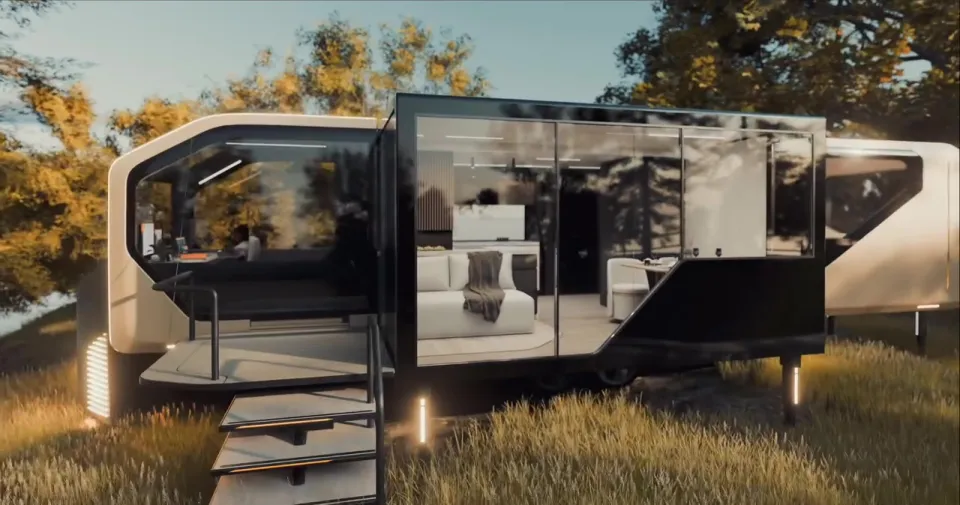
The gap between budget-friendly RVing and luxury RV living is likely to widen. On one end, high-end rigs and resort-style parks will continue to grow, catering to travelers who want comfort, amenities, and predictability. On the other hand, more cost-conscious RVers will need to be intentional, flexible, and strategic to keep expenses manageable.
Campground availability will likely remain tight in popular regions. Reservation systems, seasonal pricing, and minimum stay requirements may become more common, especially at private parks. Affordable options will still exist, but they’ll require planning and trade-offs rather than spontaneity.
We may also see a shift toward slower travel. Fewer miles, longer stays, and more regional living can help offset fuel and nightly fees. For many RVers, the future may look less like constant movement and more like rotating between a handful of preferred locations.
Technology will continue to play a role. Better connectivity, smarter energy systems, and improved solar and battery setups may reduce some recurring costs, but they often require higher upfront investment.
Ultimately, RV living is becoming less about escaping costs entirely and more about choosing which costs matter. Freedom, mobility, and lifestyle flexibility still have value, but they now come with clearer financial boundaries.
How RVers Are Adapting to Keep Costs Under Control

As RV living becomes more expensive, many RVers aren’t opting out; they’re adjusting.
One of the biggest shifts is traveling less. Slower travel reduces fuel costs, wear and tear, and the pressure to secure last-minute campgrounds. Longer stays often unlock lower nightly or monthly rates and create more predictable budgets.
Boondocking and low-amenity camping are making a comeback for cost-conscious travelers. While not for everyone, mixing in free or low-cost stays helps offset higher-priced parks and gives RVers more flexibility when peak-season rates spike.
Memberships and discount programs have also become essential tools rather than optional extras. RVers are stacking discounts, planning routes around membership parks, and choosing destinations where their passes provide the most value.
Many RVers are becoming more hands-on with maintenance. Learning basic repairs, preventative upkeep, and system monitoring can significantly reduce service bills and downtime. Preventing one major repair often saves more than months of careful budgeting.
Finally, expectations are being recalibrated. Not every stop needs to be a resort. Not every trip needs to be peak season. RVers who thrive in the long term are often those willing to trade convenience for sustainability.
The lifestyle still works, but it works best for those who treat it as a strategy rather than a shortcut.
Is RV Living Still Worth It?
RV living is no longer the automatic cost-saver it once was, but that doesn’t mean it’s lost its value.
The appeal has shifted. Instead of being a guaranteed cheaper alternative to traditional housing, RV living is now a lifestyle choice that requires intention, planning, and realistic expectations. For some, the freedom to move, explore, and live on their own terms still outweighs the rising costs. For others, the financial trade-offs may no longer make sense.
What matters most is alignment.
RV living works best when the lifestyle matches the budget, not the other way around. Those who approach it with flexibility, willing to travel slowly, skip peak seasons, and redefine what “comfort” looks like, often find it sustainable and rewarding.
As the RV world continues to evolve, affordability will depend less on the rig you own and more on the choices you make. RV living hasn’t become unattainable, but it has become more honest.
And for many RVers, that clarity is worth more than the savings ever were.
FAQ: Rising Costs of RV Living
Is RV living still cheaper than owning a home?
It depends. RV living can still be cheaper in certain situations, but for many full-time RVers today, costs are comparable to renting or owning a home, especially when factoring in campground fees, fuel, insurance, and maintenance.
Why have RV parks become so expensive?
Increased demand, limited campground supply, and the rise of resort-style parks have driven prices up. Many parks are now owned by large corporations that prioritize amenities and higher nightly rates.
Can you still live cheaply in an RV?
Yes, but it requires intention. Slower travel, off-season stays, boondocking, and choosing lower-amenity parks are key strategies for keeping costs down.
What is the biggest expense for most RVers?
Campground fees and fuel are typically the highest recurring costs, followed by insurance, maintenance, and daily living expenses.
Will RV living continue to get more expensive?
Costs are likely to keep rising in popular areas and peak seasons. However, RVers who adapt their travel style and expectations can still make the lifestyle work financially.
How We Review: At Time to RV, we only recommend products and places we have personally used or visited. Our reviews are based on real-life testing during our full-time travels. We never accept payment for a positive review; our goal is to give you the honest truth so you can hit the road with confidence.