Key Takeaways
- Starlink updated its privacy policy with more transparency around data sharing, especially concerning AI tools.
- Starlink now clearly states that some personal information may be used by third-party collaborators for AI model training, with an opt-out option for residential users.
- The policy clarifies how certain data processing might be considered “sharing” or “sale” under state privacy laws, primarily for legal compliance.
“Wait… Is Starlink Using My Data?”
If you’re a full-time RVer like us, Starlink isn’t just internet; it’s survival.
It’s how we upload YouTube videos, run our businesses, homeschool, navigate, stream, and occasionally argue with customer support while parked in the middle of nowhere.
So when headlines start floating around about Starlink privacy policy updates and mentioning AI data sharing, it’s normal to pause and think:
“Wait… what exactly changed?”
Are they using our data?
Are they training AI on everything we browse?
Is this something RVers need to worry about?
We dug into the updated January 2026 policy so you don’t have to read 20 pages of legal language. In this article, we’re breaking it down in plain English, what changed, what didn’t, what it means for RVers, and whether you should opt out.
Spoiler: this isn’t a panic situation. But it is something worth understanding.
If Starlink is your lifeline on the road (or your main internet at home), here’s what you need to know.
What Actually Changed in Starlink’s Privacy Policy (January 2026)
Here’s the simple version.
Starlink didn’t suddenly announce that they’re reading your emails or tracking every website you visit. What they did change is how clearly they explain data sharing, especially around AI tools.
1. More Transparency Around Third-Party Partners
Starlink updated its policy to clarify that, in some cases, personal information may be shared with “trusted third-party partners.” Some of those partners may help develop AI-enabled tools designed to improve customer experience.
That phrase sounds big and scary. In reality, this usually refers to backend systems that support automation, performance optimization, or service improvements.
Still, it’s new enough, and AI is buzzword-heavy enough, that it caught people’s attention.
2. AI Training Disclosure + Opt-Out Option
This is the headline change.
Starlink now clearly states that some personal information may be used by third-party collaborators for AI model training.
But:
- Enterprise customers are automatically opted out.
- Government accounts are not used for AI training.
- Regular residential users can opt out manually in their account settings.
The key shift here isn’t necessarily new behavior; it’s clearer disclosure and a defined opt-out process.
3. California “Sharing” vs. “Sale” Clarification
For California residents (and other states with privacy laws), Starlink explains how certain data processing might legally be considered “sharing” or “sale” under state law, even if they’re not literally selling your information in the traditional sense.
Translation: this is largely legal compliance language to align with modern state privacy laws.
4. Clearer Opt-Out Instructions
The update also makes it very clear how to opt out of AI-related data sharing, both in the app and on the website.
We’ll walk through that step-by-step later in this article, so you don’t have to dig for it.
Is Starlink Using Your Internet Data for AI?
This is the part everyone jumps to.
Short answer:
No, Starlink is not sharing your browsing history with AI models.
The updated policy specifically states that your internet history, including individual browsing habits and geolocation tracking, is not shared with AI systems. They also state they comply with laws prohibiting unauthorized surveillance.
So what can be used?
Starlink collects two main categories of data:
1. Account Information
- Name
- Address
- Payment details
This is standard for any internet provider.
2. Technical & Performance Data
- IP address
- Service performance data
- Diagnostic traffic
- Network usage metrics
This type of information helps them:
- Keep your connection stable
- Manage congestion
- Improve service reliability
- Develop support tools (including AI-enabled tools)
The important distinction here:
They’re not feeding “what websites you visit at 11:37 PM” into an AI model.
They may use account-level or technical data to improve systems, customer experience tools, and backend operations, unless you opt out.
For RVers especially, the key thing to understand is this:
This is about infrastructure and service optimization, not surveillance of your Netflix queue while parked in Utah.
What This Means for RVers (Real Talk)
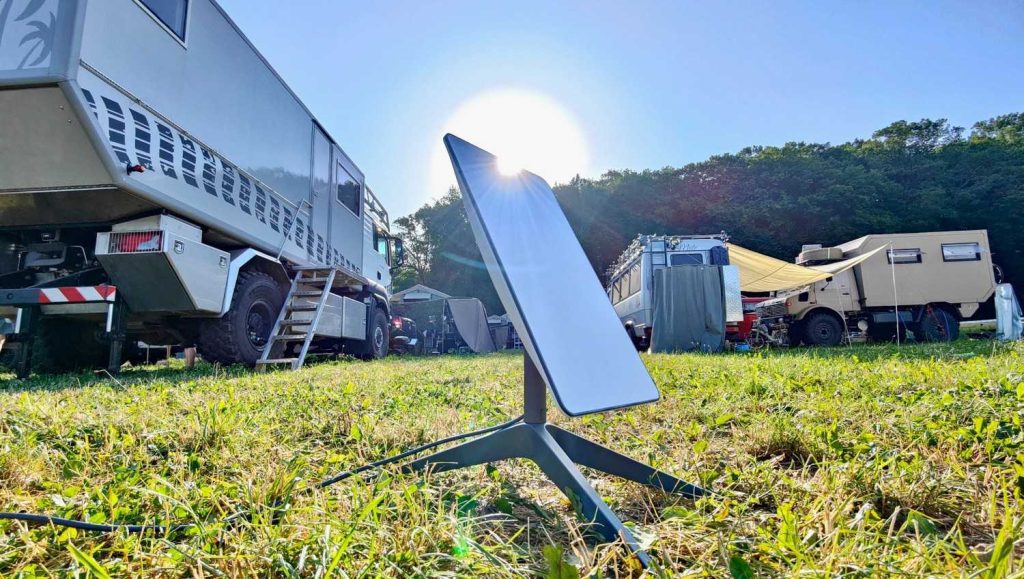
If you’re using Starlink like we are, full-time, on the road, running businesses, and uploading videos from random campgrounds, this update doesn’t change how your internet works day to day.
Your browsing history isn’t being shared. Your location while boondocking isn’t being used by the AI. Your streaming habits aren’t being analyzed for training models.
What is happening? Starlink may use account and technical performance data to improve systems, unless you opt out.
From our perspective as full-time RVers:
- This doesn’t affect speeds.
- It doesn’t affect coverage.
- It doesn’t change how we use Starlink.
- It doesn’t mean someone is watching what you’re doing online.
The bigger real-world factors for RVers are still:
- Congestion in busy RV areas
- Snowbird season slowdowns
- Plan limits and priority data
This privacy update is primarily about transparency and compliance, not a functional change to your service.
What This Means for Non-RVers
Even if you’ve never stepped foot in an RV, this update still matters, especially if Starlink is your primary home internet.
For rural homeowners, digital nomads, remote workers, and small business owners, the takeaway is the same:
- Your browsing history is not being used for AI training.
- Account and technical data may be used to improve systems.
- You have the option to opt out.
This isn’t unique to satellite internet. Nearly every major tech company today uses aggregated or account-level data to improve tools, automate support, or build AI-driven features.
The difference here is that Starlink made it clearer and gave users a visible opt-out path.
So whether you’re parked in the desert or sitting in a farmhouse miles from fiber, the practical impact is minimal. The bigger story is transparency and user choice.
The Acceptable Use Policy: What Can Get Your Starlink Suspended?

This part didn’t get flashy headlines, but it’s just as important.
Alongside the privacy update, Starlink’s Acceptable Use Policy (AUP) outlines what can result in suspension or termination of service.
In plain English, here’s what will get you in trouble:
- Hacking, spoofing, or trying to access systems without permission
- Spamming or launching denial-of-service attacks
- Uploading viruses or malicious code
- Copyright infringement (repeat offenders can be terminated)
- Illegal or harmful content
- Activity that harms the Starlink network or other users
They also reserve the right to restrict or suspend service if your activity:
- Violates laws
- Interferes with other customers
- Creates network congestion
- Puts them at legal risk
For most RVers and regular users, this is common-sense stuff. If you’re working remotely, streaming, uploading videos, homeschooling, or browsing normally, you’re fine.
But it does reinforce something important:
Starlink manages its network. If someone abuses it, they can act quickly, sometimes without notice.
Network Management, Data Limits & Speeds (The Stuff You Actually Notice)
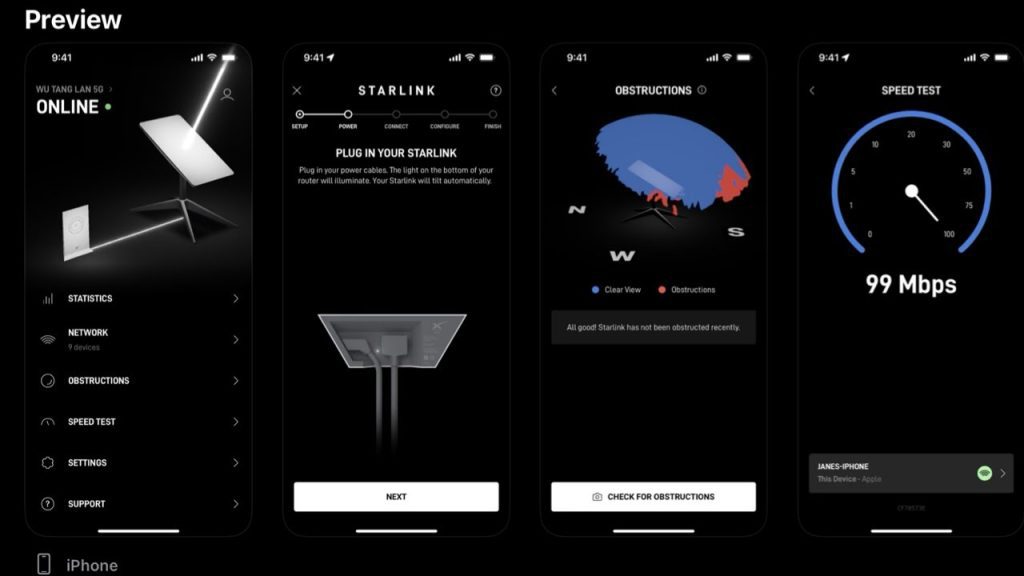
Here’s what impacts RVers far more than privacy language: congestion and data management.
Starlink openly states that it uses reasonable network management to balance supply and demand. Translation? There are only so many satellites overhead, and demand fluctuates based on location and time of day.
What that means in real life:
- Speeds are not guaranteed.
- Performance may dip during peak usage periods.
- Busy RV hubs and snowbird hotspots may see slowdowns.
- Certain plans prioritize data differently.
They also track monthly data usage. If you reach your service plan limits, you can purchase or opt in to Top-Up Data in the app. That usage even includes automated diagnostic traffic you didn’t personally initiate.
For RVers parked in popular areas, this is the bigger factor to understand. Not AI. Not privacy headlines. Just network load.
Starlink is still a finite satellite resource, even if it feels like magic when it works.
Should You Opt Out of AI Data Sharing?
This is where it gets practical.
Starlink allows residential users to opt out of having their data used by third-party collaborators for AI model training.
The question is: should you?
Here’s a grounded way to think about it.
If you’re someone who:
- Prefers minimal data sharing whenever possible
- Is cautious about AI development in general
- Lives in a state with strong privacy laws and wants maximum control
…opting out might make you feel better. And that’s reason enough.
If you’re someone who:
- Doesn’t mind aggregated technical data being used to improve systems
- Trusts that browsing history isn’t being shared
- Just wants reliable internet and isn’t overly concerned
…you may decide it’s not a big deal.
From our perspective as full-time RVers?
This update didn’t feel dramatic. But we appreciate having the option. More transparency and a clear opt-out path are preferable to none.
The good news: opting out does not affect your speeds, coverage, or service performance. It simply removes your account from AI-related data sharing with third-party collaborators.
If you decide to opt out, it only takes a couple of minutes in your account settings.
How to Opt Out of Starlink AI Data Sharing
If you’ve decided you’d rather opt out, the process is pretty straightforward. No legal paperwork. No support tickets. Just a few clicks.
Option 1: In the Starlink App
- Open the Starlink app.
- Tap the menu icon (top-left corner).
- Tap Profile, then Account Overview.
- Scroll to Settings and tap Edit Profile.
- Scroll down to the privacy section.
- Uncheck the box related to AI data sharing.
- Tap Save.
- Enter the multi-factor authentication (MFA) code you received.
Option 2: On the Starlink Website
- Log in to your Starlink account.
- Click the menu icon (top-right).
- Select My Account.
- Click Settings.
- Click Privacy Preferences.
- Uncheck the box.
- Enter your MFA code.
That’s it.
No service interruption. No performance changes. Just a preference toggle.
Whether you’re parked at a remote campsite or sitting at your kitchen table, it takes about two minutes.
Is Starlink Less Private Than Other Internet Providers?

Short answer? Not really.
Most internet service providers collect basic account information and technical performance data. Many also use aggregated data to improve systems, automate support, detect fraud, or optimize networks.
The difference with Starlink right now isn’t that they’re doing something radically different; it’s that they’ve updated their language to reflect how AI tools are increasingly integrated into backend systems.
That’s not unique to satellite internet. It’s happening across tech.
A few key points to keep in perspective:
- They state your browsing history is not shared for AI training.
- They encrypt data transmitted to and from your Starlink equipment.
- They outline how long account data is retained (generally life of the account + 2 years).
- They provide opt-out options.
If anything, clearer disclosure is a sign of modern compliance, especially given the expansion of privacy laws in states such as California.
From what we see, this isn’t Starlink suddenly becoming invasive. It’s Starlink formalizing language around practices that most major providers already have in place.
Our Take as a Full-Time RV Family
It powers our work, our uploads, our homeschool setup, our maps, and yes… our Netflix nights in the middle of nowhere.
When the privacy update was released, we paid attention.
After reading through it, here’s where we landed:
- This isn’t a dramatic shift in how the service works.
- Your browsing history isn’t being handed to AI.
- You now have a clear opt-out option.
- The bigger real-world concern for RVers is still congestion, not privacy headlines.
Are we canceling Starlink? No.
Are we panicking? Also no.
Are we glad they clarified things and gave users more control? Yes.
Most of us are far more likely to get frustrated by slow speeds during snowbird season than by backend AI training language.
Ultimately, this feels like a transparency update, not a red flag.
And if you want to opt out, you can. If you don’t, your service works the same either way.
FAQ: Starlink Privacy Policy Update (2026)
Is Starlink selling my data?
Starlink states that it does not sell your personal information in the traditional sense. Some data sharing may be legally classified as “sharing” or “sale” under certain state privacy laws (such as California’s), but that doesn’t mean your browsing history is being sold to advertisers.
Does Starlink track my browsing history?
Starlink states that your internet browsing history, individual habits, and geolocation tracking are not shared with AI models.
Like most internet providers, they may collect technical network data to manage performance, but not the specific websites you visit for AI training purposes.
How do I opt out of Starlink AI data sharing?
You can opt out directly in your Starlink app or account portal by unchecking the AI data sharing box in your privacy settings. It only takes a few minutes and does not impact your speeds or coverage.
Can Starlink throttle my speed?
Yes, during times of heavy congestion, speeds may be temporarily reduced. Starlink manages network resources to balance supply and demand, especially in high-usage areas.
This is unrelated to the privacy update and is part of normal network management.
Is Starlink safe for remote work?
Based on the policy update, there’s no indication that browsing history is being shared for AI training. For most remote workers and RVers, the bigger factors remain speed, coverage, and network congestion, not privacy changes.
How We Review: At Time to RV, we only recommend products and places we have personally used or visited. Our reviews are based on real-life testing during our full-time travels. We never accept payment for a positive review; our goal is to give you the honest truth so you can hit the road with confidence.