Key Takeaways
- Not worth it if you’re mostly taking photos, rarely film, or need accurate weather sealing.
- Absolutely worth it if you shoot video for travel, YouTube, or social and want pocketable stabilization with legit color options and easy audio.
Disclosure: This post contains affiliate links. If you purchase through these links, we may earn a small commission at no extra cost to you. Thank you for supporting Time to RV
Introduction
I’ve used the DJI Osmo Pocket 3 Review almost daily for close to a year, and yes, I titled this review “Not Worth the Money.” That’s because for plenty of people, it isn’t. If you’re a casual shooter who mostly snaps photos, today’s phones will do more than enough.
Add in the Pocket 3’s lack of weather sealing and the fact that accessories can accumulate quickly, and you might feel like your money would be better spent elsewhere.
But for creators like me, who want fast, stable, great-looking video with clean audio in a compact package, this is the camera I reach for more often than my phone. The 3-axis gimbal, 1-inch sensor, quick startup, and ActiveTrack = footage that looks “expensive” without carrying a big rig.
This review is a long‑term, real‑world take (not a spec dump). I’ll show where the Pocket 3 shines, where it stumbles, who should skip it, and who will absolutely love it heading into 2026.
Table of Contents
Design & Everyday Use
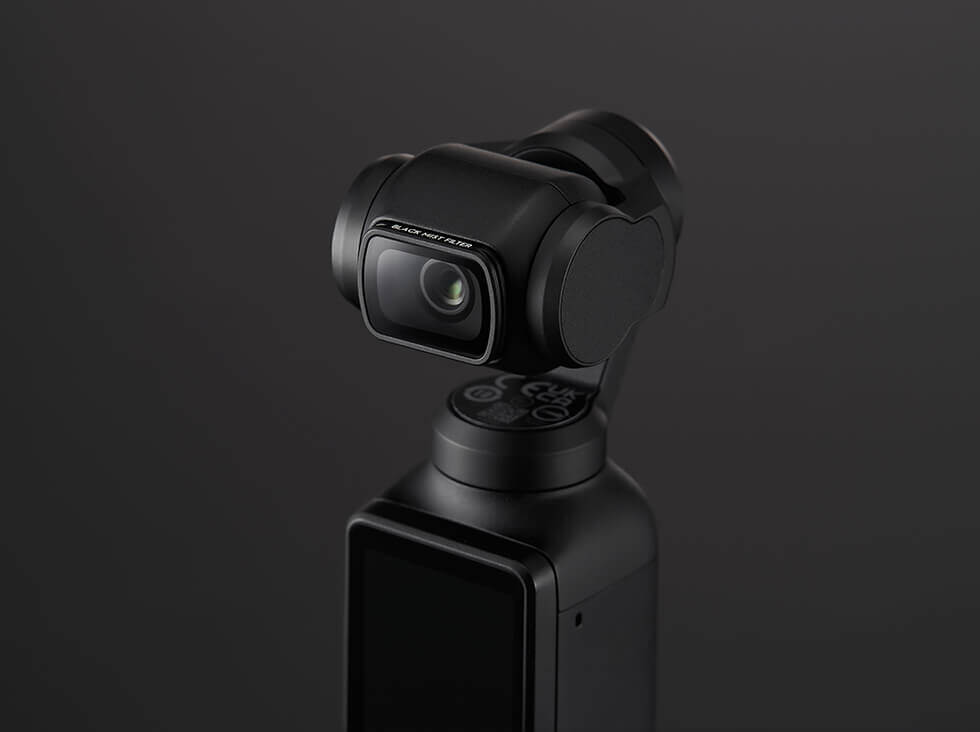
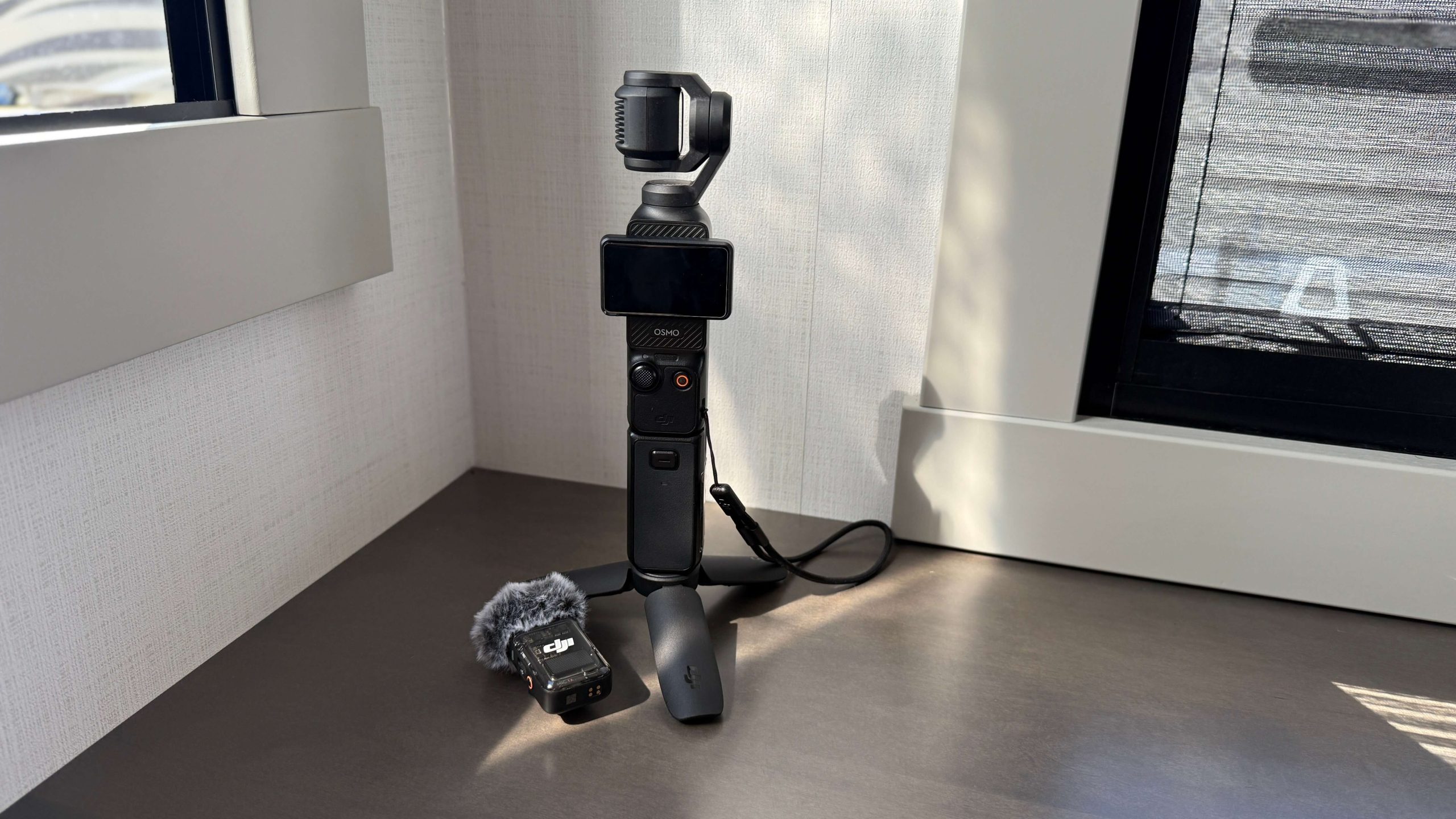
The Pocket 3 lives up to its name; it truly fits in your pocket. I carry it almost everywhere because it’s so small and ready to go at a moment’s notice. Flip the 2-inch rotatable screen and the camera powers on instantly, so there’s no setup fuss.
That alone makes it a reliable grab-and-shoot tool compared to bigger cameras or even gimbals you’d pair with your phone.
The screen rotation also makes switching between horizontal and vertical shooting seamless, a big win if you create content for YouTube and TikTok/Reels. The UI is intuitive: beginners can navigate it without feeling overwhelmed, and pros will appreciate the manual controls, which are tucked just a tap away.
Now, the trade-offs:
- The record button placement means the camera can turn on accidentally when in a bag or pocket, which can drain the battery.
- The included case feels bulky, and if you don’t use it, you’ll risk scratches or unintended power-ups.
- And while it feels solid enough in the hand, this is not a rugged, weather-sealed device. A bit of rain or dust won’t kill it instantly, but you definitely won’t want to treat it like an action cam.
For me, the ergonomics are a joy; I have smaller hands, so it’s comfortable to hold. However, if you have larger hands, you may want to consider adding one of the grip extensions for added stability.
Image Quality & Video Performance
This is where the Pocket 3 earns its keep. DJI has placed a 1-inch CMOS sensor inside this compact body, and the difference is noticeable. Footage looks sharper, colors have more depth, and low-light scenes hold up much better than you’d expect from something this small.
For video creators, the standout specs are:
- 4K/120fps – buttery slow motion with lots of detail.
- 10-bit D-Log M & HLG – flexible color grading or HDR output for high dynamic range.
- Natural complexion tuning – DJI’s built-in color science keeps skin tones flattering right out of the camera.
In practice, that means you can capture everything from a bright beach day to a dimly lit street and still walk away with usable footage.
I’ve shot sunsets, concerts, and even indoor content with minimal lighting, and the Pocket 3 handled it all with ease.
Where it falls short is still photography. The 9MP stills are OK for YouTube thumbnails or quick social posts, but your phone will almost always deliver better photos. The Pocket 3 is very much a video-first camera, and if you buy it expecting DSLR-like photo performance, you’ll be disappointed.
For video, though, it punches way above its size and price point.
Stabilization & Shooting Modes
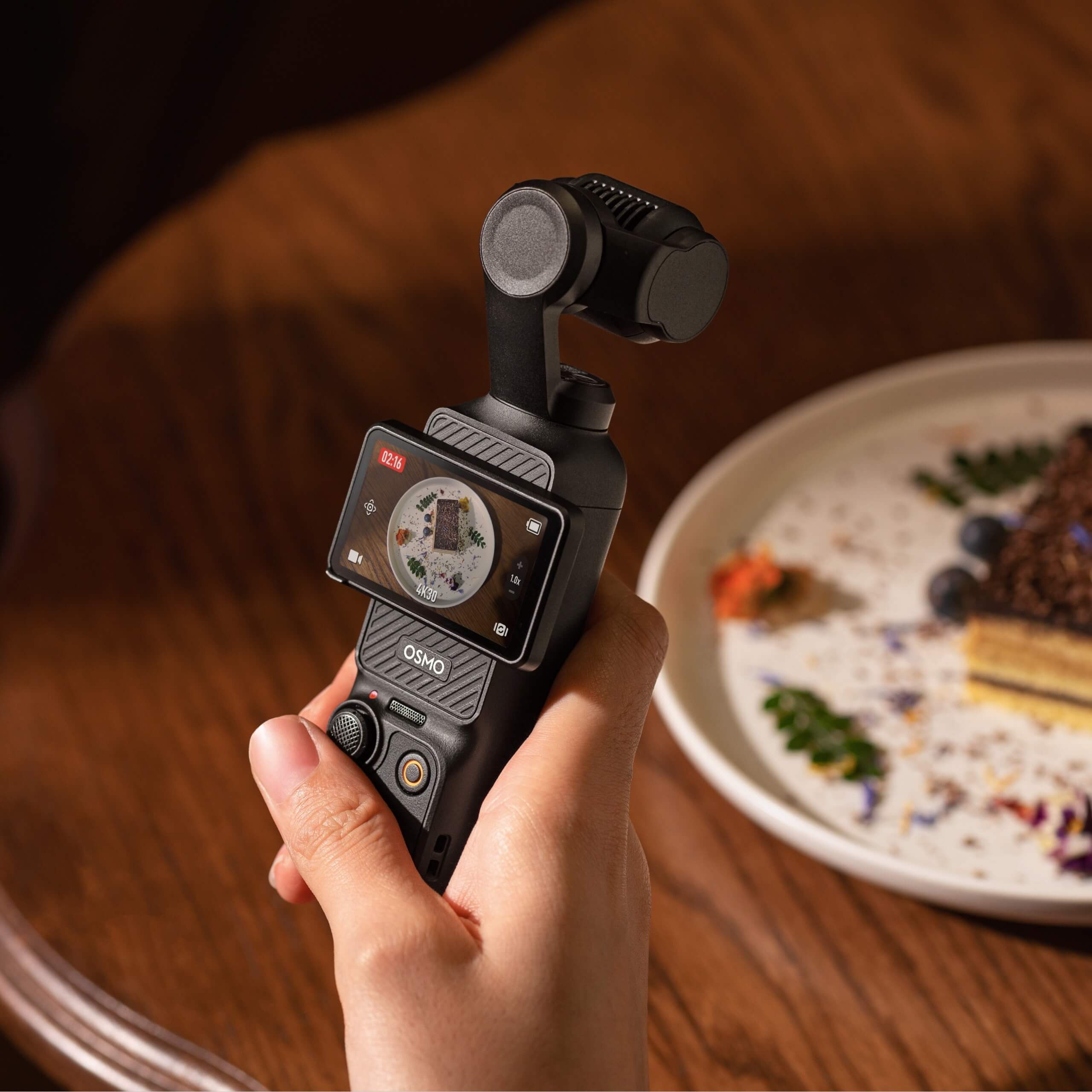
The Pocket 3’s most significant advantage over a phone or standard action cam is its three-axis mechanical gimbal. Instead of relying on digital stabilization (which often crops the image or introduces warping), the Pocket 3 keeps footage physically steady. Even when walking, running, or filming in low light, the results look smooth and cinematic.
ActiveTrack 6.0
This is hands-down my favorite feature. ActiveTrack locks onto a subject and keeps them perfectly framed while you move.
Whether I’m vlogging while walking through a crowded area or setting the Pocket 3 on a tripod to follow me hands-free, it feels like having a personal cameraman. The new Face Auto-Detect and Dynamic Framing modes make it even more brilliant at keeping the subject framed aesthetically.
Shooting Modes That Stand Out
- Motionlapse: Timelapses with movement that make city streets or sunsets look epic.
- SpinShot: Smooth 180° rotations that you can execute with one hand.
- Panorama: Automatically stitches wide scenic shots.
- Product Showcase Mode: Ideal for livestreams or showcasing gear up close, it instantly shifts focus to the foreground.
Where It Stumbles
One thing to note: stabilization struggles in moving vehicles. Because the gimbal reacts to motion, horizons can tilt when the car turns. Action cams like GoPros sometimes do better in that specific scenario. However, for everything else, including walking tours, vlogs, and travel clips, the Pocket 3’s stabilization is unmatched in this size category.
Audio Quality
A good video is worthless without good sound, and this is another area where the Pocket 3 delivers.
Built-In Microphones
The camera comes with a three-mic array that records in stereo. It does a solid job at reducing wind noise and isolating voices, which is impressive for a pocket camera. For quick grab-and-go filming, I often rely on the built-in mics, and the results are perfectly usable for YouTube or social media.
DJI Mic Integration
Where the Pocket 3 really shines is its seamless integration with DJI’s wireless microphones. If you get the Creator Combo, it comes with a DJI Mic 2 that connects instantly, no fiddling, no pairing headaches. You can even run dual-person audio with two transmitters, making interviews or podcasts easy without extra gear.
Backup Recording
Another thoughtful touch: you can set it to record audio from both the external mic and the internal mics simultaneously. This creates a backup track on your SD card, which has already saved me more than once when a wireless mic died mid-shoot.
The Verdict on Sound
For casual creators, the built-in mics are more than enough. For anyone serious about vlogging, livestreaming, or interviews, pairing the Pocket 3 with DJI’s wireless mic system makes it a complete, all-in-one audio-video solution.
Battery Life & Reliability
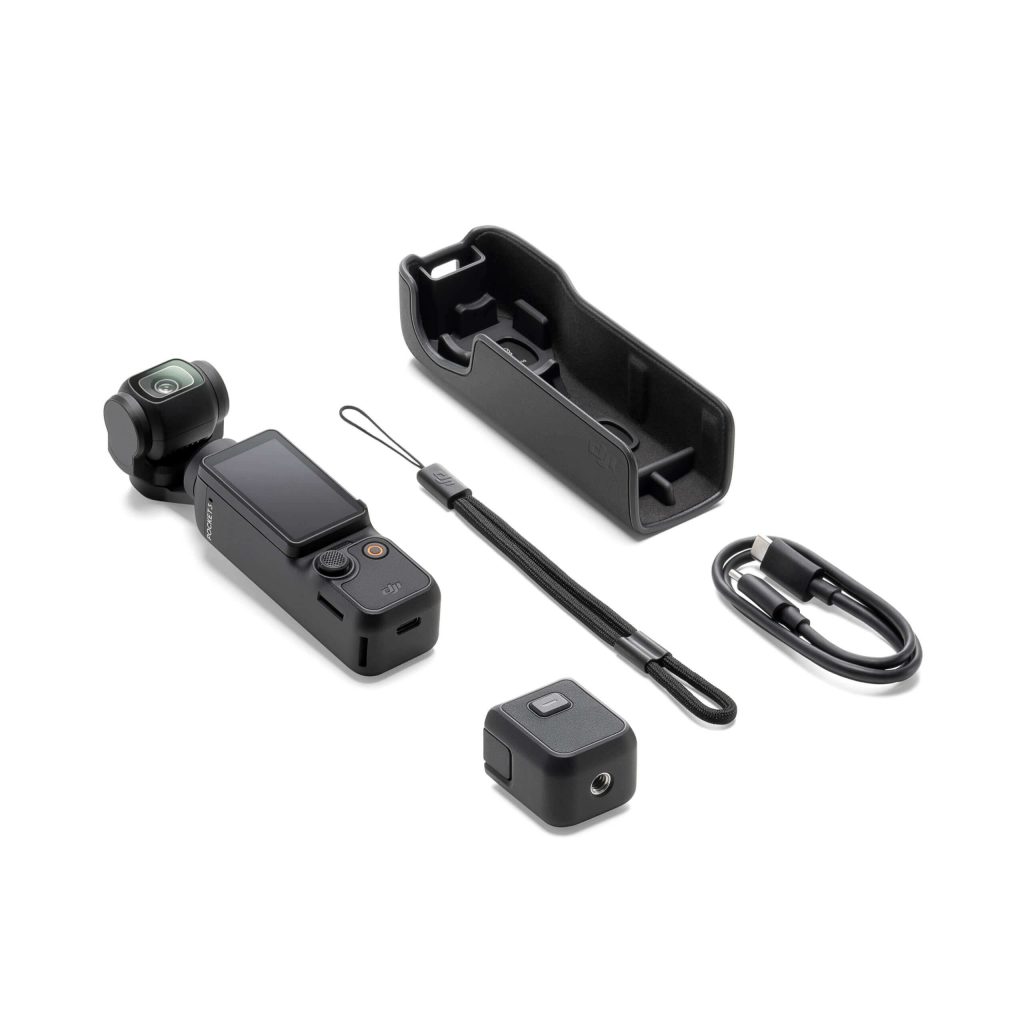
The Pocket 3 is small, but its battery performance is anything but.
Battery Life
On a full charge, I typically get 2–2.5 hours of recording time, depending on the settings. Shooting at 4K/60fps drains it faster than 1080p/24fps, but even at higher settings, it comfortably lasts through a day of mixed shooting.
The real magic is fast charging:
- Recharge in just 15–20 minutes for an 80% charge.
- Full charge in under an hour.
I can plug it in while grabbing a coffee, and by the time I’m done, it’s ready for another round of filming.
Durability
Over nearly a year of travel and daily use, mine has taken more bumps than I’d like to admit, rain, dust, accidental drops, and it still runs fine. That said, it’s not weather-sealed. Heavy rain, beach sand, or harsh environments can easily cause problems, so you’ll need to be cautious if you plan to use it outdoors frequently.
Reliability
The camera has been remarkably reliable overall, with only minor hiccups:
- Occasionally, the gimbal can “stick” when powering on or off (resolved with a gentle nudge).
- I’ve had it turn on accidentally in my bag a few times, which has drained the battery.
- Firmware updates from DJI have fixed minor bugs and added features, which is reassuring.
The Bottom Line on Battery & Reliability
If you’re expecting an action camera you can dunk in the ocean, this isn’t it. But for day-to-day filming, vlogging, and travel use, the Pocket 3 holds up well and charges fast enough to keep pace with any creator’s schedule.
Everyday Use Cases
One of the reasons I keep reaching for the Pocket 3 is its flexibility. It’s not just a “vlogging camera”, it adapts to a ton of different scenarios.
Vlogging & Travel
This is the Pocket 3’s sweet spot. Stabilized footage, clear audio, and a discreet size make it perfect for filming in public without drawing attention. I’ve used it everywhere from busy streets to quiet trails, and it never feels awkward to pull out.
YouTube & Content Creation
If you’re a solo creator, the ActiveTrack 6.0 feature makes it almost like having a camera operator on set. You can set it on a tripod, walk around, and stay perfectly in frame. It’s also a lifesaver for unboxing videos, tutorials, or any other situation where you need the camera to focus on both you and the product.
Vertical Content (TikTok, Reels, Shorts)
Flip the screen vertically, and it instantly switches to portrait mode, without the need for adapters or extra setup. For creators producing content across platforms, this saves time and makes it easy to repurpose clips.
Livestreams & Meetings
The Pocket 3 doubles as a webcam and supports livestreaming. The audio/video quality is a significant upgrade over a laptop webcam, and setup is straightforward.
Casual Use
Even if you’re not a content creator, the Pocket 3 works well as a “memory keeper.” It’s great for family trips, events, or just documenting your day without needing bulky gear.
Where It Falls Short
If your primary focus is photography, this isn’t the best choice. Phones and traditional cameras still win for still images. The Pocket 3 shines when you’re shooting video.
Downsides / Annoyances
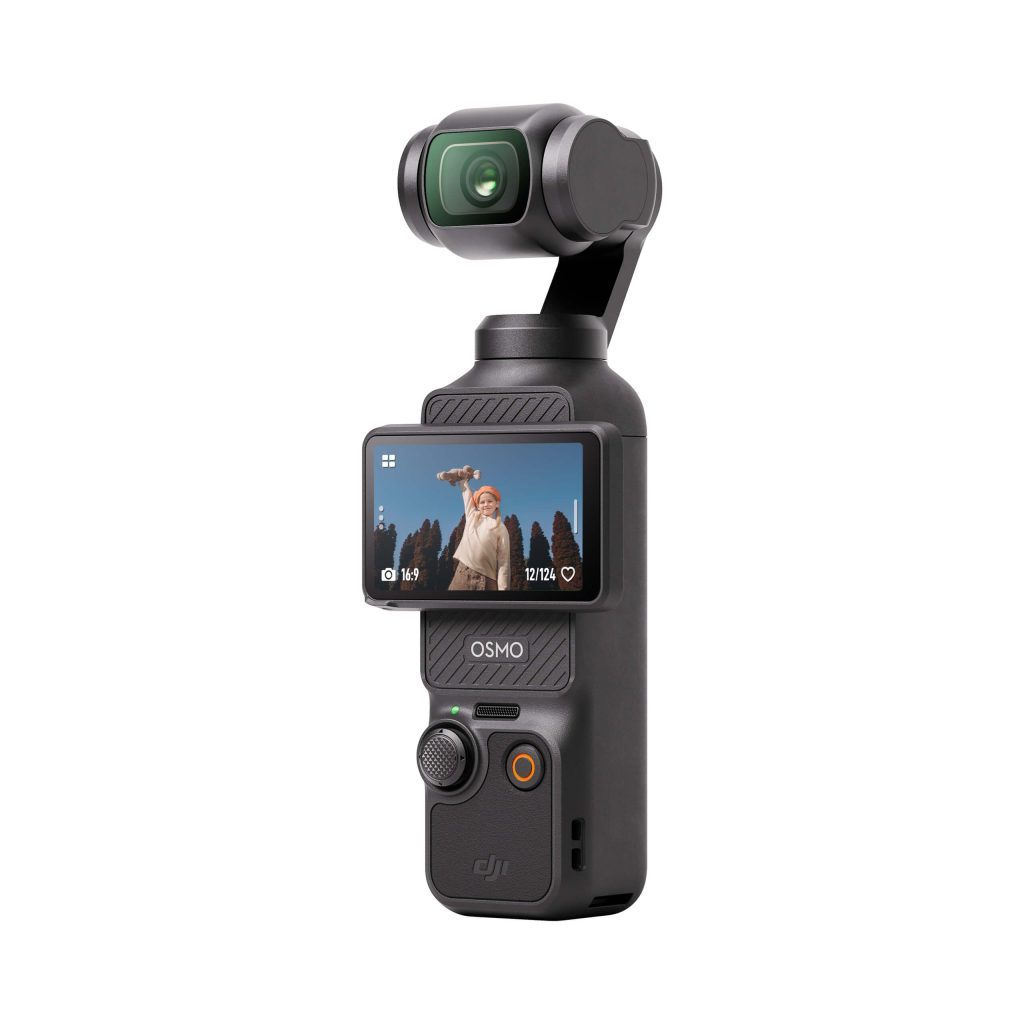
As much as I love the Pocket 3, it’s not flawless. Here are the pain points I’ve run into after nearly a year of use:
1. Price vs. Use Case
At its current price, the Pocket 3 can feel like overkill for casual users. If you only film occasionally or mostly take photos, your smartphone will cover your needs without the need for extra money.
2. No Weather Sealing
This is my biggest gripe. The Pocket 3 isn’t designed for use in rain, dust, or harsh conditions. Even the microSD card slot is exposed, which makes me think twice before filming outdoors in unpredictable weather.
3. Small Screen Limitations
The 2-inch screen is an improvement over older models, but it’s still small. Exposure and focus adjustments can be challenging to judge in real-time, especially in bright sunlight.
4. Accidental Power-On
The record button can also turn the camera on, which has led to it draining in my bag more than once. It’s not a dealbreaker, but it’s frustrating.
5. Photography Is Weak
Yes, it can take RAW stills, but let’s be honest, this is not a camera designed for photography, although it can produce comparable photos to most newer cell phones. For proper photography, even mid-range smartphones do a better job.
6. Accessories & Carrying Case
The included soft case is awkward, and while you can technically fit everything inside, it feels like a game of Tetris. Accessories are helpful, but they add up in cost quickly.
Who Should Buy the Pocket 3 in 2025/2026
The DJI Osmo Pocket 3 isn’t for everyone, and that’s precisely why I titled this review “Not Worth the Money.” For the wrong user, it will sit in a drawer while your phone does all the work. But for the right user, it’s a game-changer.
Skip It If…
- You mostly take photos (your phone will do a better job).
- You only film occasionally and don’t need stabilized video.
- You need something weather-sealed for rugged adventures.
- You’re on a tight budget and can’t justify the extra accessories.
It’s Absolutely Worth It If…
- You’re a YouTuber, vlogger, or content creator who films regularly.
- You want smooth, stabilized footage without carrying bulky gear.
- You create vertical content (TikTok, Reels, Shorts) as well as long-form.
- You often film solo and would benefit from ActiveTrack 6.0, acting like a personal cameraman.
- You want pro-level color options (D-Log M / HLG) in a pocketable form.
- You value seamless audio integration without the hassle of multiple devices.
For these use cases, the Pocket 3 doesn’t just justify its price; it becomes the most reliable tool in your kit.
Documenting your journey is a fun way to start your own rv lifestyle blog while traveling.
Conclusion
So, is the DJI Osmo Pocket 3 worth the money?
For casual users, probably not. If you only shoot a handful of clips each year or care more about photos than video, your smartphone already does the job. Add in the Pocket 3’s lack of weather sealing and the extra cost of accessories, and it’s easy to see why some people walk away disappointed.
But for creators, vloggers, and travelers, the Pocket 3 is one of the smartest investments you can make. The combination of stabilized 4K video, quick startup, clean audio, and pocket-size convenience makes it a camera I still reach for more often than my phone, nearly a year in.
Heading into 2026, I expect this little camera to stay in my bag, not because it’s perfect, but because it’s practical. It’s the tool that lets me capture cinematic-looking moments effortlessly, without fuss, and without second-guessing.
FAQ: DJI Osmo Pocket 3 Review in 2025/2026
Is the DJI Pocket 3 good for beginners?
Yes. The menus are intuitive and straightforward, so anyone can pick them up and start filming right away. At the same time, it has pro-level options for when you’re ready to grow.
Can the Pocket 3 replace my smartphone camera?
Not entirely. Phones are better for photos, but the Pocket 3 outshines them for smooth, stabilized video with better audio options.
Does it work well for vertical content?
Yes. Rotate the screen and it instantly switches to portrait mode, perfect for TikTok, Reels, and Shorts.
How long does the battery last?
Expect around 2 hours of recording time, depending on resolution and frame rate. The bonus is how fast it charges, 80% in about 15–20 minutes.
Is the DJI Osmo Pocket 3 durable?
It holds up well for travel and daily use, but it’s not weather-sealed. You’ll need to be cautious in rainy, dusty, or extreme environments.
Is the DJI Osmo Pocket 3 still worth it in 2025 heading into 2026?
If you’re a content creator, traveler, or vlogger who films regularly, absolutely. If you only shoot casually or care more about photos, you’re better off sticking with your smartphone.
How We Review: At Time to RV, we only recommend products and places we have personally used or visited. Our reviews are based on real-life testing during our full-time travels. We never accept payment for a positive review; our goal is to give you the honest truth so you can hit the road with confidence.