Key Takeaways
- RVs depreciate rapidly, especially in the first few years, due to their mobile nature, evolving features, and the fact that the first owner absorbs the steepest depreciation.
- Maintenance significantly impacts an RV's value; consistent upkeep, including roof sealing and appliance maintenance, can slow depreciation and signal to potential buyers that the RV was well cared for.
- Financing an RV requires careful consideration to avoid being 'upside down' due to rapid depreciation; down payments and shorter loan terms can help mitigate this risk.
What First-Time Buyers Need to Know Before You Buy
When we were shopping for our first RV, depreciation, especially rv depreciation, wasn’t something we fully understood, and honestly, it’s not something most people explain very well. Understanding rv depreciation is crucial for anyone considering RV ownership.
Dealers talk about monthly payments. YouTube talks floorplans. Instagram talks aesthetics.
Very few people talk about what happens after you’ve owned an RV for a year… or three… or when you realize the rig you bought isn’t actually the right fit, and you want to sell.
As a full-time RV family, depreciation and ownership costs aren’t abstract concepts for us. They show up in real decisions:
What we finance.
What we upgrade.
What we maintain.
And what we’d do differently if we were buying again.
This article is written for people who are actively shopping for an RV, especially first-time buyers, and want a clearer picture of how RV ownership actually works beyond the excitement of the purchase.
Not to scare you away.
Not to overcomplicate it.
But to help you buy with your eyes open.
Because RVs are incredible lifestyle tools, but they’re also depreciating assets. And understanding that balance early can save you a lot of stress later.
Table of Contents
Why RVs Lose Value Faster Than Most People Expect
One of the biggest surprises for first-time RV buyers is just how quickly RVs depreciate, especially compared to things like homes or even some vehicles.
And it’s not because RVs are “bad purchases.”
It’s because RVs are complex, mobile living spaces that age the moment you start using them.
When you buy a brand-new RV, the largest drop in value typically happens in the first few years. In many cases, that value drop starts the second you drive off the lot.
That doesn’t mean you made a mistake; it just means depreciation is part of RV ownership, whether you’re weekend camping or living in it full-time.
Understanding rv depreciation is crucial for anyone considering RV ownership, as it affects your decisions on purchase and maintenance.
From our experience, there are a few key reasons this happens so fast.
RVs Are Built to Be Used, Not Preserved
RVs aren’t like houses that sit on foundations. They move, flex, and travel through heat, cold, rain, wind, and rough roads.
Even when you take great care of an RV, things naturally wear:
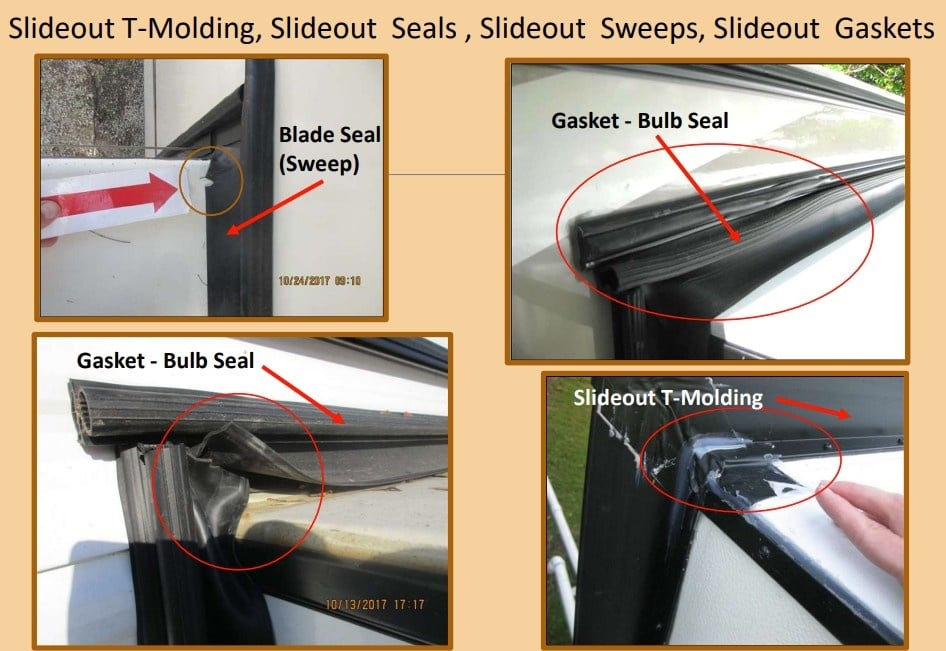
- Seals age
- Roofs need resealing
- Slides get used
- Appliances cycle on and off constantly
All of that affects resale value over time, even if nothing is “wrong.”
New Models Change Quickly
RV manufacturers update floorplans, layouts, finishes, and features almost every year.
What feels modern and high-end today can feel dated surprisingly fast, not because it stopped working, but because buyers compare it to what’s new on dealer lots.
That comparison alone can push values down, even for well-maintained rigs.
The First Owner Absorbs the Biggest Hit
This is the part many buyers don’t fully realize until later.
The first owner almost always absorbs the steepest depreciation. Once an RV becomes “used,” its value resets closer to what the market is actually willing to pay, not what it cost new.
That doesn’t mean buying new is wrong. But it does mean you’re paying a premium to be the first owner, and that premium shows up as depreciation rather than resale value.
RV Loans Can Outpace Value
Another reason depreciation feels so harsh is financing.
RV loans often stretch 10, 15, or even 20 years. Meanwhile, the RV’s value declines most rapidly in the early years. If the loan isn’t structured carefully, it’s very easy to owe more than the RV is worth, especially if you decide to sell sooner than planned.
We’ve seen this catch people off guard more than almost anything else.
Bigger and More Complex Usually Means Faster Depreciation
In general, the larger and more complex the RV, the more variables affect its value.
Motorhomes, especially large Class A rigs, have engines, drivetrains, generators, slides, leveling systems, and residential-style components all aging at once.
That doesn’t make them bad; it just means there’s more for buyers to evaluate when it’s time to resell.
Smaller, simpler RVs tend to hold value more consistently because there’s less to maintain and fewer unknowns for the next owner.
Why This Matters Before You Buy
Understanding why RVs depreciate quickly doesn’t mean you shouldn’t buy one.
It means:
- You can choose the right RV type for your plans
- You can structure financing more safely
- You can avoid overpaying for features that won’t matter later
And most importantly, you can buy an RV that fits how you actually plan to use it, not just how it looks on day one.
What Helps Slow RV Depreciation (What We’ve Learned From Living in One)
You can’t stop RV depreciation entirely, and honestly, you shouldn’t expect to. RVs are meant to be used, not protected like museum pieces.
That said, there are choices you can make as an owner that noticeably affect how well an RV holds its value over time. We’ve seen this firsthand, both in our own ownership and watching others buy, sell, and upgrade rigs around us.
Here’s what actually makes a difference.
Build Quality Matters More Than Most Features
Build quality protects your money.
RVs that are built with better materials, tighter tolerances, and stronger components simply age better. That doesn’t mean luxury finishes; it means things like solid cabinetry, well-installed slides, quality roofing materials, and thoughtful construction.
When it comes time to sell, buyers can feel the difference between an RV built well and one built to hit a price point.
And that difference shows up in resale value.
Maintenance Is the Biggest Value Lever You Control
If there’s one thing that truly slows depreciation, it’s maintenance.
Not just fixing things when they break, but staying ahead of them.
Things like:
- Keeping the roof sealed and inspected
- Addressing small leaks immediately
- Maintaining appliances and mechanical systems
- Keeping detailed service records
An RV with consistent maintenance tells the next owner a story: this rig was cared for.
That alone can separate your RV from dozens of others on the market when you go to sell.
Storage and Protection Add Up Over Time
Sun, moisture, and temperature swings quietly destroy RVs.
Even if everything “works,” UV damage, dried seals, faded finishes, and brittle plastics reduce value. RVs that are stored under cover, in shade, or properly protected simply age more slowly.
You don’t need a climate-controlled building to make a difference, but protecting your RV when it’s not in use goes a long way toward it.
Avoid Over-Customizing
This one surprises people.
Personal upgrades can make an RV feel perfect for you, but they don’t always translate to value for the next buyer.
Highly specific modifications, unusual décor choices, or the removal of factory features can actually limit your resale market. Buyers often want something neutral that they can make their own.
Functional upgrades like suspension improvements, quality tires, or solar systems can help, but extreme personalization often does the opposite.
Keep up with the latest rv news to see how market values are shifting.
Mileage and Usage Still Matter
For motorized RVs, mileage and engine hours significantly affect resale value.
For towables, wear and tear are still evident, especially if an RV has been used full-time without regular upkeep.
Using your RV isn’t the problem.
Neglecting it while using it is.
Well-documented, responsibly used RVs consistently hold value better than rigs that were either overused without care or left sitting unused for long stretches.
Buying With the Exit in Mind
One of the most underrated ways to protect resale value is thinking about it before you buy.
Ask yourself:
- Is this layout appealing to a wide range of buyers?
- Is this a size that’s easy to tow, store, or insure?
- Is this brand known for quality or just features?
You don’t have to buy for resale, but understanding resale keeps you from buying something that becomes hard to move later.
The Big Takeaway
Depreciation isn’t just about age.
It’s about condition, care, and decisions.
Two RVs of the same year and model can be worth very different amounts depending on how they were treated. Living in an RV doesn’t automatically destroy value; poor maintenance does.
When you own with intention, depreciation becomes manageable instead of stressful.
Financing an RV Without Being Completely Upside Down
This is where a lot of RV buyers get into trouble, not because they chose the “wrong” RV, but because they financed it in a way that didn’t match how RVs actually depreciate.
We’ve seen it happen over and over again: someone buys an RV they love, finances it comfortably, and then a year or two later realizes they want something different. That’s when financing and depreciation collide.
Monthly Payments Can Be Misleading
RV loans are often structured to look affordable on paper.
Long loan terms, sometimes 15 or even 20 years, can make almost any RV seem doable. But depreciation doesn’t slow down just because your payment is low.
In the early years, RVs depreciate much faster than loan balances decline. If you’re not careful, you can end up owing significantly more than the RV is worth, even after making payments on time.
Down Payments Matter More With RVs
With RVs, a down payment isn’t just about lowering your monthly payment. It’s about protecting yourself from depreciation.
Putting more down upfront helps:
- Reduce the chance of negative equity
- Shorten the time you’re upside down
- Give you flexibility if plans change
Even a modest down payment can make a noticeable difference compared to financing the entire purchase price.
Long Loan Terms Increase Risk
Longer loan terms aren’t automatically bad, but they increase risk if your ownership timeline changes.
If you plan to keep an RV for many years, a longer term may be manageable. But if there’s any chance you’ll sell, trade, or upgrade sooner than expected, long terms make that transition harder.
The longer the loan, the longer it takes for the loan balance to catch up to real-world market value.
Financing Add-Ons Can Work Against You
Extended warranties, service packages, accessories, and dealer add-ons are often rolled into RV loans. While convenient, these items don’t add much, if any, resale value.
When you finance extras, you’re increasing the loan balance without increasing the RV’s value later. That gap shows up quickly if you decide to sell.
Planning for the “What If”
One of the best things you can do when financing an RV is ask a simple question:
What if we want to sell this sooner than we think?
You don’t need to expect it, but planning for it keeps you flexible. Financing with realistic expectations helps you enjoy the RV without feeling financially stuck if your needs change.
Why This Matters More Than People Realize
RVs are lifestyle decisions, and lifestyles change.
Family size changes. Travel styles change. Some people go full-time and then decide to slow down. Others start small and realize they want more space.
Smart financing gives you options. Poor financing limits them.
RV Depreciation by Type: What Holds Value Better Over Time
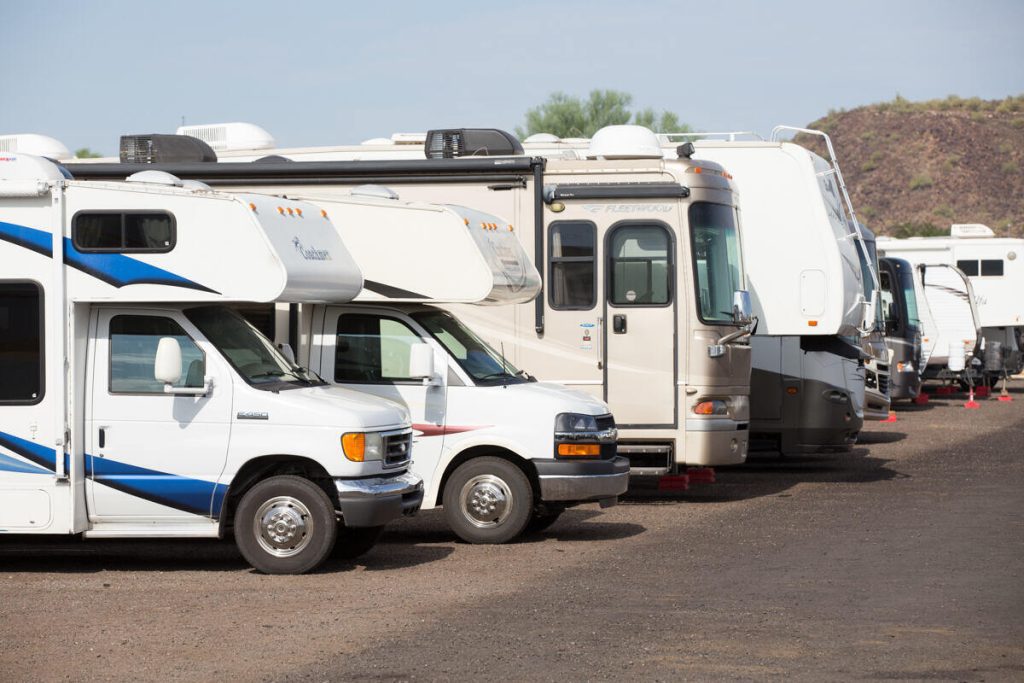
Not all RVs depreciate the same way. The type of RV you choose plays a big role in how quickly the value drops and how easy it is to sell later.
Class A Diesel Pushers
Diesel pushers generally hold value better than gas Class A motorhomes. They’re built on heavier-duty chassis, designed for higher mileage, and tend to attract buyers looking for long-term use. Higher upfront cost, but stronger resale when well maintained.
Class A Gas (Front Engine)
Gas Class A motorhomes are more affordable upfront, but typically depreciate faster. They appeal to a broad market, which helps resale, but buyers are often more price-sensitive.
Dual Rear Axle vs Single Rear Axle
Dual-rear-axle coaches usually sit in the higher-end category. They’re more stable, carry more weight, and tend to hold value better. Single-rear-axle models are easier to maneuver but often depreciate faster due to their lighter-duty construction.
Fifth Wheels
Fifth wheels offer a strong balance of price, space, and resale. They tend to depreciate more slowly than travel trailers and appeal to both full-time and extended-stay buyers.
Fifth Wheel Toy Haulers
Toy hauler depreciation depends heavily on layout and condition. Flexible garage spaces hold value better. Units that show heavy wear in the garage can depreciate faster.
Travel Trailers
Travel trailers have the lowest cost of entry but generally depreciate faster. The upside is strong buyer demand, which helps resale if the trailer is well-maintained and priced appropriately.
Class B Camper Vans
Class B vans often hold the best value. Demand is strong, supply is limited, and their smaller size appeals to a wide audience. Higher purchase price, but typically slower depreciation.
Quick Takeaway
Smaller, simpler RVs usually hold value better. Larger, more complex rigs depreciate faster, especially if they’re expensive to maintain or hard to store.
Is Buying Used a Better Option?
For many RV buyers, buying used simply makes more financial sense.
The biggest reason is depreciation. New RVs lose the most value in the first few years. When you buy used, someone else has already absorbed that initial drop, and you’re purchasing the RV closer to its true market value.
From an ownership perspective, used RVs also come with fewer surprises than people expect. Most factory issues show up early. By the time an RV is a few years old, those issues have usually been identified and fixed, especially if the previous owner maintained it well.
That said, buying used does require more diligence. You need to:
- Inspect for water damage
- Verify maintenance history
- Budget for some repairs or upgrades
Used isn’t about buying “cheap.” It’s about buying smart.
A well-maintained used RV can offer better long-term value, more flexibility if you decide to sell, and less financial pressure if your plans change.
Does Maintenance on a Used RV Offset Buying New?

This is the question most buyers get stuck on.
New RVs come with warranties and fewer immediate repairs, but they also come with the steepest depreciation. Used RVs cost less upfront and depreciate more slowly, but maintenance becomes your responsibility.
In practice, routine maintenance on a used RV is often far less expensive than the value lost on a new RV in the first few years.
Things like tires, batteries, roof sealing, and minor appliance repairs are normal ownership costs, not signs of a bad RV. When those costs are planned for, they’re usually manageable and predictable.
Where used RVs become expensive is when maintenance is ignored.
Water damage, neglected roofs, or poorly repaired systems can quickly erase any savings from buying used. That’s why inspections and maintenance records matter.
For many owners, the math works out like this:
- New RV: higher purchase price, less early maintenance, larger depreciation hit
- Used RV: lower purchase price, some maintenance costs, slower depreciation
Neither option is right for everyone. The better choice depends on your comfort level with maintenance and how long you plan to own the RV.
Final Thoughts: Buying an RV With the Right Expectations
RV ownership is less about finding the “perfect” rig and more about understanding what you’re actually buying.
RVs depreciate.
Plans change.
Needs evolve.
None of that means you made a bad decision.
When you understand how depreciation works, finance responsibly, and maintain your RV with intention, ownership becomes flexible instead of stressful. You can enjoy the lifestyle without feeling trapped by the purchase.
Whether you buy new or used, the goal is the same:
Choose an RV that fits how you plan to use it now, while keeping future options open.
From our experience living full-time, the RVs that feel like good decisions long-term aren’t always the biggest or the most expensive; they’re the ones bought with clear expectations and realistic planning.
If you go into RV ownership with that mindset, depreciation becomes part of the journey, not a regret.

Lauren Gamble is a wife, mother, and seasoned entrepreneur with a background in digital, affiliate marketing, and content creation. She and her husband run multiple remote businesses that give their family the freedom to live and travel full-time in their RV. As a homeschooling mom, Lauren is passionate about creating a life rich in experiences and connection. Through Time to RV, she shares her family’s journey, along with practical insights, travel tips, and resources to help others explore the road less traveled, without sacrificing stability or success. Lauren and her family have been full-time RVing since November 2024.
How We Review: At Time to RV, we only recommend products and places we have personally used or visited. Our reviews are based on real-life testing during our full-time travels. We never accept payment for a positive review; our goal is to give you the honest truth so you can hit the road with confidence.